

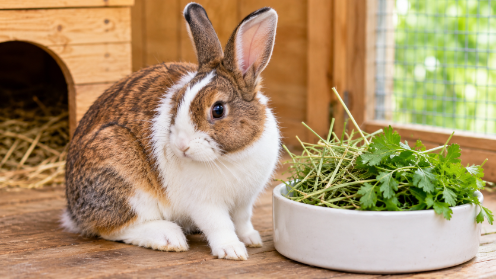
If you are asking yourself why is my rabbit not eating, treat the situation seriously right away. A rabbit that stops eating for more than 12 hours faces a genuine medical emergency. Unlike dogs or cats, rabbits cannot safely skip meals for a day or two. Their digestive system must move food continuously to keep gut bacteria balanced, prevent painful gas buildup, and protect the liver from rapid fat accumulation.
Whether you keep a single house rabbit in Accra, a breeding colony in Kumasi, or pet rabbits in the UK, a sudden loss of appetite (anorexia) is almost always a symptom of pain, digestive slowdown, infection, or environmental stress. This guide explains the most frequent medical and management causes behind a rabbit refusing food, the warning signs that separate a mild pause from an emergency, what you can safely check at home, and exactly what to do while getting veterinary help.
Why a Rabbit Stopping Eating Is an Emergency
Rabbits are hindgut fermenters designed to graze on fibrous vegetation almost constantly throughout the day and night. Their stomach never completely empties under normal conditions, and their caecum (a large fermentation pouch in the lower digestive tract) depends on a steady supply of indigestible fibre to push contents forward. Without fresh fibre moving through the gut, peristalsis slows down and eventually stops.
When digestion stalls, three dangerous events happen quickly:
- Dehydration of stomach contents: The digestive tract draws moisture out of the stalled food and fur mass, turning it into a dry, doughy impaction that is even harder to pass.
- Bacterial imbalance and gas production: As gut movement slows, the pH inside the caecum shifts. Beneficial fibre-digesting microbes die off while gas-producing and toxin-producing bacteria (such as Clostridium species) multiply. Trapped gas stretches the intestinal walls, causing intense abdominal pain that makes the rabbit even less willing to eat.
- Hepatic lipidosis (fatty liver disease): When a rabbit goes without calories, the body mobilises fat reserves rapidly and sends them to the liver. A rabbit’s liver cannot process heavy fat loads efficiently, leading to liver failure within 24 to 48 hours, especially in overweight rabbits.
Because these processes feed into one another, waiting two days to see if appetite returns often turns a treatable problem into a fatal crisis. Checking your rabbit’s normal appetite and faecal output daily using our guide on checking the signs of a healthy rabbit at home helps you spot appetite drops within hours rather than days.
What Happens Hour by Hour When a Rabbit Stops Eating
Understanding how fast a rabbit’s condition changes helps you decide when to observe and when to call a veterinarian immediately.
| Time Without Eating | What Is Happening Inside the Rabbit | Typical Signs You May See | Recommended Action |
|---|---|---|---|
| 0 to 6 hours | Early discomfort, mild stress, dental soreness, or initial slowing of gut motility | Ignoring pellets or hay, sitting quietly, still alert when approached, normal or slightly smaller droppings | Offer fresh favourite herbs or clean wilted grass, check water supply, check room temperature, and inspect droppings closely |
| 6 to 12 hours | Gut motility drops noticeably; gas begins building in the stomach or caecum | Refusing all food including treats, smaller or fewer faecal pellets, hunched posture, reluctance to move | Contact a veterinarian promptly for a same-day assessment; prepare a carrier and note all recent foods and droppings |
| 12 to 24 hours | Active gastrointestinal stasis; dehydration, severe abdominal pain, and early bacterial imbalance | Zero droppings or tiny dark misshapen pellets, loud tooth grinding, tight belly, cold ears, hiding in a corner | Treat as an immediate medical emergency; seek urgent veterinary care for fluids, pain relief, and diagnosis |
| Over 24 hours | High risk of toxic shock, severe bloating, hypothermia, and hepatic lipidosis | Limp posture, unresponsive eyes, laboured breathing, very low body temperature, collapse | Emergency veterinary intervention is critical; survival odds drop sharply without prompt clinical stabilisation |
10 Common Reasons Your Rabbit Is Not Eating
Appetite loss is a warning signal rather than a single disease. To fix the problem properly, you and your veterinarian need to identify the underlying trigger. Below are the ten most frequent causes seen in pet and farmed rabbits.
1. Gastrointestinal Stasis (GI Stasis)
GI stasis is both a cause and a consequence of refusing food. A rabbit eating too few fibrous stems and too many pellets, bread, or sugary fruits develops a sluggish gut. Once gas builds up, abdominal cramps stop the rabbit from eating altogether. Hair swallowed during heavy moulting seasons can also mix with stalled food when fibre and water intake are too low, worsening the slowdown.
2. Dental Disease and Molar Spurs
A rabbit’s incisors and back cheek teeth grow continuously throughout life. If the teeth do not wear down evenly through daily chewing of tough hay or grass, sharp points called molar spurs form on the edges of the back teeth. These spurs slice directly into the tongue or the inside of the cheeks every time the rabbit tries to chew. A rabbit with dental pain often runs over to the food bowl looking hungry, sniffs the food, picks up a piece, and then drops it immediately. You may also notice a wet, matted chin from drooling or watery eyes caused by overgrown tooth roots pressing on the tear ducts.
3. Gastrointestinal Obstruction (True Blockage)
Although true physical blockages are less common than GI stasis, they are even more urgent. A rabbit can swallow pieces of carpet fibre, plastic bags, rubber mats, dried beans, or dense mats of fur that plug the narrow exit of the stomach or the upper small intestine. Unlike gradual GI stasis, a rabbit with a blockage deteriorates very rapidly, develops a hard, distended stomach, becomes severely depressed, and may collapse within hours. Never force-feed a rabbit suspected of having a blockage, because adding liquid to an obstructed stomach can cause a fatal rupture.
4. Sudden Dietary Changes or Spoiled Feed
The microbes inside a rabbit’s caecum adapt to the specific foods the rabbit eats daily. Switching pellet brands overnight, feeding a large pile of unfamiliar leafy greens, or giving wet, freshly cut grass that ferments in a warm pile can disrupt gut bacteria within hours. Mouldy hay, damp commercial pellets stored on a humid floor, or grasses sprayed with roadside herbicides also cause acute stomach upset and immediate refusal of food.
5. Dehydration or a Faulty Water Source
A rabbit that cannot drink will stop eating very quickly, because dry hay and pellets require large amounts of water for digestion. Check the water supply first whenever a rabbit goes off its food. Metal ball-bearing sipper bottles jam frequently, algae can clog nipple drinkers on farms, and rabbits sometimes tip over lightweight plastic bowls. In hot weather, warm or dirty water also discourages drinking.
6. Heat Stress and Poor Ventilation
Rabbits tolerate cool weather far better than heat. Once ambient temperatures rise above 28°C to 30°C, rabbits cut back on eating because digesting food generates extra internal body heat. During hot afternoons, a rabbit sitting in an unshaded hutch or stuffy room may refuse all daytime meals, breathe rapidly with stretched-out limbs, and feel very hot along the ears. If heat is affecting your rabbitry, follow our practical guide on how to keep rabbits cool in hot weather.
7. Pain From Injury or Another Illness
Any source of physical pain can switch off a rabbit’s appetite immediately. Common hidden sources include urinary tract infections, bladder sludge or stones, ear infections, painful sore hocks on wire flooring, spinal injuries from improper handling, or internal abscesses. Rabbits also stop eating when dealing with respiratory infections (snuffles), coccidiosis, or viral outbreaks. You can review the symptoms of these underlying conditions in our complete guide to common rabbit diseases, symptoms, and prevention.
8. Severe Stress or Environmental Disruption
As prey animals, rabbits react strongly to perceived danger. A barking dog near the hutch, a rat entering the rabbitry at night, rough handling, moving to a new cage, loud construction noise, or losing a bonded companion can trigger a surge of adrenaline. High adrenaline directly slows down gut contractions and suppresses hunger.
9. Post-Surgical or Post-Kindling Discomfort
A doe that has just given birth (kindled) may eat very little for a few hours while resting, though she should return to eating hay and drinking water within 6 to 12 hours. If a doe refuses food for longer after kindling, check for retained kits, uterine infection (metritis), or mastitis (swollen, hot, painful mammary glands). Similarly, rabbits recovering from spaying, neutering, or dental surgery need proper veterinary pain relief to resume eating quickly.
10. Parasites and Chronic Wasting Conditions
Heavy infestations of intestinal coccidia (Eimeria species) in young rabbits aged 4 to 12 weeks damage the gut lining, causing watery diarrhoea, dehydration, and complete loss of appetite. Chronic liver coccidiosis or internal parasites can also cause a gradual decline in eating paired with a dull coat and visible rib bones. If your rabbit has been eating less over several weeks rather than stopping suddenly, read our guide on why rabbits lose weight and when to seek veterinary care.
Quick Diagnostic Guide: Matching Symptoms to Likely Causes
While only a qualified veterinarian can confirm an exact diagnosis, observing accompanying symptoms helps you describe the problem accurately on the phone and understand how urgent the situation is.
| Additional Symptoms Observed | Most Likely Underlying Causes | Immediate Priority |
|---|---|---|
| Tiny, dry, or absent droppings; hunched posture; loud tooth grinding | GI stasis, gas buildup, or intestinal obstruction | Emergency veterinary visit (within 12 hours or sooner) |
| Drooling, wet chin, dropping pellets, eating only soft greens, watery eyes | Molar spurs, overgrown incisors, or jaw abscess | Same-day veterinary dental examination |
| Watery, mucus-coated, or bloody diarrhoea (especially in young kits) | Intestinal coccidiosis, enterotoxaemia, or spoiled feed | Immediate emergency veterinary care |
| Rapid breathing, hot red ears, splayed out on the floor, high room heat | Heat stress or early heatstroke | Cool gently in shade immediately and call a vet |
| Sneezing, thick white nasal mucus, matted front paws, rattling breath | Respiratory infection (snuffles / pasteurellosis) or pneumonia | Urgent veterinary antibiotics (emergency if open-mouth breathing) |
| Straining in the litter tray, tiny drops of bloody urine, urine-soaked legs | Urinary tract infection, bladder stones, or bladder sludge | Same-day emergency veterinary check |
| Sudden refusal after moving cages, loud noises, or predator scare; otherwise normal | Acute stress or fright | Restore quiet, dim environment; call vet if not eating within 6 to 8 hours |
Emergency Warning Signs to Check Right Now
Before you wait even another hour, check your rabbit for these red-flag symptoms. If you see any one of them alongside appetite loss, contact a veterinarian immediately:
- No food eaten and no droppings passed for 10 to 12 hours.
- A hard, tight, balloon-like abdomen that feels drum-like or causes the rabbit to flinch when touched gently.
- Loud, harsh tooth grinding while sitting rigidly hunched with narrowed eyes.
- Cold ears and pale or bluish gums, which signal dropping body temperature (hypothermia) and circulatory shock.
- Watery or bloody diarrhoea soaking the hindquarters.
- Open-mouth breathing, gasping, or lifting the chin high to pull air into the lungs.
- Sudden head tilt, rolling, weakness in the back legs, or collapse.
- Visible fly eggs or maggots around the tail or belly.
What to Do Step by Step When Your Rabbit Refuses Food
Staying calm and following a structured checklist prevents mistakes and gives your veterinarian useful information.
- Check the water and food immediately: Tap the metal ball on the water bottle to verify water flows freely, or inspect the ceramic bowl for dirt or algae. Smell the pellets and hay for any musty, sour, or mouldy odour. Replace stale water with fresh, cool water in a heavy bowl, as sick rabbits often prefer drinking from a bowl rather than working a sipper bottle.
- Perform the favourite-food test: Offer a small sprig of a favourite safe herb or leafy green, such as fresh coriander (dhania), parsley, clean wilted dandelion, or a fresh blade of safe local grass. A rabbit that ignores even its favourite treat is signalling genuine pain or illness, not pickiness.
- Inspect the litter tray or drop pan: Clear out old droppings or lay down a fresh sheet of plain white paper or clean cardboard. This lets you confirm with certainty whether any new faecal pellets or urine are produced over the next two to four hours.
- Check body temperature and comfort: Feel the rabbit’s ears gently. Very hot, bright red ears on a hot afternoon suggest heat stress; very cold ears paired with lethargy suggest shock or hypothermia. Move the rabbit into a quiet, comfortable room kept around 18°C to 22°C, away from barking dogs, children, and direct sun.
- Encourage gentle movement if the rabbit is still alert: Light hopping in a safe, quiet pen helps stimulate natural gut contractions. Never chase or force a weak, exhausted rabbit to move.
- Call your veterinarian early: Do not wait until late evening when clinics close. Explain how many hours have passed since the rabbit last ate, what its droppings look like, whether it is drinking, and any recent diet or housing changes. For general veterinary guidance on rabbit digestive emergencies, you can also review the PDSA veterinary advice on rabbit health and welfare.
- Prepare for safe clinic transport: Line a sturdy, well-ventilated carrier with a clean cotton towel so your rabbit’s feet do not slip. Place a handful of fresh hay and a small sample of the most recent droppings in a separate bag to show the vet. If your rabbit has a bonded partner, bringing the calm companion along often reduces transport stress, provided the companion does not bother the sick rabbit.
Dangerous Home Treatments to Avoid
When a rabbit stops eating, anxious owners often search online and try risky home remedies that worsen the emergency. Avoid these six dangerous mistakes:
- Do not force-feed syringe food without veterinary clearance: Syringe feeding recovery paste is helpful for true GI stasis, but if your rabbit has a physical stomach blockage, forcing food or liquid down its throat can cause the stomach to rupture. Always have a veterinarian palpate the abdomen first.
- Do not give pineapple juice or papaya enzymes to “dissolve hairballs”: Fresh pineapple and papaya are high in sugar. Sugar feeds harmful bacteria in a stalled caecum, triggering worse gas and toxic enterotoxaemia. Research shows fruit enzymes do not dissolve keratin hair masses inside a rabbit’s stomach anyway.
- Do not give human painkillers like paracetamol or ibuprofen: Human over-the-counter pain medications can cause severe stomach ulcers, kidney damage, or fatal poisoning in rabbits. Only use rabbit-safe pain relief (such as meloxicam) dosed accurately by weight from a veterinarian.
- Do not give oral penicillins or leftover antibiotics: Oral amoxicillin, ampicillin, penicillin, or clindamycin wipe out healthy caecal bacteria and can kill a rabbit within days.
- Do not give mineral oil or laxatives meant for cats or humans: Mineral oil coats the digestive lining, interferes with nutrient absorption, and can cause fatal pneumonia if accidentally inhaled into the lungs during syringing.
- Do not massage a hard, bloated belly aggressively: Gentle tummy stroking is only safe if a vet has ruled out a blockage and severe gastric dilation. Pressing firmly on a gas-filled stomach causes extreme pain and risks internal rupture.
Specific Causes of Appetite Loss in Ghana and Warm Climates
Rabbit keepers in Ghana and across West Africa face several regional factors that frequently cause rabbits to go off their feed. Addressing these local realities prevents repeated emergencies across your herd.
- Midday heat peaks in uninsulated hutches: Between November and April, afternoon temperatures in Accra, Kumasi, Tamale, and Sunyani regularly exceed 32°C to 38°C. Rabbits housed under bare corrugated iron sheets stop eating during the hottest hours and may develop heatstroke. Insulate roofs with thatch, bamboo mats, or ceiling boards, position hutches in full shade, and place frozen water bottles wrapped in cloth inside cages during hot afternoons.
- Wet, dew-soaked, or unwashed roadside forage: Harvesting fresh guinea grass (Panicum maximum), elephant grass, Tridax procumbens, or sweet potato vines early in the morning when heavy dew sits on the leaves and feeding them straight away frequently causes bloating and diarrhoea. Always harvest from clean areas free of chemical weedkillers, rinse dusty leaves, and wilt them in the shade on a raised rack for 4 to 8 hours before feeding. Learn which local plants are safest in our guide on what rabbits eat in Ghana and safe local foods.
- Mouldy commercial pellets during the rainy season: High humidity between May and October causes bagged pellets and wheat bran to grow invisible moulds that produce deadly mycotoxins. Rabbits often refuse contaminated pellets first, or eat them and develop severe liver toxicity and sudden appetite loss. Buy pellets in smaller batches, store them in sealed plastic drums off the ground, and discard any batch that smells damp or clumps together.
- Relying solely on concentrates without roughage: Some farms feed only commercial pellets or kitchen scraps to cut labour, skipping daily dry grass or hay. Low-fibre diets lead directly to chronic GI stasis and molar spurs.
- Delayed access to veterinary care: Outside major cities, rabbit-experienced clinics can be harder to reach. Identify your District Veterinary Officer (under the Veterinary Services Directorate of Ghana’s Ministry of Food and Agriculture) or a private small-animal clinic in advance and save their phone numbers before an emergency strikes.
Supporting Your Rabbit After Veterinary Treatment
Once your veterinarian has examined your rabbit, ruled out a blockage, and started treatment (typically subcutaneous fluids, rabbit-safe pain relief, gut motility drugs, or targeted antibiotics), careful home nursing over the next 48 to 72 hours makes a big difference.
- Follow the medication schedule strictly: Give pain relief and prescribed drugs at the exact times and doses listed on the label. Controlling pain is often the single biggest factor that gets a rabbit chewing hay again.
- Syringe-feed recovery formula if instructed: If your vet prescribes a high-fibre recovery powder (such as Critical Care) or soaked mashed pellets, wrap your rabbit securely in a towel, insert the syringe tip gently into the gap behind the front incisors from the side of the mouth, and give small 0.5 ml to 1 ml amounts slowly so your rabbit swallows safely without inhaling liquid.
- Keep fresh hay and water right beside the rabbit: Place fragrant hay, clean wilted leafy greens, and a shallow water bowl directly within reach so your rabbit does not have to travel far to nibble.
- Monitor faecal output closely: Recovery begins when you see the first small, dark pellets appear, gradually returning to normal size, golden-brown colour, and regular quantity over 24 to 48 hours. If appetite drops again or droppings stop after a brief improvement, call your vet back immediately.
How to Prevent Future Appetite Loss
Most episodes of appetite loss are preventable with steady daily husbandry:
- Build the diet around 80% long-stem fibre: Provide unlimited clean, dry grass hay or properly wilted fibrous grasses every day. Long fibre keeps the gut moving continuously and grinds down continuously growing teeth.
- Measure pellets and limit starchy treats: Feed adult pet rabbits a measured portion of plain, high-fibre pellets (roughly 1 to 2 tablespoons per kilogram of body weight daily, adjusted for pregnant or lactating does) rather than filling the bowl endlessly. Avoid bread, biscuits, maize dough, and sugary snacks.
- Provide fresh, cool water 24 hours a day: Clean bowls and check nipple drinkers twice daily.
- Introduce new foods slowly: Add one new leafy green at a time in a small portion over 5 to 7 days while watching droppings for any softness.
- Groom regularly during heavy moults: Brush shedding rabbits several times a week with a soft brush or damp hands so they swallow less loose fur while grooming themselves.
- Schedule routine dental and health checks: Have a veterinarian check your rabbit’s back molars annually (or every six months for older rabbits) and keep hutches dry, clean, shaded, and predator-proof.
Frequently Asked Questions About Rabbits Not Eating
1. How long can a rabbit go without eating before it dies?
A rabbit’s digestive tract begins slowing dangerously after 12 hours without food, and fatal complications such as toxic GI stasis or fatty liver disease can develop within 24 to 48 hours. Never wait a full day to see if a rabbit starts eating again; treat 10 to 12 hours without food as an emergency.
2. Why is my rabbit not eating pellets, but still eating hay or grass?
If your rabbit still eats hay and produces normal droppings while ignoring pellets, check the pellets immediately for staleness, dampness, or mould. Rabbits have a sharp sense of smell and will reject spoiled feed. If the pellets are fresh and the rabbit still refuses crunchy pellets while preferring soft leaves, book a veterinary dental check for molar spurs.
3. Why is my rabbit not eating or drinking, and sitting hunched in a corner?
Sitting hunched with narrowed eyes while refusing both food and water is a classic sign of severe pain, most commonly caused by GI stasis, trapped abdominal gas, a gut blockage, or urinary pain. Contact a veterinarian immediately rather than waiting overnight.
4. My rabbit is not eating after being spayed or neutered. Is this normal?
Rabbits often feel groggy for the first few hours after anaesthesia, but they should start nibbling hay or herbs within 6 to 12 hours of returning home. If your rabbit still refuses all food after 12 hours post-surgery, contact your veterinary clinic promptly, as it may need additional pain relief or gut motility support.
5. Can stress alone make a rabbit stop eating?
Yes. Sudden fright from predators, loud fireworks, rough handling, car travel, or a change of hutch releases adrenaline that slows gut movement. Even if stress was the original trigger, the resulting gut slowdown still needs prompt attention if your rabbit does not resume eating within 6 to 8 hours.
6. Should I give my rabbit simethicone (baby gas drops) if it stops eating?
Some veterinarians recommend plain, unflavoured simethicone as a mild temporary aid for simple gas discomfort because it is not absorbed into the bloodstream. However, simethicone does not cure pain, dehydration, dental spurs, or blockages, and it should never replace a veterinary examination. Always confirm dosing with your vet first.
7. Why did my baby rabbit suddenly stop eating?
In newly weaned kits aged 4 to 12 weeks, sudden loss of appetite is frequently caused by intestinal coccidiosis, weaning stress, sudden changes to solid feed, or bacterial enteritis. Young kits dehydrate and deteriorate much faster than adults, so isolate the sick kit to protect littermates and seek urgent veterinary care.
8. What can I tempt a reluctant rabbit to eat while waiting for the vet?
Offer aromatic, rabbit-safe fresh herbs such as coriander, parsley, basil, mint, or clean wilted dandelion leaves, along with fresh fragrant hay and a bowl of clean room-temperature water. Avoid sugary fruits, carrots, or starchy treats, as sugar worsens bacterial imbalance in a slow gut.
Acting Early Saves Your Rabbit’s Life
When a rabbit stops eating, time is the most critical factor. Because rabbits mask pain until an illness becomes advanced, refusing food for 10 to 12 hours is one of the clearest emergency signals you will ever receive. Check the water supply and feed freshness first, look closely for accompanying signs like small droppings, hunched posture, drooling, or heat stress, and contact a qualified veterinarian promptly before dehydration and gut stasis worsen.
Once your rabbit recovers, focus on daily prevention: unlimited high-fibre hay or properly wilted safe grasses, clean cool water, shade and airflow in hot weather, gradual diet changes, and regular health checks. Consistent daily habits keep your rabbit’s digestive system moving smoothly and prevent most appetite emergencies before they start.
