

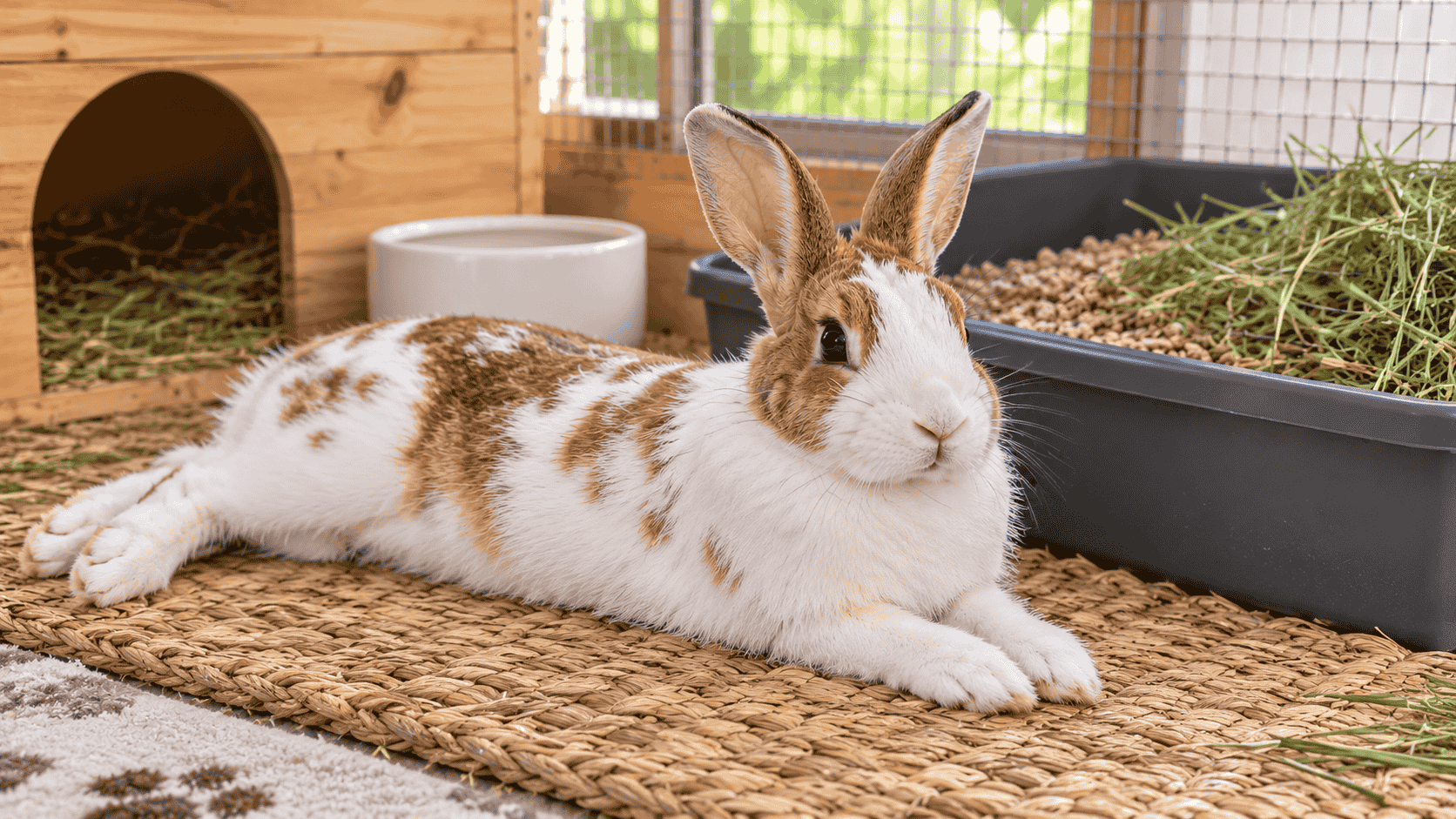
Choosing the best rabbit bedding materials directly affects your rabbit’s breathing, foot health, digestion, and daily comfort. Rabbits spend 24 hours a day with their noses inches from the floor, grooming their fur and frequently nibbling whatever sits beneath their paws. Dusty wood shavings, scented clay litters, or damp straw quickly trigger bacterial respiratory infections, painful sore hocks, skin scald, and coccidiosis.
The right bedding depends on where your rabbit lives and how you use it. A rabbit needs different materials for a sleeping area, a litter tray, a kindling nest box, and an outdoor wire-floor hutch. Whether you keep an indoor house rabbit in Accra, manage backyard wooden hutches in Kumasi or Tamale, or care for pet rabbits in the UK, this guide compares every major safe and unsafe rabbit bedding option, explains how to layer bedding for maximum odour control and foot protection, covers affordable local materials available in Ghana, and shows you how to keep bedding dry and hygienic without overspending.
How Bedding Choice Directly Affects Rabbit Health
Many beginners grab the cheapest bag of wood shavings or cat litter at a local shop without realising how sensitive a rabbit’s body is to floor surfaces and airborne particles. Four specific health systems depend on safe, clean bedding every day:
- Respiratory tract: Rabbits are obligate nasal breathers with delicate nasal linings and small lung capacity. Fine sawdust, dusty straw, mould spores, and strong aromatic oils (phenols) in pine or cedar shavings irritate the airways, weakening local immunity and opening the door to bacterial snuffles (Pasteurella multocida).
- Feet and heels: Unlike dogs and cats, rabbits have no thick fleshy paw pads. Dense fur covers the bottoms of their feet. Damp, urine-soaked bedding softens the skin on the heels, while rough, abrasive surfaces or bare wire rub that protective fur away, causing painful bleeding ulcers known as sore hocks (ulcerative pododermatitis).
- Digestive system: Rabbits naturally taste and chew their bedding while foraging. Swallowing clumping clay litter, synthetic fabric threads, or chemically treated wood causes fatal stomach impaction or gut poisoning.
- Skin and parasite control: Warm, damp bedding traps ammonia fumes that burn skin around the hindquarters (urine scald), provides an ideal breeding ground for Eimeria coccidiosis parasites in young kits, and attracts blowflies that cause lethal flystrike within 12 hours.
You can read more about how damp or dusty bedding triggers snuffles, sore hocks, and coccidiosis in our full overview of common rabbit diseases, symptoms, and prevention.
Bedding vs. Litter: Why You Should Separate Sleeping and Toilet Areas
One of the simplest ways to cut bedding costs in half and keep your rabbit spotless is separating sleeping bedding from toilet litter.
- Litter (absorbent toilet material): Goes strictly inside a roomy rectangular litter box or beneath a drainage zone. Its job is soaking up urine rapidly and locking away ammonia smells. Unscented recycled paper pellets or kiln-dried untreated wood pellets work best here.
- Bedding (soft resting and traction surface): Covers the sleeping corner, hideout box, or pen floor. Its job is giving your rabbit’s feet firm grip, cushioning the heels, and providing warmth or breathability. Washable cotton mats, fleece liners, dry clean straw, or soft grass hay work best here.
When you cover an entire cage floor in the exact same wood pellets or straw used inside the toilet tray, your rabbit treats the whole enclosure as a bathroom. Keeping distinct textures for resting and toileting reinforces clean habits immediately. If your rabbit is not yet using a tray reliably, follow our step-by-step setup in how to litter train a rabbit cleanly.
Complete Comparison of Safe and Unsafe Rabbit Bedding Materials
Use this quick-reference chart to compare safety, urine absorbency, dust levels, and ideal use cases before buying bedding for your pet pen or rabbitry.
| Bedding Material | Safety Rating | Absorbency & Odour Control | Dust Level | Best Use |
|---|---|---|---|---|
| Unscented recycled paper pellets | Safe (Top Choice) | High absorbency; strong odour control | Very low | Indoor and outdoor litter boxes |
| Unscented paper pulp bedding (fluffy cellulose) | Safe (Excellent) | High absorbency; very soft on feet | Very low | Litter boxes, recovery pens, senior rabbits with sore hocks |
| Kiln-dried untreated wood pellets | Safe (Budget Winner) | Very high absorbency; neutralises ammonia well | Low (breaks into damp sawdust when wet) | Litter boxes (always top with soft hay for foot comfort) |
| Clean wheat, oat, or barley straw | Safe (Good) | Low absorbency on its own | Low to moderate (shake out dust first) | Outdoor hutch insulation, kindling nest boxes, soft top layer over pellets |
| Soft grass hay (Timothy, orchard, or local grass hay) | Safe (Essential) | Low urine absorption | Low (when green and dry) | Top layer in litter trays, foraging, and nest box lining |
| Aspen hardwood shavings | Safe (Good) | Moderate absorbency and odour control | Moderate | Litter boxes or solid hutch floors (safe hardwood alternative to pine) |
| Washable cotton rugs, woven mats, or fleece liners | Safe (Indoor Floor) | Fleece wicks urine down into an absorbent towel underneath | Zero dust | Indoor exercise pens and litter-trained house rabbits (watch for chewing) |
| Plain newspaper (soy-based ink) | Safe (Liner Only) | Low absorbency; gets soggy fast | Zero dust | Bottom liner under pellets or straw to simplify tray dumping |
| Pine or cedar wood shavings | Unsafe (Avoid) | Masks smell with strong wood oils | High | Do not use; aromatic phenols irritate airways and stress liver enzymes |
| Fine carpentry sawdust | Unsafe (Never Use) | Turns into wet mud when peed on | Extremely high | Do not use; causes severe eye/lung irritation and often contains toxic glues |
| Clumping clay or scented crystal cat litter | Dangerous (Never Use) | Forms hard cement clumps | High | Do not use; causes fatal stomach blockages if swallowed |
| Corn cob bedding | Unsafe (Avoid) | Poor odour control; grows mould rapidly | Low to moderate | Do not use; hard kernels expand in the gut and cause fatal blockages if eaten |
7 Best Safe Rabbit Bedding Materials Explained
Every safe bedding material has distinct strengths. Combining two complementary materials usually gives far better comfort and hygiene than relying on a single product.
1. Unscented Recycled Paper Pellets
Paper pellets (sold commercially under pet-safe paper litter brands) are compressed pellets made from clean, ink-free recycled paper pulp. They contain almost zero dust, hold several times their weight in urine without clumping into cement, control ammonia odour reliably for 2 to 3 days, and pass harmlessly through the gut if a curious rabbit nibbles one. They are widely considered the gold-standard litter box base for indoor house rabbits.
2. Fluffy Unscented Paper Pulp Bedding
Soft, pillowy cellulose paper bedding (white or natural brown, strictly unscented) provides gentle cushioning for delicate feet. It is especially useful for senior rabbits with arthritis, rabbits recovering from surgery, or rabbits healing from early sore hocks. Because fluffy paper is slightly more expensive per bag than pellets, many owners reserve it for sleeping areas or mix a thin layer over wood pellets.
3. Kiln-Dried Untreated Wood Pellets
Pure kiln-dried wood pellets (commonly sold as horse stall bedding pellets or 100% additive-free wood stove pellets) offer the best value per kilogram for multi-rabbit homes and rabbitries. During high-temperature kiln drying, harmful volatile aromatic oils are baked out of the wood. When rabbit urine hits a wood pellet, the pellet absorbs the moisture cleanly and crumbles into damp, fresh-smelling wood fibre that traps ammonia smell exceptionally well. Always check the bag label to verify it contains 100% pure natural wood with zero chemical accelerants, glues, or fragrances, and place a generous layer of soft hay on top so hard pellets do not press into your rabbit’s heels.
4. Clean Dry Straw (Wheat, Oat, or Barley Straw)
Hollow-stemmed cereal straw is an excellent insulator for outdoor wooden hutches and kindling nest boxes because trapped air inside the dry stalks holds warmth in cool weather and provides springy cushioning. However, straw does not absorb urine well on its own, because urine runs straight through straw onto the floor below. Always pair straw with an absorbent base (such as paper pellets, wood pellets, or newspaper) underneath, choose soft golden straw free of sharp stiff stalks that could poke eyes, and discard any bale that smells damp or musty.
5. Soft Grass Hay (As a Top Comfort Layer)
While hay is primarily your rabbit’s daily staple food (making up at least 80% of an adult diet), laying a fresh handful of soft meadow hay, Timothy hay, or well-cured local grass hay on top of absorbent litter pellets keeps paws dry and encourages healthy grazing inside the litter box. Avoid using hay alone as floor bedding across a whole cage, because rabbits quickly urinate on flat floor hay and waste expensive forage.
6. Aspen Wood Shavings
Unlike softwood pine or cedar, aspen is a hardwood free of harmful aromatic phenols. Kiln-dried, dust-extracted aspen shavings offer moderate urine absorption and a natural scent. Shake shavings lightly outdoors before placing them in the enclosure to remove lingering fine dust, and avoid aspen for long-haired breeds like Angoras or Lionheads because wood chips tangle tightly into long wool.
7. Washable Fleece Liners, Cotton Mats, and Woven Grass Rugs
For litter-trained indoor rabbits living in exercise pens, washable textiles replace disposable floor bedding completely. Anti-pill polar fleece works well when pre-washed three to four times (without fabric softener) so liquid passes straight through the fleece into an absorbent cotton towel or washable mattress pad underneath, keeping the surface dry under your rabbit’s feet. Low-pile cotton bath mats and untreated woven sisal or seagrass mats also give rabbits strong paw grip on slippery tiled floors. Inspect fabric corners daily: if your rabbit chews and swallows fleece or carpet threads, switch immediately to plain cardboard, woven seagrass mats, or paper bedding.
6 Unsafe Bedding Materials You Must Never Use
Even products sold in pet shops with pictures of rabbits on the packet can harm your animal. Keep these six materials strictly out of your rabbit’s enclosure:
- Cedar and untreated pine wood shavings: Softwood shavings release strong aromatic hydrocarbons (phenols) that smell “fresh” to humans yet irritate a rabbit’s delicate nasal passages, damage tracheal cilia, and force liver enzymes to work overtime to clear inhaled toxins.
- Fine carpentry sawdust: Free sawdust from local furniture workshops is packed with microscopic wood dust that causes chronic sneezing, watery eyes, and pneumonia. Worse, carpentry shops regularly cut plywood, MDF, varnished timber, and chemically treated wood, contaminating sawdust with toxic glues and preservatives.
- Clumping clay cat litter: Sodium bentonite clay turns into rock-hard cement when wet. Rabbits lick litter dust off their paws during grooming and frequently test-bite pellets; clumping clay swells inside the stomach and causes fatal gastrointestinal blockages.
- Scented litters and crystal silica gel litters: Artificial perfumes irritate sensitive rabbit airways and cause rabbits to refuse their litter tray, while sharp silica crystals can cut paw skin and cause severe gut injury if swallowed.
- Corn cob bedding: Hard dried corn cob chunks absorb poorly, grow invisible toxic moulds rapidly in warm humidity, and swell inside the digestive tract if eaten.
- Long cotton wool, fluffy synthetic “hamster bedding”, or loose-thread towels: Long synthetic fibres wrap tightly around tiny toes or newborn kit legs, cutting off blood flow, and form non-digestible tangles in the stomach if chewed.
Choosing the Best Bedding by Enclosure Type (Indoor, Outdoor, Wire, Nest Box)
Match your bedding choice to the exact enclosure your rabbit uses so you get clean hygiene without wasted effort.
| Enclosure Type | Recommended Base / Liner | Recommended Top / Comfort Layer | Key Priority |
|---|---|---|---|
| Indoor Exercise Pen (Litter-Trained Pet) | Washable cotton rug, woven sisal mat, or fleece over absorbent towel on the pen floor | Unscented paper pellets + fresh grass hay strictly inside a large litter box | Non-slip paw traction, zero dust, easy sweeping |
| Outdoor Solid-Floor Wooden Hutch | Non-slip vinyl floor sheet + thick newspaper or wood pellets in the toilet corner | Deep, dry clean straw or soft hay in the sheltered sleeping compartment | Keeping urine off bare wood so timber stays dry and odour-free |
| Wire-Mesh Farm Hutch (Ghana & Tropical Farms) | 12 mm x 25 mm welded wire floor for self-cleaning manure drainage | Smooth ceramic floor tile, perforated plastic rabbit resting mat, or removable clean wooden resting board covering 30% to 40% of the floor | Preventing painful sore hocks while keeping airflow high and droppings away from feet |
| Kindling Nest Box (Newborn Kits, Days 1 to 21) | Clean corrugated cardboard liner over drainage holes | Soft dry wheat/oat straw, clean shredded untreated paper, or soft grass hay topped with the mother’s pulled fur | Snug warmth, dryness, zero sharp stalks, and zero loose threads |
| Recovery / Sore Hocks Enclosure | Thick folded clean cotton towels or washable veterinary fleece (Vetbed) | Soft unscented paper pulp bedding inside a low-entry litter tray | Maximum heel cushioning and bone-dry hygiene while skin heals |
If you are preparing a nest box for an expecting doe, remember that wet straw inside a nest chills newborn kits rapidly and triggers nest box eye; check our week-by-week nest changing schedule in how to care for baby rabbits safely during their first 8 weeks. If you are designing or upgrading your hutch floor itself, compare wire, solid, and hybrid layouts in how to build a low-cost rabbit hutch with proper flooring and ventilation.
How to Layer Rabbit Bedding for Comfort, Dryness, and Odour Control
The secret to an odour-free enclosure that keeps paws completely dry is a simple 3-layer system inside litter trays and solid-floor sleeping zones:
- Layer 1: Easy-clean barrier (bottom): Lay two flat sheets of plain newspaper (with soy-based ink, never glossy magazine pages) across the bottom of the plastic tray or vinyl-lined hutch corner. This stops damp litter from sticking to the tray when you empty it.
- Layer 2: Absorbent core (middle): Pour a 2 cm to 3 cm layer of unscented recycled paper pellets or kiln-dried untreated wood pellets evenly across the tray. Do not overfill to 10 cm deep; a 2.5 cm base absorbs a full 48 hours of urine cleanly without wasting product.
- Layer 3: Soft comfort and grazing layer (top): Spread a light, airy layer of clean dry straw or fresh fragrant grass hay over the pellets, piling extra fresh hay at the front eating end of the tray. Urine sinks straight down into the absorbent pellets below while your rabbit’s furred feet stay dry and cushioned on top.
For further veterinary-backed guidance on safe rabbit bedding and enclosure hygiene standards, you can consult the Blue Cross rabbit housing and bedding care advice.
Affordable, Safe Rabbit Bedding Options in Ghana and Tropical Climates
Imported paper pellets and commercial pet-store bedding can be expensive or hard to find outside major shops in Accra and Kumasi. Fortunately, rabbit keepers across Ghana (including Tema, Takoradi, Cape Coast, Sunyani, and Tamale) have several affordable, rabbit-safe local options that handle tropical heat and rainy-season humidity well:
- Smooth ceramic floor tiles (top choice for wire cages in hot weather): Leftover or slightly chipped 30 cm x 30 cm ceramic tiles bought cheaply from local building suppliers give rabbits on wire floors a cool, washable, chew-proof resting surface that prevents sore hocks and absorbs body heat on 35°C dry-season afternoons.
- Sun-dried, dust-sifted local grass hay or rice straw: Clean, well-cured guinea grass (Panicum maximum) or rice straw harvested away from chemically sprayed fields makes soft, free bedding for kindling nest boxes and solid wooden sleeping areas. Always dry cut grass thoroughly in full sun until crisp, shake out loose dust, and store it in dry ventilated sacks off the ground so rainy-season mould never grows.
- Clean, dust-sifted rice husks (for litter trays and drop pans only): Widely available cheaply near rice mills in northern, Volta, and Ashanti regions, dry rice husks absorb urine well inside drop trays beneath wire floors or in the bottom of litter boxes. Always sift out fine dusty bran first, never use mouldy damp husks, and cover husks with a layer of dry grass hay if your rabbit steps directly into the tray so it does not nibble dusty husks.
- Plain shredded newspaper and corrugated cardboard: Unprinted brown corrugated cardboard boxes (with all plastic tape and metal staples removed) and plain black-and-white newspapers make clean, chew-safe floor liners and nest box bases.
- Woven straw mats and washable cotton rugs for indoor tiled homes: Smooth porcelain and ceramic floor tiles inside Ghanaian apartments give rabbits zero paw grip. Affordable woven grass mats (replace when chewed) or washable cotton mats let indoor pet rabbits hop confidently without splaying their legs.
- Skip free carpentry sawdust completely: Although timber markets and woodworkers in Ghana often give away sacks of sawdust for free, resist the temptation. Workshop sawdust contains fine lung-damaging dust and frequent off-cuts of treated timber and plywood glue that cause chronic sneezing and eye infections across whole rabbitries.
How Often to Change Rabbit Bedding (Daily and Weekly Schedule)
Even the safest bedding material becomes hazardous once soaked with urine. In warm climates above 28°C, bacterial breakdown of urine releases sharp ammonia gas within 12 to 24 hours. Follow a simple, consistent replacement routine:
- Daily (2 to 3 minutes): Scoop out heavily wet corners of the litter box, remove damp uneaten leafy greens or grass before they rot, top up fresh dry hay at the front of the tray, and wipe down ceramic resting tiles or sweep stray dry faecal pellets off indoor fleece mats.
- Every 2 to 3 days (litter boxes and toilet corners): Dump all soiled pellets and straw into a compost bin or waste bag, rinse the plastic tray with warm water and diluted plain white vinegar (1 part vinegar to 1 part water) to dissolve white chalky calcium stains, dry thoroughly, and refill with fresh layers.
- Every 3 to 5 days (indoor fleece liners): Shake loose hay and droppings outdoors, then machine-wash or hand-wash fleece and absorbent towels in hot water using a mild, unscented, fragrance-free detergent (never use fabric softener, which coats fleece fibres and stops urine from wicking through).
- Weekly (full sleeping bedding refresh): Replace all straw or sleeping bedding inside solid-floor hutches, sun-dry removable wooden resting boards or ceramic tiles, and inspect every wooden corner for dampness or mould.
For complete sanitisation steps, safe disinfectant dilutions, and a monthly deep-clean checklist, read our guide on how to clean a rabbit cage daily, weekly, and monthly.
7 Common Rabbit Bedding Mistakes Beginners Make
Avoiding these seven frequent errors saves money and prevents avoidable veterinary emergencies:
- Buying “small animal wood shavings” without checking the wood type: Many generic pet-shop bags labelled “natural wood shavings” are un-kiln-dried pine or mixed softwoods. Unless a bag explicitly states aspen or 100% kiln-dried untreated wood pellets, leave it on the shelf.
- Storing hay and straw directly on damp concrete floors: Concrete draws ground moisture upward during rainy months, causing invisible mould to grow inside the bottom of hay bales and bedding sacks. Store all bedding raised on dry wooden pallets or inside sealed, ventilated storage drums.
- Leaving bare wire floors uncovered in commercial hutches: Even clean 12 mm x 25 mm wire floors cause red, bleeding sore hocks if a 4 kg rabbit has nowhere solid to rest its heels. Always add a ceramic tile, plastic resting mat, or clean wooden board.
- Using scented room sprays or baking soda heavily on bedding: Artificial deodorisers mask smells briefly while irritating rabbit lungs. Good airflow, absorbent paper or wood pellets, and changing trays every 48 hours eliminate odour naturally without chemicals.
- Keeping deep, damp straw inside hutches during hot tropical afternoons: Thick insulating straw holds warmth in winter, yet traps stifling heat in 34°C tropical weather. Switch to thin, breathable resting mats, cool ceramic tiles, and absorbent corner trays during peak hot months.
- Ignoring fabric chewing on indoor rugs and fleece: Some rabbits happily lounge on fleece for years, while others shred and swallow fabric within ten minutes. Swallowed synthetic threads cause dangerous gut blockages. Always test fabric mats under supervision first.
- Using dusty or sharp-stalked straw in kindling nest boxes: Stiff, prickly straw stems can scratch newborn kits’ eyes as they open between days 10 and 12. Rub straw between your hands first; if it feels sharp or poky against your palm, choose softer grass hay or shredded plain paper instead.
Health Warning Signs Linked to Unsafe or Damp Bedding
Your rabbit’s body tells you quickly when a bedding material does not suit it. Switch bedding immediately and consult a veterinarian if you observe any of these warning signs:
- Frequent sneezing, watery eyes, or thick white nasal mucus (classic signs of dusty bedding, mould spores, ammonia buildup, or bacterial snuffles).
- Red, hairless, calloused, or bleeding patches on the heels of the hind feet (early or advanced sore hocks caused by bare wire, damp floors, or abrasive litter).
- Yellow-stained, wet, or raw pink skin around the tail and inner hind legs (urine scald caused by non-absorbent bedding pooling urine under the rabbit).
- Reduced appetite, tiny dark droppings, or hunched posture after chewing synthetic fleece, clumping clay litter, or corn cob bedding (potential digestive obstruction; treat as an emergency).
- Heavy white dandruff flaking along the back and shoulders (fur mites can hitchhike in contaminated, poorly stored straw or hay).
Frequently Asked Questions About Rabbit Bedding Materials
1. What is the single best bedding for indoor house rabbits?
The cleanest and most comfortable indoor combination is a washable non-slip cotton rug, woven sisal mat, or layered fleece liner across the exercise pen floor, paired with unscented recycled paper pellets (or kiln-dried untreated wood pellets) topped with fresh grass hay inside a large rectangular litter box.
2. Are pine shavings safe for rabbits?
No. Standard untreated pine and cedar shavings release aromatic phenols that irritate rabbit airways, increase the risk of respiratory infections, and strain liver enzymes. Choose unscented recycled paper pellets, dust-extracted aspen hardwood shavings, or 100% kiln-dried untreated wood pellets instead.
3. Can I use cat litter as rabbit bedding?
Never use clumping clay, scented, or crystal silica cat litter for rabbits, as swallowing clumping clay causes fatal stomach blockages and heavy clay dust damages lungs. The only cat-style litters safe for rabbits are unscented recycled paper pellets or 100% pure kiln-dried untreated wood pellets.
4. Is straw or hay better for rabbit bedding?
Clean, soft wheat or oat straw is better as warm outdoor bedding and nest box insulation because hollow stems stay drier and cost less than feeding hay. Soft grass hay works best as a top comfort and grazing layer inside litter boxes rather than covering an entire floor, where it quickly gets soiled with urine.
5. What is the cheapest safe rabbit bedding in Ghana?
For wire-floor hutches in Ghana, leftover smooth ceramic floor tiles (bought cheaply from local building suppliers) provide a permanent, washable, cooling resting surface, while dust-sifted sun-dried rice husks or plain shredded newspaper work cheaply inside drop trays and litter boxes. For solid-floor hutches and kindling nest boxes, clean sun-dried local grass hay or rice straw is safe and low cost.
6. Can rabbits sleep on bare wire cages without bedding?
No. While welded wire floors keep droppings away from rabbits in commercial farms, housing a rabbit on 100% bare wire without any solid resting surface causes painful sore hocks, bruised heels, and foot infections. Always place a ceramic tile, perforated plastic resting mat, or clean wooden board covering at least 30% to 40% of the cage floor.
7. Is newspaper safe for rabbit bedding?
Plain black-and-white newspaper printed with modern soy-based ink is safe as a thin bottom liner beneath absorbent pellets or dry straw. Do not use glossy colour magazine pages, and never rely on newspaper alone, as wet paper gets soggy quickly, stains white fur grey, and gives rabbits poor traction.
8. How often should I change my rabbit’s bedding?
Spot-clean wet litter box corners and top up dry hay daily, do a complete litter box change and vinegar rinse every 2 to 3 days (every 48 hours in hot tropical weather above 30°C), wash indoor fleece liners every 3 to 5 days, and refresh dry sleeping straw weekly.
Creating a Clean, Dry, Comfortable Home for Your Rabbits
Selecting the best rabbit bedding materials comes down to four straightforward standards: zero harmful dust or aromatic oils, strong urine absorption inside toilet zones, firm non-slip cushioning under furred heels, and strict daily dryness. Separating soft resting surfaces from absorbent litter trays saves money, eliminates strong ammonia smells, and makes spotting subtle changes in droppings or urine effortless.
Whether you layer unscented paper pellets and fresh hay inside an indoor Accra apartment pen, place cool ceramic resting tiles inside wire-bottom farm hutches in Kumasi, or pack soft golden straw into a dry kindling nest box, clean bedding is one of the cheapest and most reliable investments you can make in your rabbits’ lifelong health.
