

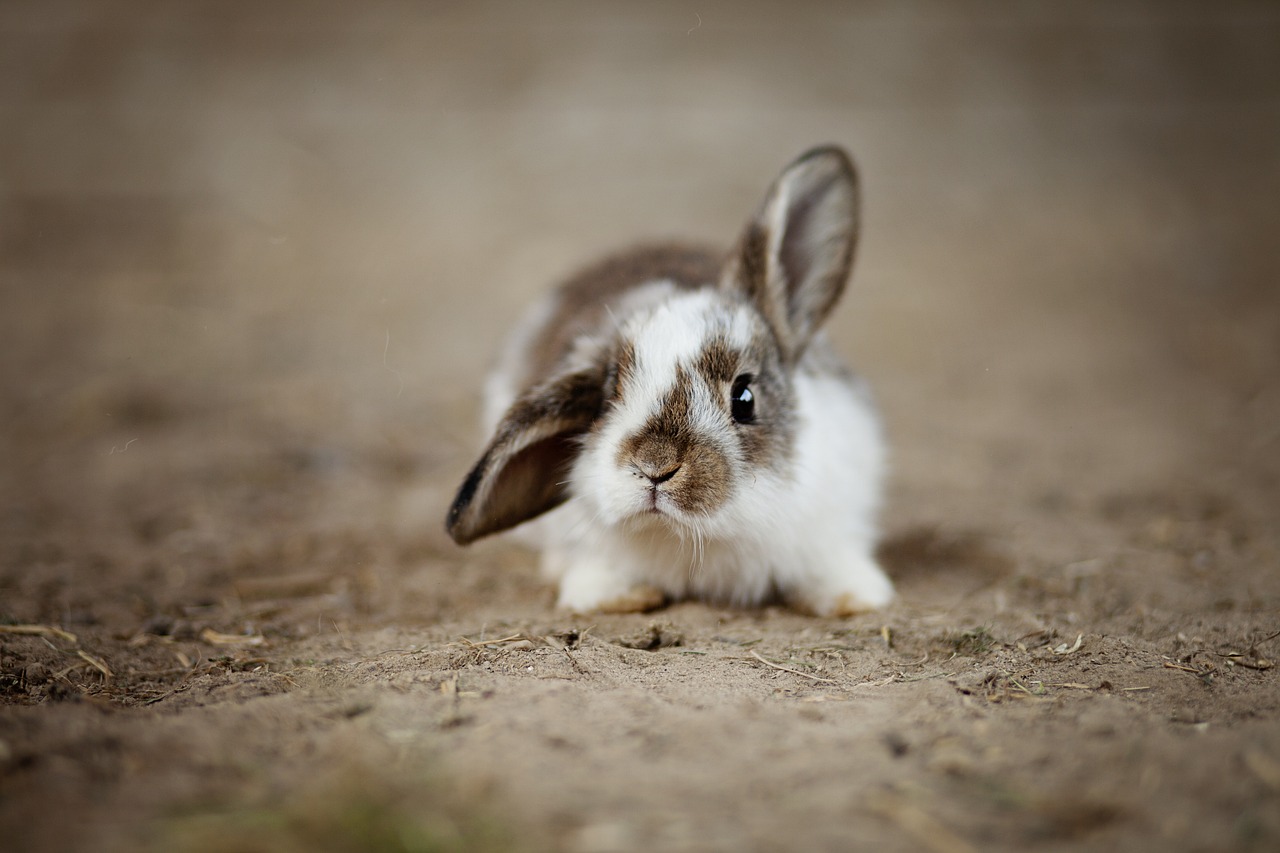
Rabbits may be quiet animals, but they communicate constantly.
A change in ear position, a sudden thump, a gentle nudge or an energetic jump can all provide clues about what a rabbit is experiencing. Once you begin recognising these signals, it becomes much easier to understand when your rabbit is relaxed, curious, frightened, annoyed or possibly unwell.
However, there is one important rule when learning rabbit behavior:
Never judge a rabbit’s mood from one movement alone.
You need to consider the rabbit’s ears, eyes, posture, movement, environment and normal personality together.
For example, ears held backwards can look relaxed in one situation but frightened in another. A rabbit lying still might be comfortably resting, or it could be sitting unusually quietly because it is sick.
This guide explains common rabbit body language, sounds and behaviours so you can understand your bunny more accurately.
Why Understanding Rabbit Behavior Matters
Learning rabbit body language is useful for more than bonding.
It can help you notice:
- Happiness and relaxation
- Fear
- Stress
- Territorial behaviour
- Social communication
- Boredom
- Pain
- Possible illness
Rabbits are prey animals, so they may hide obvious signs of weakness.
A change in normal behaviour can therefore sometimes be one of the earliest signs that something is wrong.
The more familiar you become with your rabbit’s ordinary routine, the easier unusual behaviour becomes to recognise.
Learn Your Individual Rabbit First
Rabbit behaviour varies between individuals.
One rabbit may confidently approach every visitor, while another may prefer to observe from a hiding place.
Age, breed, previous experiences, neutering status, health and environment can all influence behaviour.
Instead of constantly comparing your rabbit with videos online, establish what is normal for your rabbit.
Notice:
- When it normally eats
- Where it likes to sleep
- How active it usually is
- How it reacts when you enter
- Which foods excite it
- How it interacts with its companion
- How comfortable it is around people
Sudden changes from these patterns can be important.
Rabbit Ear Positions and What They Mean
Rabbit ears are very expressive, but they should always be interpreted together with body posture and facial expression.
Ears Forward
When an upright-eared rabbit turns both ears toward something, it is usually paying close attention.
It may have noticed:
- A sound
- Movement
- Food
- Another animal
- An unfamiliar person
The rabbit may also stretch its head forward or stand taller while investigating.
This usually indicates attention or curiosity, but the rest of the body tells you whether that attention is relaxed or concerned.
Relaxed Ears
A relaxed rabbit may hold its ears comfortably together or angle them slightly backwards.
If this is combined with:
- A loose body
- Partly closed eyes
- Comfortable resting
- Normal breathing
the rabbit is probably relaxed.
Ears Flattened Back
Ears pressed tightly against the back can indicate fear, anxiety or defensive behaviour, especially when combined with a tense body.
Watch for additional signals such as:
- Wide eyes
- Crouching
- Tail raised
- Growling
- Trying to escape
- Lunging
However, ears resting backwards on an otherwise relaxed rabbit can have a completely different meaning.
Context matters.
What About Lop-Eared Rabbits?
Lop rabbits cannot position their ears in exactly the same way as rabbits with upright ears.
This makes ear position less reliable as a standalone signal.
With lop rabbits, pay even more attention to:
- Body tension
- Eye position
- Head position
- Movement
- Tail
- Behaviour
Never assume that one illustrated ear chart applies equally to every breed.
What Does a Rabbit Binky Mean?
A binky is one of the most recognisable happy rabbit behaviours.
The rabbit may:
- Leap into the air
- Twist its body
- Kick its feet sideways
- Change direction suddenly
Binkies are generally associated with excitement and positive emotional states.
You may see them when a rabbit is:
- Exploring a large area
- Excited about food
- Playing
- Enjoying exercise
- Feeling comfortable in its environment
Some rabbits perform dramatic airborne twists while others make smaller movements.
Both can be normal.
What Are Rabbit Zoomies?
Zoomies are sudden bursts of fast running.
A rabbit may race around a room or enclosure, change direction quickly and combine running with binkies.
This is commonly associated with excitement and high energy.
Make sure your rabbit has enough safe space to perform this behaviour without slipping or crashing into dangerous objects.
Why Does My Rabbit Flop Onto Its Side?
A rabbit suddenly throwing itself onto its side can be alarming the first time you see it.
In a healthy rabbit behaving normally, a flop usually indicates deep relaxation.
The rabbit may lie completely on one side and appear almost asleep.
This usually means it feels secure enough to rest in a vulnerable position.
However, learn the difference between a voluntary relaxed flop and collapse.
If a rabbit falls over unexpectedly and cannot stand, appears weak, breathes abnormally or behaves strangely, that is not a normal relaxation behaviour and needs veterinary attention.
What Does the Rabbit “Loaf” Position Mean?
A loafing rabbit sits with its legs tucked underneath its body.
The rabbit may look similar to a small loaf of bread.
This can be a completely normal resting position.
A relaxed loaf may include:
- Soft facial muscles
- Relaxed ears
- Normal breathing
- Comfortable eyes
However, a rabbit experiencing pain may also sit in a more hunched posture.
A painful rabbit may appear:
- Tense
- Unwilling to move
- Less responsive
- Uninterested in food
- Uncomfortable around the abdomen
Do not decide that every tucked posture means relaxation.
Again, look at the whole rabbit.
What Does Thumping Mean?
Rabbits can strike the ground strongly with their hind feet.
This behaviour is known as thumping.
In nature, thumping can warn other rabbits of possible danger.
A pet rabbit may thump because it:
- Heard an unfamiliar noise
- Saw something frightening
- Smelled another animal
- Feels threatened
- Is upset or frustrated
An occasional thump is not necessarily a problem.
Repeated thumping deserves investigation.
Look around for whatever may be making the rabbit uncomfortable.
What Does Chinning Mean?
If your rabbit rubs the underside of its chin against furniture, toys, feeding bowls or even you, it is performing a behaviour known as chinning.
Rabbits have scent glands beneath the chin.
Chinning deposits scent that helps mark objects and areas.
You cannot normally smell this scent yourself.
A rabbit chinning your shoe is therefore not trying to scratch an itchy chin.
It is leaving a rabbit scent signal.
This is normal territorial communication.
Why Does My Rabbit Nudge Me?
Rabbits often push people or objects using their nose.
A nudge can have several meanings depending on context.
It might mean:
- Give me attention
- Stroke me
- Move out of my way
- What is this?
- I want to investigate you
For example, a rabbit may place its head underneath your hand because it wants to be stroked.
Another rabbit may strongly push your foot because you are blocking its route.
Do not assume every nudge means exactly the same thing.
Why Does My Rabbit Lower Its Head in Front of Me?
A rabbit may approach and lower its head toward another rabbit or person.
This can be a request for grooming.
If your rabbit lowers its forehead beneath your hand and remains relaxed, it may be asking you to stroke its head.
Among bonded rabbits, one rabbit may make a similar request for grooming from its companion.
Why Does My Rabbit Lick Me?
Licking can be social grooming.
Rabbits groom bonded companions, and some extend this behaviour to humans.
A rabbit licking your hand, clothes or skin can therefore be a sign of social interaction or affection.
However, rabbits can also lick surfaces for other reasons, including interesting tastes or smells.
Context still matters.
Rabbit Tooth Purring vs Tooth Grinding From Pain
This is an important behaviour to understand.
A comfortable rabbit may make a very gentle tooth-chattering or grinding sound while relaxing.
Owners sometimes call this tooth purring.
You may notice it while gently stroking a relaxed rabbit.
The movement is usually quiet and subtle.
Louder or more forceful tooth grinding can have a completely different meaning.
It may indicate pain, particularly when accompanied by:
- Hunched posture
- Reduced appetite
- Reduced movement
- Half-closed or strained eyes
- Unusual quietness
- Fewer droppings
Do not interpret all tooth grinding as happiness.
RSPCA similarly distinguishes gentle tooth chattering associated with contentment from grinding that can accompany pain.
Why Does My Rabbit Circle My Feet?
A rabbit may repeatedly run circles around another rabbit or a person’s feet.
Possible reasons include:
- Excitement
- Anticipation of food
- Attention-seeking
- Courtship
- Hormonal behaviour
Circling is especially common in sexually mature rabbits that have not been neutered.
It may also be accompanied by honking or mounting.
Do not automatically label all circling as affection.
The surrounding behaviour provides important clues.
Why Do Rabbits Mount Each Other?
Mounting can have a sexual function, but that is not its only role.
Rabbits may mount during:
- Courtship
- Hormonal behaviour
- Social interactions
- Rabbit bonding
Even neutered rabbits may occasionally mount each other.
During rabbit introductions, some mounting can occur while the relationship is developing.
However, persistent mounting or mounting directed toward another rabbit’s head can become dangerous and should be interrupted appropriately.
Serious chasing, biting or fighting should not simply be allowed because someone describes it as “establishing dominance.”
Our Complete Guide to Socializing Your Rabbit explains rabbit bonding in greater detail.
Why Does My Rabbit Dig?
Digging is normal rabbit behaviour.
Wild rabbits dig complex burrow systems, and domestic rabbits retain the motivation to dig.
A rabbit may dig:
- Bedding
- Soil
- Carpets
- Blankets
- Cardboard
- A digging box
Preventing all opportunities to dig can cause frustration.
Instead of punishing the rabbit for natural behaviour, provide an appropriate outlet.
A safe digging box can contain suitable materials such as shredded paper or another rabbit-safe substrate.
Protect carpets and household surfaces where necessary.
Why Does My Rabbit Chew Everything?
Chewing is also natural.
Rabbit teeth grow continuously, and chewing is part of normal rabbit behaviour.
Provide appropriate materials such as:
- Hay
- Rabbit-safe branches
- Cardboard
- Appropriate chew toys
Rabbit-proof indoor areas by protecting:
- Electrical wires
- Furniture
- Toxic plants
- Baseboards
- Household chemicals
Never punish a rabbit for chewing without first providing suitable alternatives.
What Does Freezing Mean?
A frightened rabbit may suddenly stop moving.
This is called freezing.
A rabbit may freeze after:
- Hearing a sudden noise
- Seeing unexpected movement
- Detecting another animal
- Being startled
Brief freezing can be a normal reaction.
Repeated freezing in an apparently safe environment may suggest that something is causing fear or stress.
Observe what happens immediately before the behaviour.
Why Does My Rabbit Hide?
Hiding is normal.
Rabbits naturally need enclosed spaces where they feel protected.
Every rabbit should have access to suitable hiding places.
A rabbit entering its hide does not automatically mean it is frightened.
The concern is a change from normal.
A rabbit that normally approaches food but suddenly remains hidden, refuses to eat and avoids interaction may be unwell.
Persistent hiding combined with other changes should be investigated.
Our guide on Signs Your Rabbit Is Stressed explains this in more detail.
What Does Boxing Mean?
A rabbit may rise onto its hind legs and strike outward with its front feet.
This is sometimes called boxing.
When combined with a tense body, growling or defensive behaviour, it can mean that the rabbit feels threatened and wants the person or animal to move away.
Give the rabbit space.
Do not punish it.
If normally gentle behaviour suddenly changes into repeated aggression, consider whether pain or illness could be involved.
Why Does My Rabbit Lunge?
Lunging can be defensive or territorial.
A rabbit may rapidly move toward a hand or another animal because it feels threatened.
This can happen particularly when someone reaches suddenly into the rabbit’s enclosure.
Some rabbits become protective of:
- Food
- Litter areas
- Nesting areas
- Their enclosure
Neutering may reduce some hormone-related territorial behaviour.
However, sudden new aggression can also indicate pain.
Rabbit Nipping vs Biting
A small nip and a serious bite are not always the same behaviour.
A gentle nip may be used during communication or grooming.
The rabbit might be saying:
- Move
- Stop
- Pay attention
A hard bite causing injury indicates a stronger defensive or aggressive response.
Instead of immediately labelling the rabbit “mean,” determine what caused the reaction.
What Does a Rabbit Honk Mean?
Rabbits can produce soft honking or buzzing sounds.
These are commonly associated with excitement, courtship or hormonal behaviour.
An intact rabbit may honk while:
- Circling
- Mounting
- Following another rabbit
Some neutered rabbits may also make similar sounds during excitement.
The sound should therefore be interpreted alongside the rest of the behaviour.
What Does Rabbit Grunting Mean?
Grunting or growling usually indicates that the rabbit is unhappy with what is happening.
It may feel:
- Threatened
- Territorial
- Frustrated
- Irritated
Give the rabbit space and consider what caused the reaction.
Repeated unexplained grunting together with major behavioural changes can justify closer health assessment.
What Does a Rabbit Scream Mean?
A loud rabbit scream is uncommon and should be taken seriously.
It can occur during extreme fear, severe distress or pain.
If your rabbit suddenly screams and there is no obvious harmless explanation, check it immediately and seek veterinary assistance if illness or injury is suspected.
Why Does My Rabbit Flick Its Back Feet at Me?
Sometimes a rabbit hops away while dramatically flicking its hind feet.
This can indicate irritation or displeasure.
You might see it after:
- Being picked up
- Nail trimming
- Medication
- An unwanted interaction
It is essentially part of rabbit communication.
Allow the rabbit time to settle rather than chasing it for another interaction.
Why Does My Rabbit Toss Toys?
Rabbits may lift, throw, push or toss objects.
This can simply be play and environmental exploration.
Provide safe lightweight toys and objects they can manipulate.
Cardboard tubes, rabbit-safe balls and other enrichment items can encourage these natural behaviours.
Why Does My Rabbit Rear Up on Its Hind Legs?
Rabbits sometimes stand upright on their hind legs to investigate their surroundings.
This is sometimes informally called periscoping.
A rabbit may do this because it:
- Heard something
- Wants a better view
- Smells food
- Is exploring
If the rabbit’s body remains relatively relaxed, this is usually normal curiosity.
A rabbit standing upright while boxing with its front paws is displaying a different behaviour.
Tail Position Can Give Clues Too
The tail is another useful part of rabbit body language.
A relaxed rabbit generally carries its tail normally.
A strongly raised tail combined with:
- Tense posture
- Lunging
- Thumping
- Wide eyes
may indicate heightened arousal or defensive behaviour.
A raised tail can also occur during sexual behaviour.
Again, interpret it within context.
Rabbits Communicate Through Scent
Not all rabbit communication is visible.
Scent is very important.
Rabbits can mark territory using:
- Chin scent glands
- Urine
- Droppings
This means some behaviours that owners consider “messy” may have a social or territorial explanation.
Neutering can reduce hormone-related urine marking, although it does not guarantee perfect litter behaviour.
What Does Normal Grooming Mean?
Rabbits spend significant time grooming themselves.
They may:
- Lick their coat
- Wash their faces with their paws
- Clean their ears
- Groom bonded companions
Mutual grooming is an important social behaviour between bonded rabbits.
However, a sudden reduction in grooming can indicate:
- Pain
- Illness
- Obesity
- Mobility problems
Excessive grooming that causes bald areas can also indicate stress, skin disease or another problem.
Behavior Changes Can Be an Early Sign of Illness
This is perhaps the most important reason to understand rabbit behaviour.
A rabbit may not cry out or obviously show that it feels sick.
Instead, the first clues may be:
- Eating less
- Hiding more
- Sitting unusually still
- Becoming aggressive
- Moving less
- Stopping normal grooming
- Avoiding a companion
- Producing fewer droppings
RSPCA specifically advises owners to become familiar with their own rabbit’s normal behaviour because sudden changes may indicate distress, boredom, illness or injury.
Rabbit Behaviors That Need Veterinary Attention
Contact a rabbit-experienced veterinarian if behavioural changes occur with:
- Significant loss of appetite
- Very few or no droppings
- Difficulty breathing
- Severe weakness
- Collapse
- Persistent hunched posture
- Sudden balance problems
- Severe pain
- Unexplained weight loss
- Significant injury
Do not assume that a rabbit suddenly becoming quiet is simply “sad” or “stressed.”
Physical illness needs to be considered.
How to Help Your Rabbit Show Natural Behaviors
Understanding rabbit behaviour is only useful if the rabbit is allowed opportunities to behave naturally.
Provide enough space and enrichment for:
- Running
- Binkying
- Digging
- Chewing
- Foraging
- Hiding
- Exploring
- Resting
- Interacting with a compatible companion
RSPCA emphasises that rabbits need opportunities for regular exercise, digging, chewing, foraging and social interaction to support normal welfare.
Don’t Punish Normal Rabbit Behavior
A rabbit does not understand punishment in the same way a person might expect.
Shouting, hitting or frightening a rabbit can damage trust and increase fear.
Instead, manage the environment.
If the rabbit chews cables, protect the cables and provide appropriate chewing materials.
If it digs the carpet, create a safe digging area and restrict access to vulnerable flooring.
If it becomes territorial, consider its environment, neutering status, handling and health.
Good rabbit training relies more on prevention, redirection and positive reinforcement than punishment.
Frequently Asked Questions
How Can I Tell If My Rabbit Is Happy?
Common positive behaviours include relaxed resting, exploring, normal grooming, binkies, zoomies and comfortable interaction with a bonded companion.
Look at the overall pattern rather than relying on one behaviour.
What Does a Binky Mean?
A binky is a jump that may include twisting or kicking in the air.
It is widely associated with excitement and positive emotional states. RSPCA identifies this leap-and-twist as a characteristic happy-rabbit behaviour.
Why Does My Rabbit Flop Over?
A healthy rabbit voluntarily flopping onto its side usually indicates relaxation.
If the animal has actually collapsed or cannot stand normally, seek veterinary attention.
Why Does My Rabbit Thump?
Thumping commonly communicates alarm, fear or displeasure.
Check the environment for whatever may have caused the reaction.
Why Does My Rabbit Rub Its Chin on Everything?
This is called chinning.
Rabbits have scent glands underneath the chin and use them to mark objects and territory.
Why Does My Rabbit Grind Its Teeth?
Gentle, quiet tooth movement can accompany relaxation.
Loud grinding associated with a hunched posture, poor appetite or inactivity may indicate pain.
Why Does My Rabbit Keep Circling Me?
Circling can occur because of excitement, attention-seeking or reproductive behaviour.
It is especially common in sexually mature intact rabbits.
Why Is My Rabbit Suddenly Aggressive?
Consider territorial or hormonal behaviour, but also consider pain or illness.
A sudden change in personality deserves closer investigation.
Why Does My Rabbit Hide?
Hiding is natural.
It becomes more concerning when it represents a major change or occurs alongside loss of appetite, inactivity or other signs of illness.
Do Rabbits Make Sounds?
Yes, although they are quieter than many pets.
They may honk, grunt, softly chatter their teeth and, very rarely, scream.
The context is important when interpreting each sound.
Final Thoughts
Understanding rabbit behavior and body language takes time.
There is no single ear position, sound or movement that tells you everything a rabbit is thinking.
Instead, look at the complete picture:
- Ears
- Eyes
- Posture
- Movement
- Tail
- Sounds
- Environment
- Normal personality
A binky or relaxed flop may indicate that a rabbit feels comfortable. Thumping, freezing or a tense crouch may suggest fear or concern. Chinning is normal scent marking, while grooming and licking can form part of rabbit social behaviour.
Some behaviours have more than one meaning.
A nudge might ask for attention or tell you to move. Circling can indicate excitement or hormonal behaviour. Mounting can occur during mating as well as rabbit-to-rabbit social interactions.
Most importantly, watch for changes from normal.
A rabbit that suddenly stops eating, hides constantly, becomes unusually aggressive or stops performing normal activities may have a health problem rather than simply experiencing a different mood.
Spend time observing your rabbit and allow it opportunities to run, dig, chew, forage, hide, rest and interact socially.
The better you understand your rabbit’s normal behaviour, the easier it becomes to recognise both happiness and potential problems.
Sources and Further Reading
For additional information about rabbit behaviour and body language, readers can consult:
- RSPCA — Rabbit Behaviour & Body Language
- RSPCA — Natural Behaviours of Pet Rabbits
- Rabbit Welfare Association & Fund — Rabbit Behaviour and Welfare
- PDSA — Rabbit Body Language
This article is intended for general educational purposes. Sudden behavioural changes accompanied by appetite loss, reduced droppings, pain, breathing problems or other signs of illness should be assessed by a rabbit-experienced veterinarian.
