

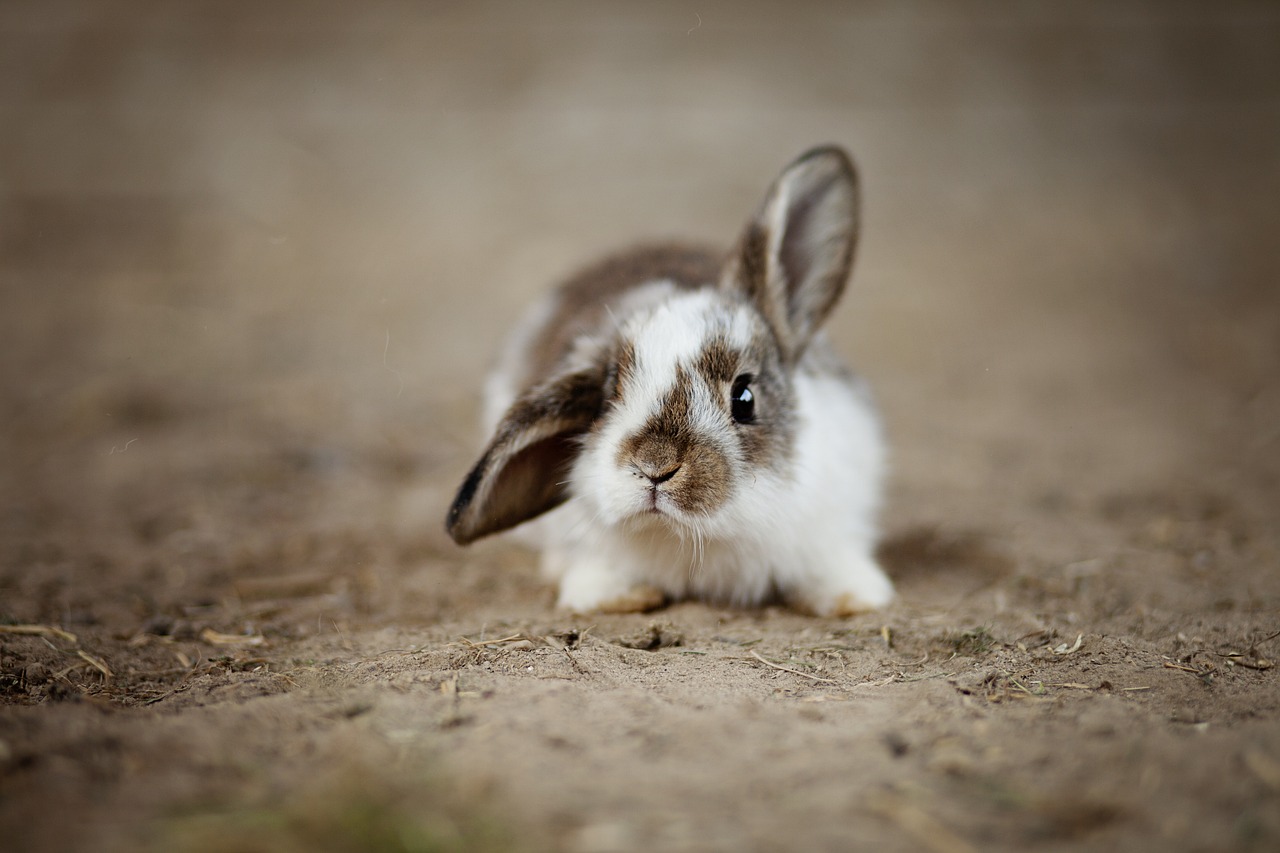
Rabbit breeding can look simple because rabbits reproduce quickly, but successful breeding involves much more than putting a male and female together.
A good breeding programme requires:
- Healthy breeding stock
- Correct timing
- Suitable housing
- Proper nutrition
- Accurate records
- Safe nest preparation
- Careful monitoring of the doe and kits
- A plan for the young rabbits after weaning
Breeding too quickly, using unhealthy animals or producing more rabbits than the farm can feed and house can lead to poor growth, weak litters and financial losses.
This guide explains rabbit breeding step by step for beginners while keeping animal welfare and practical farm management in mind.
Decide Why You Want to Breed Rabbits
Before selecting breeding animals, have a clear purpose.
Rabbits may be bred for:
- Meat production
- Breeding stock
- Farm expansion
- Pet homes
- Breed improvement
Your goal affects which rabbits should be selected.
A meat farmer may concentrate on:
- Growth
- Litter survival
- Feed efficiency
- Mothering ability
Someone breeding recognised rabbit breeds may pay more attention to:
- Breed characteristics
- Pedigree
- Body type
- Coat
- Genetic history
Avoid breeding rabbits simply because a male and female are available.
Every litter requires additional:
- Housing
- Feed
- Water
- Cleaning
- Health care
Make sure you can care for the offspring before producing them.
Choose Healthy Breeding Stock
The quality of the parents has a major influence on the breeding programme.
Do not knowingly breed rabbits that are:
- Seriously underweight
- Obese
- Chronically ill
- Showing severe dental problems
- Poorly developed
- Suffering from active infectious disease
Look for animals that are:
- Alert
- Active
- Eating normally
- Producing normal droppings
- Moving comfortably
- In good body condition
The eyes and nose should be clean, and breathing should be quiet and comfortable.
Check the Teeth
Inherited dental problems should be taken seriously.
A rabbit with severe inherited malocclusion should generally not be selected for breeding.
Look at the front teeth where possible.
They should meet normally rather than:
- Crossing
- Growing sideways
- Protruding excessively
Cheek teeth cannot be properly assessed at home, so veterinary examination may be needed if dental disease is suspected.
Check the Feet and Legs
Breeding rabbits need sound movement.
Avoid selecting animals with serious:
- Leg deformities
- Chronic sore hocks
- Severe mobility problems
A breeding doe will carry additional weight during pregnancy and needs to move comfortably.
Know the Rabbit’s History
Where possible, ask about:
- Age
- Parents
- Previous litters
- Litter sizes
- Kit survival
- Health problems
- Growth
- Previous diet
Good breeding decisions are easier when records are available.
Avoid Close Inbreeding
Beginners should generally avoid breeding close relatives such as:
- Brother to sister
- Father to daughter
- Mother to son
unless operating a deliberate genetic programme with sufficient knowledge.
Repeated close breeding can increase the chance that harmful inherited traits become more obvious.
When buying breeding stock, ask whether the buck and does are related.
At What Age Can Rabbits Breed?
Sexual maturity depends partly on breed and size.
According to the MSD Veterinary Manual, small breeds may become sexually mature at around 3.5 to 4 months, medium breeds around 4 to 4.5 months, while giant breeds may mature much later, sometimes around 6 to 9 months.
However, becoming sexually mature does not automatically mean a rabbit should be bred immediately.
The rabbit should also have:
- Healthy body development
- Good body condition
- Appropriate adult size
- No major health problem
For a beginner, rushing a very young doe into pregnancy offers little advantage.
Larger Breeds Usually Mature Later
A small rabbit breed may reach maturity before a large meat or giant breed.
This is why using one exact breeding age for every rabbit is misleading.
Breed, size and physical development should all be considered.
If unsure whether a rabbit is mature enough to breed, ask an experienced rabbit breeder or veterinarian.
How to Tell a Buck From a Doe
Correct sex identification is essential.
A male rabbit is called a buck.
A female rabbit is called a doe.
Sexing very young rabbits can be difficult for beginners.
Do not rely only on:
- Behaviour
- Body size
- Head shape
The genital area needs to be examined correctly.
If you are uncertain, have the rabbit sexed by an experienced person or veterinarian.
A single sexing mistake can result in an unexpected pregnancy.
Keep Bucks and Does Separately
Adult breeding bucks and does should not simply live together permanently.
Keeping them together can lead to:
- Unplanned pregnancies
- Repeated mating
- Fighting
- Difficulty knowing the breeding date
Controlled mating makes record keeping much easier.
Bucks should also normally be housed separately from other intact adult males because serious fighting can occur.
One Buck Can Serve Several Does
A beginner does not need one male for every female.
A healthy mature buck can breed with several does when mating is properly managed.
MSD notes that ratios around one buck for several does are routinely used in commercial production.
For a small beginner farm, one good buck may therefore be enough for several females.
Buying unnecessary males only increases:
- Feed costs
- Housing requirements
- Fighting risk
Take the Doe to the Buck
For controlled mating, the doe is normally taken to the buck’s enclosure, not the other way around.
Female rabbits can be territorial.
Placing the buck in the doe’s enclosure may cause:
- Fighting
- Distraction
- Delayed mating
The buck is usually more confident in his own space.
Remove:
- Loose objects
- Feed bowls
- Anything that interferes with mating
before introducing the doe.
Observe the Mating
Do not place the rabbits together and leave them unsupervised for hours.
Watch what happens.
The buck may:
- Approach the doe
- Mount
- Mate
After successful mating, the buck may suddenly fall or roll to one side.
This is commonly observed and does not normally mean he has been injured.
Once mating has taken place, separate the rabbits.
What if the Doe Refuses the Buck?
Not every introduction results in mating.
The doe may:
- Run away
- Sit down firmly
- Become aggressive
- Refuse to lift her hindquarters
Do not force the animals together physically.
Try again later.
Possible reasons for refusal include:
- Poor receptivity
- Stress
- Heat
- Poor health
- Pregnancy
- Obesity
If a doe repeatedly refuses mating, review her health and condition.
Hot Weather Can Affect Breeding
Heat deserves special attention in tropical climates.
FAO rabbit-production guidance notes that sexual activity and fertility can fall during high temperatures.
Heat can affect both:
- Bucks
- Does
For farms in warm climates, breeding during the cooler part of the day may be more successful.
Early morning is often preferable to the hottest afternoon hours.
Most importantly, provide:
- Shade
- Good airflow
- Clean water
- Cool housing
throughout the year.
Breeding management cannot compensate for severe heat stress.
Record the Mating Date
Write down the mating date immediately.
Do not rely on memory.
A simple breeding record should include:
- Doe identification
- Buck identification
- Mating date
- Pregnancy check
- Expected kindling date
- Actual kindling date
- Number born
- Number born alive
- Number surviving
- Weaning result
Once you know the mating date, pregnancy management becomes much easier.
How Long Is a Rabbit Pregnant?
Rabbit pregnancy normally lasts around 31 to 33 days.
This means a doe bred on the first day of a month will usually give birth near the beginning of the following month.
Do not expect every doe to kindle on exactly day 31.
Small variations are normal.
A breeding calendar is very useful.
How Can You Tell if a Rabbit Is Pregnant?
Pregnancy may not be obvious during the early stages.
Possible later signs include:
- Increasing body weight
- Behaviour changes
- Nest building
- Fur pulling
However, fur pulling and nesting usually happen close to birth and are not reliable early pregnancy tests.
Pregnancy Palpation Requires Skill
An experienced person may be able to detect developing embryos by gentle abdominal palpation around day 10 to 14, with MSD describing around day 12 as a useful time.
Beginners should not repeatedly squeeze a pregnant rabbit’s abdomen trying to feel kits.
Poor technique can cause injury.
If pregnancy confirmation is important, ask:
- A veterinarian
- An experienced breeder
to demonstrate the correct method.
False Pregnancy Can Occur
A doe may behave as though she is pregnant even when she is not.
This is known as pseudopregnancy or false pregnancy.
She may:
- Build a nest
- Pull fur
- Become territorial
without producing kits.
This is one reason nest-building behaviour alone does not prove pregnancy.
Feed the Pregnant Doe Properly
Pregnancy increases nutritional requirements, particularly as the litter develops.
The doe needs:
- Reliable fibrous feed
- Appropriate balanced nutrition
- Continuous clean water
Do not suddenly change the diet because she has been bred.
Sudden feed changes can disturb digestion.
A pregnant doe should remain in good condition without becoming excessively fat.
Water Is Especially Important
Never allow a pregnant or nursing doe to run out of water.
Milk production creates a major demand for water after kindling.
Check:
- Bowls
- Bottles
- Nipple systems
every day.
A blocked nipple can leave a rabbit without water even when the tank appears full.
Prepare the Nest Box at the Right Time
The nest box should generally be provided around day 28 or 29 after mating.
Providing it too early may encourage the doe to:
- Urinate inside
- Defecate inside
- Use it as an ordinary sleeping area
MSD specifically recommends introducing the nest box around this stage of pregnancy.
What Makes a Good Nest Box?
The box should be:
- Dry
- Clean
- Protected from rain
- Easy to inspect
- Large enough for the doe and litter
- Small enough to help kits remain together
Suitable nesting materials may include clean:
- Hay
- Straw
- Appropriate bedding
The doe will usually add her own fur.
In hot climates, make sure the nest box does not sit in direct sunlight or become poorly ventilated.
Signs That Kindling Is Getting Close
Giving birth in rabbits is called kindling.
As kindling approaches, the doe may:
- Build a nest
- Carry bedding
- Pull fur
- Become more territorial
- Spend more time near the nest
Not every doe behaves exactly the same way.
Some experienced does may build an excellent nest very close to delivery.
Fur Pulling Is Usually Normal
A pregnant doe often pulls fur from areas such as her chest and abdomen to line the nest.
This is normal nesting behaviour.
The fur helps:
- Insulate the kits
- Keep them together
- Maintain warmth
Do not remove clean nest fur simply because it looks like the doe is losing hair.
When Should You Worry Before Birth?
Seek veterinary advice if the pregnant doe develops serious symptoms such as:
- Complete appetite loss
- Collapse
- Severe weakness
- Heavy bleeding
- Severe breathing difficulty
- Obvious prolonged distress
Do not assume every illness near the expected birth date is simply normal labour.
What Happens During Kindling?
Many does give birth quickly and without human assistance.
Kindling often occurs during quiet periods.
The mother normally:
- Gives birth
- Cleans the kits
- Removes fetal membranes
- Eats the placenta
- Covers the litter
The farmer may not witness the event at all.
Avoid repeatedly disturbing the doe while she is actively giving birth unless there is a clear problem.
Check the Nest After Birth
Once the doe has settled, inspect the nest calmly.
Check for:
- Live kits
- Dead kits
- Kits outside the nest
- Wet bedding
- Blood beyond what appears reasonable
- Injured kits
Remove clearly dead kits.
Place healthy kits that have crawled out back into the nest carefully.
A daily nest check helps identify problems early.
Newborn Rabbits Look Very Different From Adults
Rabbit kits are born:
- Hairless or nearly hairless
- Blind
- Deaf
Hair begins appearing within the first few days.
The eyes and ears normally open at around 10 days of age.
Very young kits cannot regulate body temperature effectively, so keeping them together in a suitable nest is important.
The Doe Will Not Sit With the Kits All Day
This worries many first-time breeders.
A mother rabbit normally spends much of her time away from the nest.
This is normal behaviour.
RSPCA guidance explains that does show relatively little obvious maternal attention compared with animals such as dogs and cats.
A doe may nurse only briefly and then leave the nest.
Do not assume she has abandoned the litter simply because she is not constantly lying with the kits.
How Can You Tell if the Kits Are Being Fed?
Healthy fed kits are generally:
- Warm
- Active when disturbed
- Rounded rather than deeply wrinkled
- Resting together
A kit that is:
- Cold
- Weak
- Constantly restless
- Very thin
- Wrinkled
may not be receiving enough milk.
If the entire litter appears unfed, check the doe and seek experienced or veterinary assistance.
Do Not Constantly Handle Newborn Kits
Daily inspection is useful, but unnecessary repeated handling should be avoided.
Handle kits gently and only as needed during the earliest days.
Keep the nest:
- Dry
- Clean
- Undisturbed
as much as possible.
From around 10 days onward, gentle positive handling can be introduced gradually where appropriate.
What if a Kit Falls Out of the Nest?
A young kit outside the nest can lose body heat quickly.
Place it back with the litter if it is otherwise healthy.
If the kit feels very cold or unresponsive, warming needs to be gradual and careful.
Severely weak newborns need experienced or veterinary help.
Do not place a newborn directly against a very hot object.
What if the Doe Has Too Many Kits?
Some does produce more kits than they can successfully nurse.
Where several does give birth at approximately the same time, experienced breeders may sometimes cross-foster kits to another doe with a smaller litter.
MSD notes that fostering is most successful during the first few days after birth.
This is an advanced management technique.
The receiving doe should:
- Have kits of similar age
- Be healthy
- Have enough milk
- Have room in the nest
Beginners should seek experienced guidance before moving kits between litters.
Hand-Rearing Orphaned Kits Is Difficult
If a doe dies or genuinely cannot nurse, hand-rearing may be considered.
However, orphaned rabbit kits are difficult to raise successfully.
Do not assume ordinary cow’s milk or human baby formula is suitable.
Contact:
- A rabbit-experienced veterinarian
- An experienced rabbit breeder or rehabilitator
for guidance.
Where a suitable nursing doe is available, fostering may sometimes offer a better chance than artificial feeding.
When Do Baby Rabbits Start Eating Solid Food?
Kits begin exploring the nest and their surroundings as they grow.
Hay can be made available from around 10 days of age, according to RSPCA guidance.
They gradually begin sampling the same foods available to the mother.
Milk remains important during the early weeks.
Young rabbits should not suddenly receive large quantities of unfamiliar:
- Vegetables
- Pellets
- Treats
Their digestive system is still developing.
Weaning Needs Care
Weaning is the transition from mother’s milk to independent feeding.
This is a sensitive period for the digestive system.
For pet and welfare-focused care, kits are generally kept with their mother until around eight weeks of age, when they should be fully independent.
Some commercial production systems historically wean earlier, sometimes around four to six weeks.
However, early weaning requires:
- Excellent nutrition
- Strong hygiene
- Careful management
- Experience
A beginner should not copy an intensive commercial schedule simply to increase the number of litters.
Allowing kits more time with the doe is a simpler and more conservative approach.
Avoid Sudden Diet Changes at Weaning
One of the worst times to make a major feed change is immediately after removing kits from their mother.
Weaning itself is already stressful.
Keep the diet stable.
Provide:
- Suitable hay or fibrous forage
- Clean water
- Appropriate young-rabbit feed
Introduce any new food gradually.
Monitor droppings closely.
True diarrhoea in a young rabbit requires prompt attention.
When Should Young Rabbits Be Separated by Sex?
Young rabbits need to be sexed accurately before they become capable of breeding.
Recheck the sex as they grow because mistakes are common when kits are very young.
Opposite-sex young rabbits should be separated before sexual maturity.
The exact timing varies according to breed and development.
If there is any doubt about sex, get experienced help.
Do not wait for an accidental litter to confirm that one rabbit was actually male.
Watch Young Males for Fighting
Male siblings that lived peacefully together as kits may begin fighting as puberty approaches.
Watch for:
- Chasing
- Biting
- Mounting
- Fur pulling
- Serious aggression
Do not assume they will always remain compatible because they grew up together.
When Should the Doe Be Bred Again?
This is one of the most important decisions in breeding management.
Biologically, a rabbit can become pregnant again very soon after giving birth.
That does not mean immediate rebreeding is the best choice for a beginner.
Pregnancy and milk production both require significant:
- Energy
- Protein
- Nutrients
Repeatedly breeding a doe without adequate recovery can cause:
- Weight loss
- Poor body condition
- Lower fertility
- Poor litter performance
For beginner and small-scale systems, allowing the doe to finish raising her litter and recover appropriately before the next mating is a sensible approach.
Avoid Maximum-Production Breeding Schedules at First
Intensive commercial rabbit systems sometimes breed does again soon after kindling.
These systems require:
- Carefully formulated feed
- Strong health monitoring
- Excellent housing
- Experienced management
They should not be copied simply because they appear to produce more litters.
More pregnancies do not automatically mean more profitable rabbits.
A doe in poor condition may:
- Produce fewer viable kits
- Nurse poorly
- Become ill
- Leave the breeding programme early
Sustainable production matters more than the maximum theoretical number of litters.
Check the Doe’s Body Condition
Before rebreeding, look at:
- Weight
- Appetite
- Coat
- Movement
- General condition
A doe that has lost excessive weight should recover before another pregnancy.
Review:
if she is struggling to maintain weight.
When Should a Rabbit Be Removed From the Breeding Programme?
Not every rabbit should remain a breeder indefinitely.
Reasons to reconsider breeding include:
- Repeated infertility
- Repeated pregnancy loss
- Poor mothering
- Repeated severe illness
- Serious inherited defects
- Chronic poor body condition
- Consistently poor litter survival
- Age-related health decline
One unsuccessful litter does not automatically make a doe a poor breeder.
Look for patterns over time.
Keep Detailed Breeding Records
Good records are one of the most valuable tools on a rabbit farm.
Give every breeder an identification number or name.
For each doe, record:
- Date bred
- Buck used
- Pregnancy result
- Kindling date
- Number born
- Number born alive
- Number surviving after the first week
- Number weaned
- Health problems
- Body condition
For bucks, record:
- Does served
- Successful matings
- Fertility problems
- Offspring performance
These records help identify which animals are actually improving the farm.
Litter Size Alone Does Not Define a Good Doe
A doe that gives birth to 12 kits but raises only four is not automatically better than a doe that gives birth to seven and successfully raises all seven.
Look at:
kits successfully weaned, not only kits born.
Other important qualities include:
- Milk production
- Nest building
- Kit growth
- Health
- Fertility
- Longevity
Select Replacement Breeders Carefully
Do not keep a young rabbit as a future breeder only because it is the largest kit in the litter.
Consider the whole family.
Good replacement stock should ideally come from parents with:
- Reliable fertility
- Good litter survival
- Healthy teeth
- Sound feet and legs
- Good growth
- Good temperament
Keep records so selection is based on performance rather than appearance alone.
Do Not Breed Rabbits With Active Disease
Delay breeding if the rabbit has signs such as:
- Diarrhoea
- Respiratory infection
- Severe mange
- Significant wounds
- Major weight loss
Treat or investigate the health problem first.
Introducing a sick rabbit into another rabbit’s enclosure may also spread disease.
Quarantine New Breeding Stock
New breeders should not immediately enter the main rabbitry.
A quarantine or observation period can help detect:
- Sneezing
- Nasal discharge
- Mange
- Diarrhoea
- Ear problems
- Poor appetite
Use separate equipment where practical.
Buying one new breeder should not introduce disease to the entire farm.
Nutrition Has a Major Effect on Breeding
Poor feeding can reduce:
- Fertility
- Milk production
- Growth
- Kit survival
The feeding programme should provide adequate:
- Fibre
- Protein
- Energy
- Minerals
- Vitamins
according to the rabbit’s production stage.
A nursing doe with a large litter has much higher requirements than an inactive adult.
Our How to Feed a Rabbit Properly and Best Local Foods and Forage for Rabbits guides explain nutrition in more detail.
Obesity Can Also Affect Breeding
More feed is not always better.
Overweight rabbits can have:
- Reduced activity
- Poor breeding performance
- Difficulty grooming
- Other health problems
Breeding animals should be maintained in suitable body condition.
Heat Management Matters
Hot weather can affect:
- Fertility
- Mating behaviour
- Feed intake
- Pregnancy
- Milk production
This is particularly important in tropical rabbit farming.
Provide:
- Permanent shade
- Ventilation
- Continuous water
- Protection from direct afternoon sun
Where practical, schedule mating during cooler periods of the day.
Our How to Keep Rabbits Cool in Hot African Weather guide explains heat management in more detail.
Plan Housing Before Producing Litters
Do not wait until kits are weaned before asking where they will live.
Before breeding, calculate how much space will be needed for:
- Bucks
- Does
- Pregnant does
- Nursing litters
- Weaned young rabbits
- Replacement breeders
- Quarantine
- Sick rabbits
Rabbit numbers can increase quickly.
Housing should expand before overcrowding begins.
Make Sure You Have a Market
For commercial rabbit farming, breeding must follow demand.
Do not produce repeated litters simply because the rabbits are capable of reproducing.
Before expanding, identify likely customers for:
- Meat rabbits
- Breeding stock
- Live rabbits
Track actual sales.
Statements such as “everybody likes rabbit meat” are not a business plan.
Our Rabbit Farming in Ghana guide explains market planning in more detail.
A Simple Breeding Cycle for Beginners
A conservative beginner breeding programme might look like this:
Choose the breeding pair
Use healthy, unrelated and appropriately mature rabbits.
Record the mating
Take the doe to the buck and note the date.
Monitor the doe
Maintain normal feeding and health checks.
Prepare the nest
Provide the nest box around day 28 or 29.
Expect kindling
Most pregnancies last around 31 to 33 days.
Check the litter
Inspect the nest after birth and then daily.
Support the nursing doe
Provide adequate food, fibre and constant water.
Monitor the kits
Watch growth, warmth, cleanliness and normal development.
Allow gradual weaning
Avoid abrupt dietary changes.
Give the doe appropriate recovery
Assess her body condition before planning another litter.
This schedule prioritises learning and welfare rather than trying to produce the maximum possible number of litters.
Common Rabbit Breeding Mistakes
Beginners should avoid:
- Breeding rabbits before they are physically mature
- Breeding unhealthy rabbits
- Buying closely related stock without knowing it
- Keeping bucks and does permanently together
- Taking the buck to a territorial doe
- Forgetting to record mating dates
- Putting the nest box in far too early
- Allowing the nest to become wet
- Assuming the doe abandoned kits because she stays away from the nest
- Constantly disturbing newborns
- Changing feed suddenly during pregnancy or weaning
- Allowing water to run out
- Rebreeding an underweight doe
- Expanding faster than housing capacity
- Producing rabbits without buyers
- Keeping poor breeding records
Frequently Asked Questions
How old should a rabbit be before breeding?
It depends on breed and size.
Small breeds mature earlier than medium and giant breeds.
Physical development and body condition should be considered in addition to age.
How long is a rabbit pregnant?
Rabbit gestation is usually around 31 to 33 days.
When should I put the nest box in?
Around day 28 or 29 after mating is commonly recommended.
How many babies can a rabbit have?
Litter size varies considerably according to:
- Breed
- Genetics
- Age
- Nutrition
- Health
Medium-sized rabbits may produce several kits in one litter, but there is no fixed number every doe will produce.
Does a rabbit need a male to become pregnant?
Yes.
However, rabbits can also experience false pregnancy, where a doe displays nesting behaviour without carrying kits.
How do I know mating was successful?
Successful mating may be observed, but it does not guarantee pregnancy.
Pregnancy confirmation through skilled palpation or veterinary examination is more reliable.
Should the buck stay with the doe after mating?
No.
For controlled breeding, separate them after mating.
This makes pregnancy timing easier to track and reduces the risk of fighting or uncontrolled breeding.
Why is my pregnant rabbit pulling out her fur?
Fur pulling close to kindling is normally part of nest building.
The doe uses the fur to insulate her kits.
Why doesn’t the mother stay with her babies?
This is normal rabbit behaviour.
Does usually spend much of the day away from the nest and return briefly to nurse.
When do baby rabbits open their eyes?
Usually at about 10 days old.
When can baby rabbits eat hay?
Safe hay can be made available from around 10 days of age, and kits gradually begin nibbling it as they develop.
When should baby rabbits leave their mother?
For pet and welfare-focused care, keeping kits with the doe until around eight weeks is a conservative approach.
Commercial systems may use different schedules under experienced management.
Can a rabbit become pregnant immediately after giving birth?
Yes.
A doe can become fertile again very soon after kindling.
For beginners, this does not mean she should automatically be rebred immediately.
How many does can one buck breed?
One healthy buck can serve several does.
A small rabbit farm therefore usually does not need equal numbers of bucks and does.
How often should a doe be bred?
There is no single schedule suitable for every farm.
It depends on:
- Health
- Body condition
- Nutrition
- Management system
- Litter performance
Beginners should prioritise recovery and sustainable production rather than maximum breeding frequency.
Can brother and sister rabbits breed?
Yes, biologically they can.
However, beginners should avoid close inbreeding because it can increase the expression of harmful inherited traits.
Why did my rabbit build a nest but have no babies?
False pregnancy can cause:
- Nest building
- Fur pulling
- Territorial behaviour
even when the doe is not pregnant.
Should I help the rabbit give birth?
Most does give birth without assistance.
Avoid unnecessary intervention.
If the doe shows severe distress, heavy bleeding, collapse or another serious problem, contact a veterinarian.
Final Thoughts
Successful rabbit breeding depends on much more than reproduction.
A good breeder needs to manage:
- Healthy breeding stock
- Correct mating
- Accurate records
- Pregnancy nutrition
- Nest preparation
- Newborn care
- Safe weaning
- Doe recovery
- Housing capacity
- Market demand
Rabbit pregnancy normally lasts around 31 to 33 days, and a nest box should generally be introduced around day 28 or 29.
After kindling, remember that a doe spending most of her time away from the litter is usually normal.
Monitor the kits rather than forcing the mother to remain inside the nest.
For beginners, avoid extremely intensive breeding schedules.
A rabbit may be physically capable of becoming pregnant again soon after giving birth, but repeatedly overlapping pregnancy and lactation can place heavy demands on the doe.
Good body condition and healthy surviving kits are more important than producing the highest possible number of litters.
Most importantly, keep records.
Over time, those records will show which rabbits consistently produce:
- Healthy litters
- Good survival
- Strong growth
- Reliable fertility
That information allows a rabbit farm to improve from one generation to the next.
Sources and Further Reading
- MSD Veterinary Manual — Management of Rabbits
- RSPCA — Pregnant Rabbits and Caring for Baby Rabbits
- Food and Agriculture Organization — The Rabbit: Husbandry, Health and Production
- Food and Agriculture Organization — Breeding and Feeding Rabbits
- Rabbit Welfare Association & Fund — Rabbit Welfare and Reproduction Guidance
This article provides general educational information. Difficult birth, severe bleeding, collapse, complete appetite loss, serious illness or problems affecting newborn kits require appropriate veterinary attention.
