

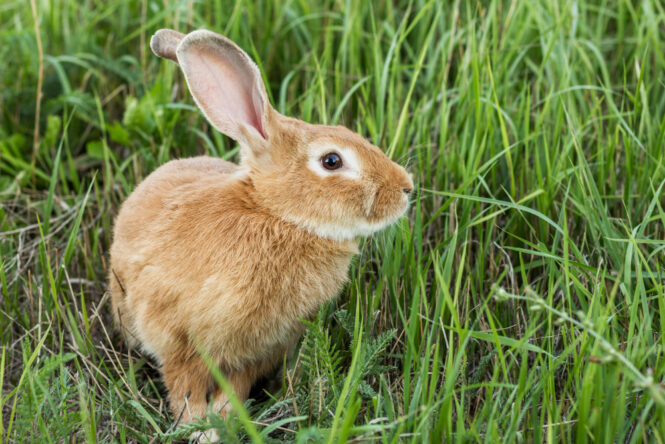
Bringing a rabbit home can be exciting, but rabbits need much more than a cage, food and water.
They are active, social and intelligent animals with specific needs relating to diet, housing, exercise, companionship, grooming and health care. Understanding these rabbit care basics before bringing a rabbit home can prevent many common problems later.
Rabbits are also a long-term responsibility. A well-cared-for pet rabbit can commonly live for around 8 to 12 years, and some live even longer. Anyone considering keeping rabbits should therefore think carefully about the time, space, veterinary care and daily attention they will need.
Whether you already have a rabbit or are preparing for your first one, these essential tips will help you build a safer and healthier routine.
1. Give Your Rabbit Plenty of Space
One of the biggest mistakes new rabbit owners make is keeping a rabbit permanently inside a small cage.
Rabbits need enough room to perform normal movements such as:
- Hopping
- Running
- Stretching out fully
- Standing upright
- Exploring
- Playing
- Resting comfortably
A hutch can provide a sleeping and sheltered area, but it should not be the rabbit’s entire world.
A larger exercise enclosure, secure pen or properly rabbit-proofed indoor area gives rabbits more opportunity to move naturally.
For indoor rabbits, protect them from hazards such as:
- Electrical cables
- Toxic plants
- Cleaning chemicals
- Small objects that can be swallowed
- Unsafe furniture
- Exposed wires
- Open doors leading outside
Rabbits naturally chew, so electrical cables are particularly dangerous.
Outdoor housing must also protect rabbits from predators, direct sunlight, rain, excessive heat and other weather conditions.
2. Provide Safe and Comfortable Flooring
The floor of a rabbit’s main living area should provide comfortable support.
Rabbits should not be expected to spend their lives standing on exposed wire flooring.
Poor flooring can contribute to foot problems, particularly when combined with excess body weight, poor hygiene or long periods of inactivity.
Provide a solid, non-slip resting area where the rabbit can sit and stretch comfortably.
Suitable surfaces depend on the housing setup, but they should be:
- Dry
- Clean
- Comfortable
- Non-toxic
- Easy to maintain
- Free from sharp edges
The sleeping area should also remain dry and protected from rain or moisture.
Outdoor housing should have good drainage so water does not collect around the enclosure.
3. Make Hay or Grass the Foundation of the Diet
Diet is one of the most important parts of rabbit care.
Good-quality hay and/or suitable grass should make up the majority of an adult rabbit’s diet and generally be available throughout the day.
Hay is important because it provides fibre that supports normal digestive function.
The chewing required to eat fibrous food also helps with natural tooth wear because rabbit teeth grow continuously.
Good hay should generally be:
- Fresh
- Dry
- Free from mould
- Free from excessive dust
- Stored somewhere dry
Do not feed hay that smells mouldy or has become wet and spoiled.
Adult pet rabbits are commonly fed grass hays such as timothy hay, depending on availability and individual nutritional needs.
Young, pregnant, nursing or medically affected rabbits can have different nutritional requirements, so their diets may need professional guidance.
4. Feed Greens and Pellets Appropriately
Hay is important, but it is not necessarily the only food in a balanced pet-rabbit diet.
Appropriate leafy greens can provide nutritional variety.
Depending on local availability and what the rabbit is already accustomed to, suitable greens may include certain leafy vegetables and herbs.
However, introduce unfamiliar foods gradually.
Suddenly giving a rabbit large amounts of a food it has never eaten before can disturb the digestive system.
Pellets can also form part of the diet, but for most healthy adult pet rabbits they should not replace unlimited appropriate hay or grass.
Choose good-quality rabbit pellets rather than sugary mixes containing colourful pieces, seeds or large amounts of cereal.
Portion requirements depend on factors such as:
- Age
- Weight
- Health
- Breed
- Activity
- Reproductive status
If you are unsure how much to feed, consult a rabbit-experienced veterinarian for guidance appropriate to your rabbit.
5. Limit Sugary Treats
Rabbits may enjoy sweet foods, but enjoying something does not mean they should eat large amounts of it.
Fruit such as banana, apple or strawberry should generally be treated as an occasional food rather than a major part of the daily diet.
Avoid routinely feeding rabbits:
- Chocolate
- Sweets
- Biscuits
- Cake
- Sugary breakfast cereals
- Human snack foods
Do not assume that every vegetable, fruit, leaf or plant is safe simply because it is natural.
Some plants and foods can be harmful.
Check a reliable rabbit-care or veterinary source before feeding an unfamiliar plant.
This is particularly important for rabbit owners who collect grasses, leaves or other forage locally.
6. Provide Fresh Drinking Water at All Times
Rabbits need continuous access to clean drinking water.
Check water at least daily and more frequently during hot weather.
A heavy ceramic bowl can work well because it allows natural drinking and is difficult to tip when properly chosen.
Some rabbits are accustomed to drinking bottles, so owners may also use bottles or provide both options.
Whatever system you choose, check it regularly.
Bottle valves can become blocked, bowls can become dirty, and water can run out unexpectedly.
During hot weather in Ghana and other tropical environments, water availability becomes particularly important.
Keep drinking water:
- Clean
- Fresh
- Out of direct sunlight
- Easily accessible
If several rabbits share an enclosure, make sure all of them can reach water without one rabbit preventing the others from drinking.
7. Understand Rabbit Behaviour
Rabbits communicate differently from dogs and cats.
Learning their body language helps you understand when they are relaxed, frightened, excited or uncomfortable.
A comfortable rabbit may:
- Stretch out
- Rest with a loose body posture
- Explore
- Groom
- Approach familiar people
- Perform energetic jumps or turns sometimes called binkies
- Lie on its side in a relaxed position
A rabbit that feels threatened may:
- Hide
- Freeze
- Thump its hind feet
- Crouch tensely
- Run away
- Become defensive
One behaviour should not always be interpreted in isolation.
For example, hiding is a completely normal rabbit behaviour because rabbits naturally need secure places to retreat.
It becomes more concerning when a normally active rabbit suddenly hides constantly and also stops eating or behaves differently.
Knowing your individual rabbit’s normal routine is extremely useful.
8. Let Your Rabbit Build Trust at Its Own Pace
Many rabbits do not enjoy being repeatedly picked up and carried.
As prey animals, being lifted off the ground can feel frightening.
For everyday bonding, it is often better to sit or kneel near the rabbit and allow it to approach you.
You can:
- Sit quietly nearby
- Speak calmly
- Offer suitable food from your hand
- Allow the rabbit to investigate you
- Gently stroke it when it appears comfortable
Avoid chasing a rabbit around its enclosure just to pick it up.
Do not punish a frightened rabbit for hiding, thumping, scratching or attempting to escape.
Trust develops through predictable and gentle interaction.
You will still need to learn how to handle a rabbit safely for situations such as health checks, transportation and veterinary visits.
Because rabbits have powerful hind legs and relatively delicate bodies, incorrect handling can cause injury.
If you are unsure how to lift and support a rabbit safely, ask a rabbit-experienced veterinarian or animal-care professional to demonstrate.
9. Provide Exercise and Enrichment
Rabbits need both physical exercise and mental stimulation.
An empty cage with food and water is not an enriching environment.
Useful activities can include:
- Tunnels
- Cardboard boxes
- Safe chew toys
- Digging areas
- Platforms
- Hay-filled cardboard tubes
- Foraging opportunities
- Safe branches for chewing
- Places to hide
Foraging is particularly useful because it encourages rabbits to search for food rather than receiving everything from one bowl.
You can hide small portions of appropriate food around a safe enclosure or place hay inside cardboard tubes and boxes.
Always make sure enrichment materials are safe to chew.
Remove damaged objects if they become hazardous.
Give the rabbit enough room to move away from a new item if it becomes frightened.
10. Keep the Living Area Clean
Rabbit housing needs regular cleaning.
Remove heavily soiled litter, wet bedding, spoiled food and other waste before it accumulates.
Toilet areas generally require more frequent cleaning than the entire enclosure.
Cleaning helps control:
- Flies
- Odour
- Moisture
- Dirty fur
- Parasites
- Harmful environmental conditions
However, excessive cleaning with strong-smelling chemicals can also be stressful or unsafe.
Use rabbit-safe cleaning methods and ensure surfaces are dry before rabbits return.
Avoid leaving rabbits around strong fumes.
During hot weather, sanitation becomes particularly important because flies can become more active.
Rabbit owners should regularly inspect the area underneath the tail for dirt, wetness, faecal material, fly eggs or maggots.
Flystrike is a veterinary emergency.
11. Groom Your Rabbit Regularly
Rabbits groom themselves, but they still need help maintaining their coat and nails.
Regular brushing removes loose hair, particularly during moulting periods.
Long-haired rabbits usually require more frequent grooming because their coats can become tangled or matted.
Check:
- Coat
- Skin
- Nails
- Feet
- Ears
- Rear end
Nails should not be allowed to become excessively long.
If you are not confident trimming them, ask a veterinarian or experienced rabbit-care professional for help.
Should You Bathe a Rabbit?
Routine full-body bathing is generally unnecessary and can be stressful.
Do not place a rabbit into a bath simply because its coat looks slightly dirty.
If a rabbit repeatedly becomes dirty around the rear, there may be an underlying problem such as:
- Obesity
- Dental disease
- Arthritis
- Poor diet
- Urinary problems
- Digestive problems
The cause should be investigated.
For minor dirt, appropriate spot cleaning may sometimes be enough. If extensive cleaning is necessary, ask a veterinarian how to do it safely.
12. Monitor Eating and Droppings Every Day
One of the easiest health checks you can perform is simply observing whether the rabbit is eating and producing normal droppings.
Pay attention every day.
A sudden change in:
- Appetite
- Water intake
- Dropping size
- Dropping quantity
- Behaviour
- Activity
may indicate a problem.
A rabbit that suddenly stops eating should not simply be left for several days to see what happens.
Rabbit digestive systems depend on regular food intake.
Loss of appetite accompanied by few or no droppings requires prompt veterinary attention.
13. Learn the Common Warning Signs of Illness
Rabbits can hide illness, so subtle changes matter.
Possible warning signs include:
- Reduced appetite
- No appetite
- Fewer or no droppings
- Unusual lethargy
- Persistent hiding
- Drooling
- Runny eyes
- Nasal discharge
- Difficulty breathing
- Weight loss
- Difficulty walking
- Head tilt
- Severe diarrhoea
- Swelling
- Sudden aggression
- Dirty fur around the rear
These signs can have many possible causes.
An online article cannot diagnose your rabbit.
If something changes significantly, contact a qualified veterinarian experienced with rabbits.
Difficulty breathing, collapse, severe injury, complete loss of appetite, severe diarrhoea or other serious symptoms should be treated urgently.
14. Find a Rabbit-Experienced Veterinarian Before an Emergency
Do not wait until your rabbit becomes seriously ill before trying to find a veterinarian who can treat rabbits.
Locate an appropriate veterinary clinic in advance.
Ask whether the veterinarian regularly treats rabbits.
Keep the clinic’s contact information somewhere easy to find.
Veterinary care may include:
- Routine health examinations
- Dental checks
- Parasite assessment
- Treatment of illness or injury
- Neutering
- Vaccination where appropriate and available
- Advice about diet and weight
Preventive veterinary recommendations can vary by country.
Rabbit owners in Ghana should discuss locally relevant disease risks and available preventive care with a qualified veterinarian.
15. Consider Neutering
For pet rabbits that are not intended for responsible breeding, discuss neutering with a rabbit-experienced veterinarian.
Neutering can provide health and behavioural benefits and is often an important part of successfully keeping compatible male and female rabbits together.
Unneutered rabbits can also display stronger territorial and reproductive behaviours.
The appropriate timing depends on the rabbit’s sex, age, health and veterinary assessment.
Do not schedule surgery solely based on a general age found online. Have the individual rabbit assessed first.
16. Rabbits Need Appropriate Companionship
Rabbits are social animals.
Human interaction is valuable, but people do not communicate and behave exactly like another rabbit.
Where possible and appropriate, pet rabbits can benefit from living with a compatible rabbit companion.
However, rabbits should not simply be placed together without preparation.
Poor introductions can lead to serious fighting.
Bonding should be carried out carefully and may involve:
- Appropriate neutering
- Gradual introductions
- Neutral territory
- Close observation
- Enough food and water resources
- Enough hiding spaces
- Enough room for rabbits to move apart
A compatible bonded pair can eat, rest, groom and interact together.
If a rabbit must live alone for a particular reason, it needs frequent appropriate social interaction and enrichment.
17. Protect Rabbits From Heat
This deserves special attention for rabbit owners in Ghana and other hot climates.
Rabbits are sensitive to excessive heat.
Outdoor housing should provide:
- Permanent shade
- Strong ventilation
- Fresh drinking water
- Protection from afternoon sunlight
- Cool resting areas
- Good drainage
Never place an outdoor hutch where the rabbit is trapped in direct sun.
Remember that shade moves throughout the day.
A location that is shaded in the morning may receive intense sunlight later.
During particularly hot conditions, additional cooling measures may be necessary.
SimpleTipsGH has separate guides covering rabbit heat management and tropical rabbit housing in greater detail.
18. Protect Outdoor Rabbits From Predators
Outdoor rabbits also need protection from animals that may attempt to enter their enclosure.
Depending on your location, predators may include:
- Dogs
- Cats
- Snakes
- Birds of prey
- Other wildlife
Use strong predator-resistant materials and secure doors.
Ordinary weak chicken wire should not be treated as sufficient predator protection for permanent rabbit housing.
Inspect the enclosure regularly for:
- Broken mesh
- Loose doors
- Gaps
- Digging
- Damaged latches
SimpleTipsGH also has a detailed guide on how to snake-proof a rabbit hutch for areas where snakes are a concern.
19. Prepare for the Long-Term Commitment
Rabbits are not temporary pets.
Pet rabbits commonly live around 8 to 12 years, and some live longer.
Before bringing rabbits home, consider whether you can provide:
- Daily care
- Suitable housing
- Enough space
- Appropriate food
- Veterinary treatment
- Companionship
- Cleaning
- Exercise
- Grooming
- Care during holidays or travel
Veterinary bills can occur unexpectedly.
Housing may also need repairs or improvements over time.
Consider these responsibilities before adopting rather than discovering them later.
First-Time Rabbit Owner Checklist
Before bringing rabbits home, make sure you have:
- A spacious and secure living area
- A sheltered resting area
- Appropriate hay or grass
- Suitable rabbit food
- Fresh drinking water
- Heavy water bowls or another reliable system
- Safe litter material
- Hiding places
- Safe chew toys
- A carrier for veterinary visits
- Grooming equipment
- A rabbit-experienced veterinarian
- A plan for hot weather
- Predator protection for outdoor housing
- Enough time for daily observation and care
Having these things prepared before the rabbit arrives makes the transition easier.
Common Rabbit Care Mistakes Beginners Should Avoid
New owners sometimes make mistakes because rabbits are mistakenly considered easy, low-maintenance pets.
Avoid:
- Keeping rabbits permanently in tiny cages
- Feeding too many pellets
- Providing too little hay
- Giving excessive sugary treats
- Making sudden diet changes
- Leaving rabbits without water
- Ignoring reduced appetite
- Ignoring changes in droppings
- Using unsafe dog or cat medications
- Picking rabbits up unnecessarily
- Providing no hiding places
- Keeping outdoor rabbits in direct sunlight
- Allowing electrical wires within reach
- Assuming rabbits need no veterinary care
- Buying two rabbits and placing them together without proper bonding
Learning before problems happen is one of the best things a new rabbit owner can do.
Rabbit Care Basics in Ghana
The basic needs of rabbits remain the same regardless of country: appropriate food, water, housing, health care, exercise, companionship and the opportunity to behave naturally.
However, rabbit owners in Ghana may need to pay particular attention to environmental conditions.
Important considerations include:
- High temperatures
- Humidity
- Rainy-season management
- Ventilation
- Reliable water supply
- Feed storage
- Flies
- Parasites
- Predator protection
- Availability of rabbit-experienced veterinary care
Tropical rabbit care should not simply copy housing systems designed for completely different climates.
Housing should be adapted to local conditions while still meeting the rabbit’s basic welfare needs.
Final Thoughts
Understanding rabbit care basics means recognising that rabbits need much more than food and a small cage.
Good rabbit care combines appropriate housing, a fibre-rich diet based mainly on hay or grass, continuous access to clean water, exercise, enrichment, companionship, grooming and regular health monitoring.
New owners should also learn their rabbit’s normal behaviour.
Knowing how much your rabbit usually eats, how active it normally is and what its droppings normally look like can help you notice illness earlier.
Most importantly, prepare for a long-term commitment.
A rabbit may be part of your household for eight years, ten years or even longer.
Taking time to understand its needs from the beginning gives you a much better chance of providing a safe, healthy and rewarding life.
Sources and Further Reading
For additional information about rabbit care and welfare, readers can consult:
- RSPCA — Rabbit housing, diet, health and companionship guidance
- Rabbit Welfare Association & Fund — Rabbit care and welfare guidance
- MSD Veterinary Manual — Rabbit housing, nutrition and health information
- Blue Cross — Rabbit care and pre-adoption guidance
This article provides general educational information and does not replace veterinary diagnosis or treatment.
