

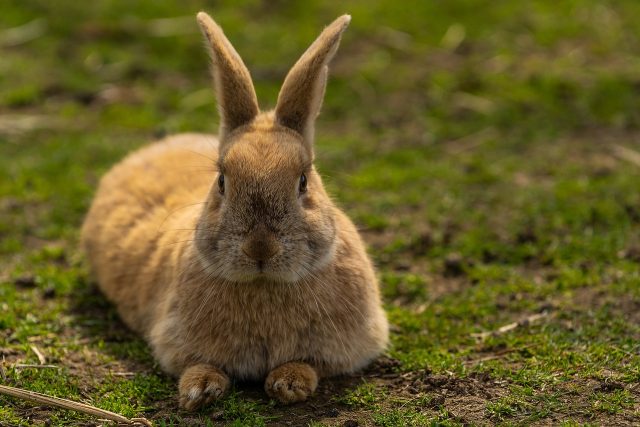
Lionhead rabbits are small, social rabbits best known for the woolly mane around their head and neck.
But how long do Lionhead rabbits live?
A typical Lionhead rabbit lifespan is around 7–9 years, although some individuals may live longer depending on genetics, diet, housing, veterinary care and general health.
A long life is never guaranteed.
However, owners can reduce many preventable health risks by providing the right diet, maintaining the Lionhead’s coat, monitoring its teeth, keeping it at a healthy weight and responding quickly when behaviour changes.
This guide explains the normal Lionhead rabbit lifespan and seven practical ways to give your rabbit the best chance of enjoying many healthy years.
How Long Do Lionhead Rabbits Live?
PetMD lists the typical lifespan of a Lionhead rabbit as approximately 7–9 years.
This is an average rather than an expiry date.
Some Lionheads may die younger because of:
- Genetic disease
- Dental problems
- Severe digestive illness
- Poor diet
- Obesity
- Heat stress
- Reproductive disease
- Injury
- Lack of veterinary care
Others may live beyond the usual range when they remain healthy and receive excellent long-term care.
Domestic rabbits generally have the potential to live many years, so getting a Lionhead should be considered a long-term commitment.
What Determines a Lionhead Rabbit’s Lifespan?
There is no single secret that makes a rabbit live longer.
Longevity is affected by several factors working together.
These include:
Genetics
Some health conditions are influenced by inherited body structure.
Lionheads can have dental problems associated with jaw and skull shape.
Diet
Poor feeding can contribute to:
- Dental disease
- Obesity
- Digestive problems
- Poor body condition
Environment
Unsafe, cramped or excessively hot housing can increase the risk of disease and injury.
Preventive Health Care
Early veterinary diagnosis can prevent a manageable problem from becoming much more serious.
Reproductive Status
Intact female rabbits have a significant risk of uterine disease as they age.
Daily Observation
Rabbits often hide illness.
An owner who notices appetite, droppings or behaviour changing early may be able to get treatment before the condition becomes critical.
1. Feed a Diet Built Around Hay and Grass
One of the best things you can do for a Lionhead’s long-term health is provide an appropriate high-fibre diet.
For most healthy adult pet rabbits, the majority of food should be suitable:
- Grass
- Feeding hay
with smaller amounts of:
- Leafy greens
- Herbs
- Rabbit pellets
RSPCA uses an approximate adult feeding model of:
- 85% hay and grass
- 10% leafy greens and herbs
- 5% quality pellets
This is a practical guide rather than an exact mathematical formula for every rabbit.
The important point is that hay and grass should dominate the diet.
Why Hay Matters So Much
Rabbit teeth grow continuously.
The long periods of chewing required for hay and grass contribute to normal tooth wear.
Hay also supplies the type of fibre needed to support normal digestive function.
A rabbit that eats mostly pellets, fruit or soft vegetables misses much of this chewing activity.
Leafy Greens
Appropriate fresh greens can include foods such as:
- Romaine lettuce
- Coriander
- Basil
- Mint
- Carrot tops
- Kale
- Other rabbit-safe leafy vegetables
Introduce unfamiliar foods gradually.
Pellets
Use a measured amount of plain, uniform rabbit pellets.
Avoid allowing pellets to replace hay simply because your rabbit prefers them.
Treats
Fruit and sweet root vegetables should remain occasional foods.
Examples include:
- Banana
- Apple
- Mango
- Carrot root
A Lionhead does not need sugary treats every day.
Water
Fresh drinking water must always be available.
Do not rely on cucumber, lettuce or other vegetables for hydration.
A heavy bowl works well for many rabbits, while bottles can also be used if the valve is checked frequently.
2. Take Lionhead Grooming Seriously
The mane is one of the features that makes Lionheads attractive, but it also creates extra maintenance.
Lionheads generally require more grooming than ordinary short-haired rabbits.
Longer fur can:
- Tangle
- Mat
- Trap dirt
- Hide skin disease
- Collect urine or faeces around the rear
PetMD recommends brushing Lionheads several times per week and increasing grooming during heavy moulting.
Check More Than the Mane
Do not groom only the visible fur around the head.
Inspect:
- Behind the ears
- Under the chin
- Chest
- Armpits
- Belly
- Groin
- Hindquarters
These areas can develop mats that are difficult to see from above.
Don’t Pull Mats
Rabbit skin is thin.
Aggressive brushing or pulling can cause pain or tear the skin.
If a mat is extremely tight against the body, professional clipping by a rabbit-experienced veterinarian or capable groomer may be safer than trying to cut it with scissors.
Groom More During Heavy Shedding
Rabbits swallow fur while grooming themselves.
Most swallowed hair normally moves through the digestive system.
Good grooming reduces the amount of loose hair being swallowed, particularly during heavy moulting.
However, if a rabbit:
- Stops eating
- Produces very few droppings
- Produces no droppings
- Becomes severely quiet
do not assume it simply has a “hairball.”
Seek veterinary attention.
3. Monitor Lionhead Teeth Throughout Life
Dental health deserves particular attention in Lionheads.
PetMD notes that Lionheads can develop malocclusion, where the upper and lower teeth fail to meet properly.
RWAF also includes Lionheads among breeds it considers more brachycephalic, meaning their skull shape differs from the longer skull shape seen in wild rabbits. This may contribute to certain dental and related problems, although diet remains a major factor in rabbit dental disease.
Watch for Dental Warning Signs
Possible signs include:
- Eating less hay
- Dropping food
- Difficulty chewing
- Drooling
- Wet chin
- Weight loss
- Facial swelling
- Eye discharge
- Reduced appetite
Do not wait for the front teeth to look obviously long.
Many rabbit dental problems involve the back teeth where owners cannot easily see them.
Hay Helps but Cannot Fix Jaw Structure
A hay-rich diet encourages normal chewing and dental wear.
However, if a Lionhead has inherited malocclusion, hay cannot physically correct the jaw alignment.
Such rabbits may require ongoing veterinary dental management.
Never Clip Rabbit Teeth at Home
Do not use:
- Nail clippers
- Pliers
- Wire cutters
to shorten rabbit teeth.
RWAF warns that clipping teeth can split them and contribute to infection. Proper dental treatment generally involves veterinary examination and appropriate dental equipment.
4. Keep Your Lionhead Active and at a Healthy Weight
Weight affects long-term rabbit health.
An overweight Lionhead may have difficulty:
- Grooming
- Eating caecotrophs
- Moving normally
- Cleaning its rear
Excess weight can also make other conditions harder to manage.
On the other hand, unexplained weight loss can indicate disease.
Don’t Judge Weight From Fur Alone
Lionheads can look much larger than they really are because of their coat.
Use:
- Regular weighing
- Body-condition assessment
- Hands-on checks
rather than relying on appearance.
Provide Permanent Exercise Space
A Lionhead may be small, but it still needs enough room to:
- Run
- Hop
- Stretch
- Stand upright
- Explore
- Play
Do not treat exercise as 30 minutes outside a tiny cage.
The normal living environment should allow movement throughout the day.
Provide Enrichment
Useful enrichment can include:
- Tunnels
- Cardboard boxes
- Safe digging opportunities
- Foraging activities
- Safe chew items
- Hiding places
Mental stimulation matters as well as physical activity.
Protect Lionheads From Heat
This deserves particular attention for owners in Ghana and other warm climates.
Lionheads have more fur than many short-haired breeds.
During hot weather, provide:
- Permanent shade
- Strong ventilation
- Fresh water
- Cool resting areas
- Protection from direct afternoon sun
Do not assume a rabbit is comfortable simply because it is sitting quietly.
Severe heat can cause:
- Weakness
- Rapid breathing
- Reduced activity
- Collapse
Open-mouth or difficult breathing is an emergency.
5. Consider Spaying or Neutering
For pet rabbits that are not being used in a responsible breeding programme, neutering can have important health and behavioural benefits.
This is particularly significant for females.
Uterine adenocarcinoma is one of the most important diseases affecting intact female rabbits.
MSD Veterinary Manual reports that the incidence can reach around 60% in intact does older than three years in some populations.
Different sources and populations report varying figures, but the overall message is clear:
Intact female rabbits have a significant risk of reproductive disease as they age.
Spaying removes or greatly reduces this reproductive cancer risk depending on the procedure performed.
Neutering Can Also Help With Bonding
Neutering may reduce hormone-driven:
- Territorial behaviour
- Urine spraying
- Mounting
- Some fighting
It can make safe rabbit-to-rabbit bonding easier.
However, surgery is never completely risk-free.
Choose a veterinarian experienced with rabbit anaesthesia and surgery.
The appropriate age and timing should be determined for the individual rabbit.
6. Build a Relationship With a Rabbit-Experienced Veterinarian
Do not wait until your Lionhead is critically ill before trying to find someone who treats rabbits.
Identify a rabbit-experienced veterinarian in advance.
Routine health examinations can help assess:
- Teeth
- Weight
- Eyes
- Ears
- Heart and lungs
- Skin
- Feet
- General body condition
As your Lionhead becomes older, your veterinarian may recommend more frequent monitoring depending on health.
Vaccinations Depend on Location
Rabbit vaccination schedules vary by country.
Diseases such as:
- Myxomatosis
- Rabbit haemorrhagic disease
are major vaccination concerns in countries where the diseases and appropriate vaccines are present.
Do not simply copy a UK, European or American vaccine schedule for a rabbit living in Ghana.
Ask a veterinarian about:
- Local disease risks
- Available vaccines
- Appropriate preventive care
Parasite Treatment Should Also Be Rabbit-Specific
Do not routinely apply dog or cat flea products to a rabbit.
Some products used safely in other species can be dangerous to rabbits.
If you notice:
- Fleas
- Mites
- Ear crusting
- Severe itching
- Heavy dandruff
get an appropriate diagnosis.
7. Provide Companionship and Notice Health Changes Early
Rabbits are social animals.
RSPCA recommends compatible rabbit companionship unless veterinary or qualified behavioural advice indicates otherwise.
For many pet rabbits, an appropriately bonded and neutered companion provides:
- Social grooming
- Resting companionship
- Interaction
- Reassurance
Human attention remains valuable but does not fully reproduce normal rabbit-to-rabbit social behaviour.
Don’t Simply Put Two Rabbits Together
Bonding must be done properly.
Unfamiliar rabbits may fight.
A safe bonding process considers:
- Neutering
- Health
- Neutral territory
- Gradual introduction
- Supervision
Our How to Socialize a Rabbit guide explains bonding in more detail.
Daily Observation May Save a Rabbit’s Life
One of the most effective health habits costs nothing.
Know what is normal for your rabbit.
Every day, pay attention to:
- Appetite
- Hay consumption
- Water intake
- Droppings
- Movement
- Breathing
- Behaviour
- Posture
Rabbits can deteriorate quickly once they stop eating.
RSPCA advises contacting a veterinarian promptly when a rabbit stops eating or when droppings significantly reduce or stop.
Emergency Warning Signs
Seek prompt veterinary attention if your Lionhead:
- Completely stops eating
- Produces very few or no droppings
- Has difficulty breathing
- Develops true watery diarrhoea
- Collapses
- Becomes severely weak
- Has flystrike or maggots
- Shows severe pain
- Develops serious injury
Do not wait several days to see whether these problems disappear.
Common Health Problems That Can Affect Lionhead Lifespan
Lionheads can develop many of the same diseases as other rabbits.
Some deserve particular attention.
Dental Disease
Signs can include:
- Poor hay intake
- Drooling
- Weight loss
- Eye problems
- Facial swelling
Early treatment matters.
GI Stasis
GI stasis describes a serious reduction in gastrointestinal movement.
Possible signs include:
- Appetite loss
- Reduced droppings
- Small droppings
- Lethargy
- Pain
GI stasis can occur because of another underlying problem.
Do not treat it as a diagnosis that always has the same cause.
Skin and Coat Problems
The Lionhead’s wool can hide:
- Mites
- Ringworm
- Wounds
- Abscesses
- Skin irritation
Regular grooming makes these easier to find early.
Flystrike
Long fur around a dirty rear can make flystrike particularly dangerous.
Check the rear every day during warm weather.
Maggots are an emergency.
Reproductive Disease
Intact females are at particular risk of uterine disease as they age.
Discuss spaying with a rabbit-experienced veterinarian.
Obesity
Excess weight can reduce mobility and grooming ability.
Monitor body condition rather than relying only on the number on the scale.
Does Living Indoors Make Lionheads Live Longer?
It is too simplistic to say that an indoor rabbit will automatically live longer than every outdoor rabbit.
What matters is whether the environment protects the rabbit from:
- Predators
- Extreme heat
- Extreme cold
- Disease exposure
- Escape
- Injury
- Poor ventilation
Indoor rabbits still need plenty of exercise space.
Outdoor housing must be secure, spacious and weather-protected.
In Ghana, outdoor systems need particular attention to:
- Heat
- Humidity
- Rain
- Predators
- Flies
Lionhead Rabbit Lifespan in Ghana
The biological lifespan of a Lionhead does not become completely different because the rabbit lives in Ghana.
However, local conditions can influence whether the rabbit reaches its potential lifespan.
Important management challenges include:
- High temperatures
- Humidity
- Fly pressure
- Availability of rabbit-experienced veterinary care
- Reliable hay and forage
- Appropriate feed storage
Keep Feed Dry
Humidity can encourage mould growth.
Store:
- Hay
- Pellets
- Dried forage
somewhere dry and well ventilated.
Do not feed mouldy hay or pellets.
Prioritise Heat Management
Provide:
- Shade
- Air movement
- Clean water
- Suitable housing design
A closed hutch sitting in direct sunlight can become dangerous.
When Is a Lionhead Rabbit Considered Old?
There is no single birthday when every rabbit suddenly becomes senior.
For many rabbits, age-related changes begin becoming more important from around the middle to later years of life.
As the rabbit ages, monitor for:
- Arthritis
- Dental problems
- Weight changes
- Reduced grooming
- Difficulty entering the litter box
- Sore hocks
- Eye changes
- Reduced mobility
RSPCA notes that older rabbits may need adjustments such as lower-entry litter trays and more accessible housing as mobility declines.
Caring for an Older Lionhead
Senior care should focus on maintaining comfort without assuming every change is simply “old age.”
Watch Mobility
Arthritis can make it difficult to:
- Jump
- Climb
- Groom
- Reach the litter tray
A rabbit-experienced veterinarian can assess pain and mobility.
Keep Essential Resources Easy to Reach
Place:
- Water
- Hay
- Litter trays
- Hiding places
where the rabbit can access them without difficult jumps.
Groom More Carefully
An older Lionhead may no longer be able to groom its mane and rear effectively.
Help with brushing while avoiding stressful or painful handling.
Monitor Weight
Both weight gain and weight loss can become important health indicators in older rabbits.
Keep records.
Seven Longevity Tips at a Glance
To give your Lionhead the best chance of a long healthy life:
- Feed mostly suitable hay and grass, supported by appropriate greens and measured pellets.
- Groom the mane regularly and check hidden areas for mats and skin problems.
- Monitor dental health, especially changes in hay eating, drooling or facial swelling.
- Maintain healthy weight, exercise and safe housing, including strong heat protection.
- Discuss spaying or neutering with a rabbit-experienced veterinarian.
- Use preventive veterinary care, including locally appropriate vaccination and parasite advice.
- Provide appropriate companionship and watch daily for changes in appetite, droppings and behaviour.
No one step guarantees a particular lifespan.
Together, they reduce many preventable risks.
Frequently Asked Questions
How Long Do Lionhead Rabbits Live?
A typical Lionhead rabbit lifespan is around 7–9 years, although individual rabbits may live longer.
Can Lionhead Rabbits Live 10 Years?
Yes, it is possible for an individual Lionhead to reach 10 years or beyond.
However, this should not be promised as the normal lifespan for every rabbit.
What Shortens a Lionhead Rabbit’s Lifespan?
Potential factors include:
- Poor diet
- Dental disease
- Obesity
- Severe gastrointestinal illness
- Heat stress
- Reproductive disease
- Injury
- Lack of veterinary treatment
Genetics can also influence health.
Do Lionheads Have More Health Problems Than Other Rabbits?
They can experience the same common rabbit diseases as other breeds.
However, their longer mane creates extra grooming needs, and their skull/jaw conformation can be associated with dental problems in some individuals.
Do Lionhead Rabbits Need Special Food?
No special Lionhead-specific diet is required.
For most healthy adults, suitable hay and grass should form the foundation, supplemented with appropriate greens, measured pellets and fresh water.
Should Lionhead Rabbits Be Spayed or Neutered?
For pet rabbits not being responsibly bred, neutering has important reproductive, behavioural and health benefits.
This is particularly significant for females because intact does have a substantial risk of uterine disease as they age.
How Often Should a Lionhead Be Groomed?
Several grooming sessions per week are a useful baseline, with more frequent grooming during heavy moulting.
Individual coat length determines how much care is needed.
Why Has My Lionhead Stopped Eating Hay?
Dental pain is one possibility.
Other illness can also reduce appetite.
A sudden reduction in hay eating should not simply be dismissed as fussiness, particularly if the rabbit is also losing weight or producing fewer droppings.
How Can I Tell If My Lionhead Is Getting Old?
Possible age-related changes include:
- Reduced movement
- Arthritis
- Increased grooming difficulty
- Dental problems
- Weight changes
Any significant change should still be assessed rather than automatically blamed on old age.
Can Lionheads Live Outside in Ghana?
They can only live outdoors safely if housing provides adequate protection from:
- Heat
- Direct sun
- Rain
- Predators
- Escape
Ventilation and permanent shade are particularly important in a tropical climate.
Final Thoughts
The average Lionhead rabbit lifespan is approximately 7–9 years, but lifespan varies considerably from one rabbit to another.
You cannot control every factor.
Genetics and unexpected illness can affect even a well-cared-for rabbit.
What you can control is the quality of everyday care.
A Lionhead needs:
- A hay- and grass-based diet
- Continuous clean water
- Appropriate fresh greens
- Regular coat maintenance
- Space and exercise
- Dental monitoring
- Appropriate companionship
- Preventive veterinary care
Neutering is particularly worth discussing for pet rabbits, especially females because of the risk of uterine disease later in life.
For Lionheads, dental monitoring also deserves special attention because some individuals have jaw conformation that predisposes them to malocclusion.
And never underestimate the value of simply observing your rabbit.
Changes in appetite, droppings, movement and behaviour are often among the earliest indications that something is wrong.
Good rabbit care is not about guaranteeing a particular number of years.
The goal is to reduce preventable disease and give the rabbit the best chance of staying comfortable and healthy throughout whatever lifespan it has.
Sources and Further Reading
- PetMD — Lionhead Rabbit
- PetMD — How Long Do Rabbits Live?
- Rabbit Welfare Association & Fund — Brachycephaly in Rabbits
- Rabbit Welfare Association & Fund — Rabbit Dental Problems
- RSPCA — A Healthy Diet for Your Pet Rabbit
- RSPCA — Keeping Rabbits Healthy
- MSD Veterinary Manual — Noninfectious Diseases of Rabbits
This article provides general educational information and does not replace individual veterinary diagnosis or treatment.
