

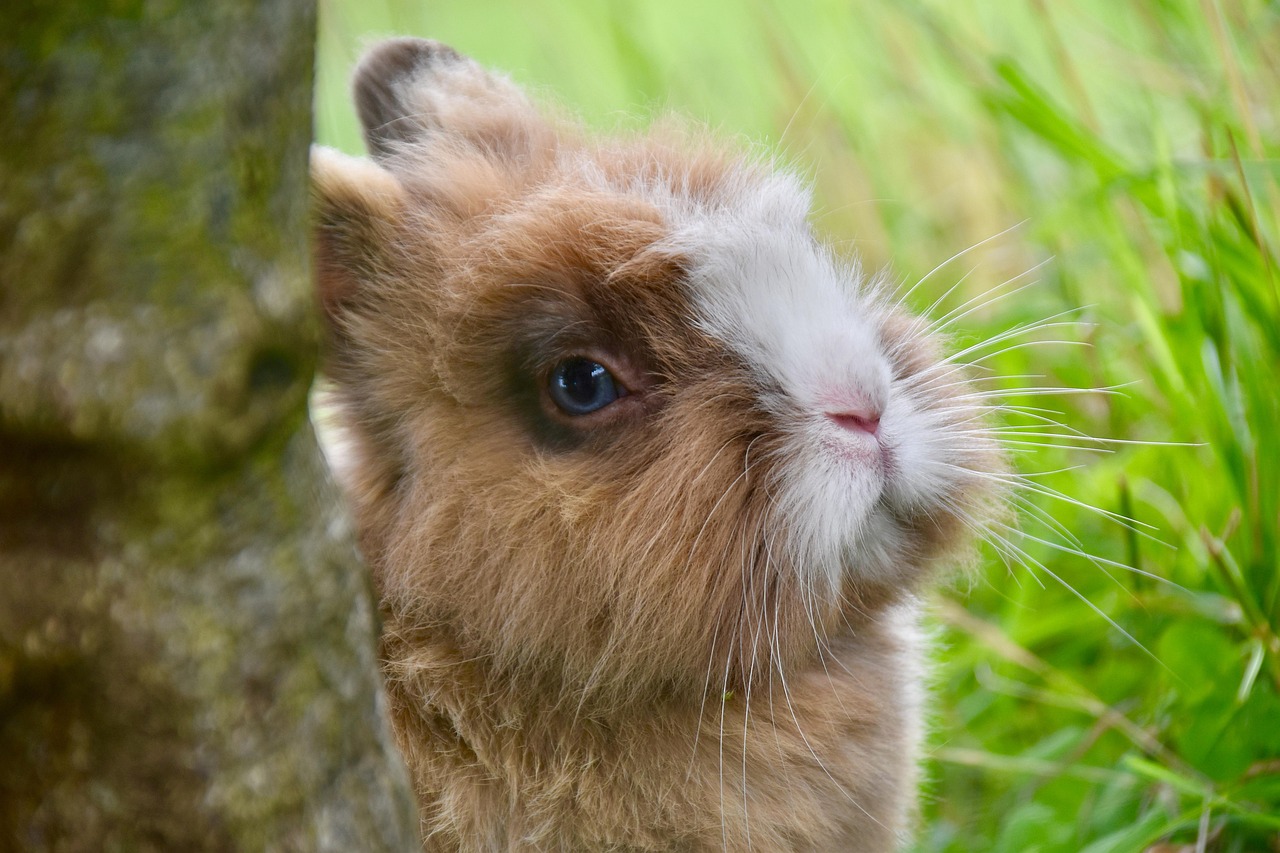
Spaying or neutering can be an important part of responsible care for pet rabbits that are not intended for breeding.
These procedures prevent unwanted litters, reduce several hormone-related behaviours, make rabbit-to-rabbit bonding easier and provide important health benefits, particularly for female rabbits.
However, neutering is still surgery.
It requires anaesthesia, appropriate pain management and a veterinarian who understands rabbit medicine and surgery. Owners should therefore understand both the benefits and the risks before making a decision.
This guide explains spaying and neutering rabbits, why these procedures are commonly recommended, when they may be performed, how to prepare your rabbit and what to expect during recovery.
What Is the Difference Between Spaying and Neutering?
The word neutering can describe surgical sterilisation of either sex.
For male rabbits, the procedure is generally called castration. The testicles are surgically removed.
For female rabbits, people commonly use the word spaying.
Depending on the surgical technique and individual case, the veterinarian may remove the ovaries alone or remove the ovaries together with reproductive-tract tissue such as the uterus.
The exact surgical procedure is a veterinary decision.
For rabbit owners, the most important point is that the reproductive organs responsible for fertility and major reproductive-hormone production are removed.
Why Spay a Female Rabbit?
One of the strongest medical reasons for spaying female rabbits is protection against uterine disease.
Uterine adenocarcinoma is an important malignant cancer in intact female rabbits, and the risk increases considerably with age.
Veterinary references report a high prevalence in older unspayed females. Some rabbit populations have shown extremely high rates, while other veterinary sources report incidence of up to around 60% in intact does older than three years.
The exact risk varies according to factors such as:
- Age
- Breed
- Genetics
- Population studied
The important message is not one exact percentage.
It is that uterine cancer is sufficiently common in intact female rabbits that prevention is a major reason veterinarians recommend spaying pet does that are not intended for breeding.
Does Spaying Prevent Uterine Cancer?
Removal of the uterus eliminates the possibility of cancer developing in that organ after surgery.
When an ovaries-only procedure is used, the health considerations are more technical and should be discussed with the veterinarian performing the surgery.
For an older intact female rabbit, a veterinarian may recommend additional examination or diagnostic testing because uterine disease could already be present.
Spaying before reproductive disease develops generally provides the greatest preventive benefit.
Other Reproductive Problems in Female Rabbits
Cancer is not the only reason reproductive health matters.
Intact females can also experience conditions involving the uterus and reproductive tract.
Hormonal behaviour may include:
- Nest building
- Fur pulling
- Territorial behaviour
- Repeated false pregnancies
- Aggression
- Urine marking
Not every intact rabbit develops these problems, and neutering does not guarantee that every behavioural issue will disappear.
However, reducing reproductive hormones can improve many hormone-related behaviours.
Why Neuter a Male Rabbit?
Castration prevents a male rabbit from producing new sperm and removes the testicles.
Benefits can include:
- Preventing unwanted breeding
- Eliminating the possibility of testicular cancer
- Reducing some hormone-driven territorial behaviour
- Reducing urine spraying in many rabbits
- Reducing sexual mounting
- Making bonding with another neutered rabbit easier
As with females, behaviour varies by individual.
A nervous, territorial or aggressive rabbit will not necessarily become completely calm simply because it has been neutered.
Pain, fear, environment and previous experience can also influence behaviour.
Neutering Does Not Change a Rabbit’s Personality
One concern some owners have is that neutering will make their rabbit a completely different animal.
That is generally not the goal.
Neutering mainly reduces behaviours driven strongly by reproductive hormones.
A curious rabbit may remain curious.
An energetic rabbit may remain energetic.
An affectionate rabbit can remain affectionate.
What may decrease are behaviours such as:
- Persistent sexual mounting
- Urine spraying
- Certain forms of territorial aggression
- Reproductive frustration
Some behaviours can continue after surgery because not every behaviour is controlled exclusively by reproductive hormones.
Neutering and Rabbit Bonding
Rabbits are social animals and can benefit greatly from living with a compatible rabbit companion.
However, trying to bond sexually mature intact rabbits can be difficult.
Hormonal and territorial behaviour can lead to:
- Fighting
- Mounting
- Spraying
- Chasing
- Unplanned pregnancy
A commonly successful pet-rabbit combination is a neutered male and neutered female.
Neutered same-sex pairs can also form strong bonds when the rabbits are compatible and introduced properly.
Neutering does not replace the bonding process.
Rabbits still need gradual introductions and suitable neutral territory.
Our Complete Guide to Socializing Your Rabbit explains rabbit-to-rabbit bonding in greater detail.
Can a Male Rabbit Still Make a Female Pregnant After Neutering?
Yes, temporarily.
A male rabbit does not necessarily become sterile immediately after castration.
Viable sperm can remain for some time after surgery.
Rabbit welfare guidance warns that a male may remain capable of impregnating an unspayed female for up to six weeks after neutering.
Do not put a recently castrated male together with an intact female simply because his testicles have been removed.
Follow your veterinarian’s advice regarding the safe waiting period.
When Should a Male Rabbit Be Neutered?
There is no single age appropriate for every rabbit.
Male rabbits can often be considered for castration once the testicles have descended and the animal is sufficiently developed and healthy for surgery.
The testicles commonly become visible at approximately 10–12 weeks of age, although timing varies.
Some veterinary and welfare guidance permits neutering around this stage, while individual practices may prefer to wait longer depending on the rabbit.
The veterinarian should consider:
- Age
- Body weight
- Breed
- Testicular development
- General health
- Anaesthetic risk
Do not schedule surgery based solely on an age found online.
Have the rabbit examined first.
When Should a Female Rabbit Be Spayed?
Female rabbits are commonly considered for spaying at around four to six months of age, depending on their development, breed, body size and veterinary practice.
Some veterinarians prefer approximately six months.
Larger breeds may mature differently from smaller breeds and may require a different timing decision.
The best age should therefore be decided after veterinary assessment rather than using one fixed rule for all rabbits.
Can an Older Rabbit Be Spayed or Neutered?
Possibly.
Age alone does not automatically mean a rabbit cannot undergo surgery.
However, anaesthetic and surgical risks may increase when a rabbit is older or has conditions such as:
- Obesity
- Dental disease
- Respiratory disease
- Heart disease
- Kidney disease
- Other chronic illness
An older rabbit may need a more detailed pre-operative assessment.
Your veterinarian may recommend blood tests or other diagnostic tests depending on the rabbit’s age and health.
The decision should balance the potential benefits of surgery against the individual anaesthetic and surgical risks.
Is Rabbit Neutering Safe?
Modern rabbit anaesthesia and surgery have improved considerably.
An experienced rabbit veterinarian can perform neutering routinely and successfully.
However:
No surgery is completely risk-free.
Possible complications include:
- Anaesthetic complications
- Bleeding
- Infection
- Wound problems
- Pain
- Reduced appetite
- Gastrointestinal slowdown
- Reactions to medication
Female spaying is generally a more invasive abdominal procedure than male castration and normally requires a longer recovery period.
The experience of the veterinary team matters.
How to Choose a Veterinarian
Do not choose a clinic based only on the lowest price.
Ask whether the veterinarian regularly performs rabbit neutering.
Useful questions include:
- How often do you neuter rabbits?
- What anaesthesia protocol do you use?
- How is the rabbit monitored during surgery?
- What pain relief is provided?
- When will the rabbit be offered food after surgery?
- What happens if the rabbit refuses food?
- Who should I contact if there is a problem overnight?
- Is a follow-up appointment required?
A veterinarian experienced with rabbits should understand that rabbits have different perioperative requirements from dogs and cats.
Should Rabbits Be Fasted Before Surgery?
Normally, no.
This is extremely important.
Rabbits should not routinely be fasted overnight before neutering in the way dogs and cats commonly are before anaesthesia.
Rabbits cannot vomit, and prolonged fasting is unnecessary and may interfere with normal gastrointestinal function.
Rabbit welfare guidance recommends allowing food and water up to surgery and offering food again once the rabbit recovers.
If your veterinary clinic tells you to withhold food, ask specifically why.
There may occasionally be an individual medical reason, but routine fasting should not simply be assumed.
Always follow the instructions of the rabbit-experienced veterinarian managing the individual case.
Preparing Your Rabbit for Surgery
Before surgery, the veterinarian should assess whether the rabbit is healthy enough for the procedure.
Tell the clinic about:
- Recent appetite changes
- Changes in droppings
- Sneezing
- Nasal discharge
- Weight loss
- Previous illnesses
- Current medication
- Previous anaesthetic problems
Do not make major dietary changes immediately before surgery.
Maintain the rabbit’s familiar diet.
Take some of its normal food to the clinic if requested, particularly favourite safe hay or greens that may encourage eating during recovery.
Pre-Surgery Health Checks
Depending on the rabbit’s health and age, the veterinarian may recommend:
- Physical examination
- Weight assessment
- Dental examination
- Blood testing
- Other diagnostic tests
Older rabbits or rabbits with known health conditions may require more investigation before anaesthesia.
Pre-operative testing cannot remove every risk, but it may identify problems that influence the anaesthetic plan.
What Happens on the Day of Surgery?
Exact procedures vary between veterinary clinics.
Generally, the rabbit is admitted, examined and prepared for anaesthesia.
The veterinary team should monitor important body functions during the procedure.
Pain relief is an essential part of appropriate rabbit surgery.
Once surgery is complete, the rabbit is monitored while waking from anaesthesia and should be encouraged to begin eating as soon as it is safely able.
Many clinics prefer the rabbit to be awake, alert and preferably eating before discharge.
Why Eating After Surgery Matters
A rabbit’s digestive system depends on regular food intake.
Pain, stress and anaesthesia can all reduce appetite after surgery.
Owners should therefore monitor eating closely during recovery.
Offer the rabbit its normal:
- Hay
- Water
- Appropriate greens
- Usual food
Do not introduce strange new foods simply to tempt the rabbit.
A familiar favourite herb or green may sometimes encourage eating.
If the rabbit does not begin eating as expected, contact the veterinary clinic.
Do not wait several days.
Monitor Droppings After Surgery
Eating is not the only thing to monitor.
Watch for the return of normal droppings.
Initially, droppings may be:
- Smaller
- Less frequent
- Slightly different from normal
However, prolonged absence of droppings together with poor appetite requires veterinary advice.
Your veterinarian may provide specific instructions about when to call.
Follow those instructions closely.
Pain Relief Is Important
Pain itself can make a rabbit reluctant to eat and move.
Appropriate postoperative pain management is therefore important for both comfort and recovery.
Before leaving the clinic, make sure you understand:
- Which medication was given
- Whether medication is needed at home
- The correct dose
- How frequently it should be given
- How many days treatment should continue
Never replace veterinary pain medication with human painkillers.
Some human medications may be dangerous or inappropriate for rabbits.
Check the Surgical Wound
Inspect the surgical area according to your veterinarian’s instructions.
Look for:
- Significant swelling
- Bleeding
- Discharge
- Wound opening
- Excessive redness
- Bad smell
A small amount of postoperative change may be expected, but a worsening wound should be discussed with the clinic.
Do not apply creams, powders or antiseptics unless your veterinarian recommends them.
Prevent Excessive Activity During Early Recovery
A rabbit recovering from abdominal surgery should not immediately be allowed to perform extreme jumps or energetic climbing.
Temporary activity restriction may be recommended to protect the surgical wound.
However, this does not mean placing the rabbit into an extremely tiny cage.
Provide a clean, comfortable recovery area where movement can be appropriately limited without causing additional distress.
Male rabbits often recover faster than females because castration is usually less invasive.
Follow the individual recovery instructions supplied by the veterinary clinic.
Keep the Recovery Area Clean
After surgery, provide:
- Clean bedding or flooring
- Clean litter facilities
- Fresh hay
- Clean water
- A comfortable temperature
- A quiet environment
Avoid dusty or dirty bedding around a fresh surgical site.
Keep the rabbit dry.
If the rabbit normally lives outdoors, your veterinarian may recommend temporary indoor recovery depending on weather conditions and the individual situation.
Do Rabbits Need a Cone After Surgery?
Elizabethan collars or cones are not automatically necessary for every rabbit.
Some rabbits find traditional cones difficult because they interfere with normal eating, grooming and caecotroph consumption.
Do not put one on routinely unless the veterinarian advises it.
If the rabbit is damaging its wound, contact the clinic for appropriate management rather than improvising.
Warning Signs After Neutering
Contact the veterinarian if you notice:
- Failure to eat
- Very few or no droppings
- Severe lethargy
- Persistent hunched posture
- Significant bleeding
- Wound opening
- Increasing swelling
- Pus or unusual discharge
- Severe pain
- Difficulty breathing
- Collapse
Do not assume that every quiet rabbit is simply recovering normally.
Female rabbits may understandably be quieter immediately after abdominal surgery, but significant deterioration requires professional advice.
How Long Does Recovery Take?
Recovery differs between rabbits and between male and female procedures.
Male rabbits often recover relatively quickly.
Female rabbits generally require longer because spaying involves abdominal surgery.
You may see improvement in appetite and activity within the first day or two, but surgical tissues require longer to heal fully.
Follow your veterinarian’s instructions regarding:
- Activity restriction
- Wound checks
- Medication
- Follow-up appointments
- Return to normal housing
Do not decide that the rabbit is completely healed simply because it starts running around again.
When Do Hormonal Behaviours Stop?
Hormonal behaviour does not necessarily disappear immediately after surgery.
Hormones can take time to decline, and behavioural habits may also continue after the reproductive organs are removed.
You may still temporarily see:
- Mounting
- Spraying
- Territorial behaviour
Some behaviours can persist even long-term because they are not caused solely by reproductive hormones.
Give the rabbit time to recover before judging behavioural changes.
Spaying, Neutering and Litter Training
Neutering often improves litter habits where urine spraying and territorial marking are influenced by hormones.
However, surgery does not automatically litter-train a rabbit.
Owners still need to provide:
- Suitable litter trays
- Appropriate litter
- Consistent placement
- A clean environment
If a previously litter-trained rabbit suddenly becomes messy, consider health and environmental causes rather than assuming it is simply misbehaving.
Does Neutering Prevent Aggression?
It can reduce hormone-related aggression, but not every form of aggression.
A rabbit may behave defensively because of:
- Fear
- Pain
- Territorial behaviour
- Poor handling
- Previous negative experiences
- Resource guarding
If aggression continues after neutering, first rule out illness or pain.
Then review the rabbit’s housing, handling and social environment.
Neutering and Unwanted Litters
Rabbit reproduction can happen surprisingly quickly.
Male and female rabbits should not be kept together casually if both are sexually mature and fertile.
Relatives will also breed with each other.
A brother and sister do not understand that they are related in the human sense.
Neutering prevents unintended breeding and makes it easier to maintain compatible pet pairs without repeated pregnancies.
Should Every Rabbit Be Neutered?
For most healthy pet rabbits not intended for responsible breeding, neutering is widely recommended by rabbit-welfare organisations.
However, medical decisions should still be individual.
There may be situations where:
- The rabbit is seriously ill
- Anaesthetic risk is unusually high
- Advanced age changes the risk-benefit balance
- Another medical condition needs treatment first
A veterinarian should assess those cases.
The existence of surgical risk does not automatically mean neutering should be avoided, just as the benefits do not mean the procedure is risk-free.
What About Rabbits Intended for Breeding?
Breeding animals obviously cannot be neutered and continue reproducing.
However, breeding should not simply involve leaving any male and female rabbits intact and allowing uncontrolled mating.
Responsible breeding requires attention to:
- Genetics
- Health
- Age
- Body condition
- Reproductive history
- Housing
- Nutrition
- Disease control
- Welfare of offspring
Female breeding rabbits should also be monitored for reproductive disease as they age.
When a breeding rabbit is retired from reproduction, discuss future reproductive-health management with a veterinarian.
Spaying and Neutering Rabbits in Ghana
Rabbit owners in Ghana may find that access to veterinarians experienced with rabbit anaesthesia and surgery varies by location.
Do not assume that every clinic performing dog and cat sterilisation automatically has extensive rabbit surgical experience.
Before booking, ask directly whether the veterinarian regularly treats and operates on rabbits.
Discuss:
- Surgical experience
- Anaesthesia
- Pain management
- Postoperative feeding
- Emergency contact
- Follow-up care
- Total cost
For rabbits kept primarily as pets, the same fundamental principles apply regardless of country: careful pre-operative assessment, appropriate anaesthesia, pain management and good postoperative monitoring are essential.
Frequently Asked Questions
What Is the Difference Between Spaying and Neutering?
Spaying generally refers to surgical sterilisation of a female rabbit.
Neutering can refer to either sex, although castration is the more specific term for removing a male rabbit’s testicles.
What Age Should a Male Rabbit Be Neutered?
Male rabbits can often be considered once their testicles have descended and they are sufficiently developed and healthy.
This may occur around 10–12 weeks, but individual veterinary practices may recommend a later age.
What Age Should a Female Rabbit Be Spayed?
Female rabbits are commonly considered around four to six months, although breed, size, health and veterinary approach influence timing.
Ask your veterinarian to determine the appropriate timing for the individual rabbit.
Should I Stop Feeding My Rabbit Before Surgery?
Rabbits are not normally fasted before surgery.
They cannot vomit and should generally continue receiving food and water before the procedure unless the treating veterinarian gives a specific instruction for an individual medical reason.
Why Is Spaying Important for Female Rabbits?
One of the biggest benefits is prevention of serious uterine disease, particularly uterine adenocarcinoma, which becomes increasingly common in older intact females.
Will Neutering Stop My Rabbit From Spraying?
It often reduces hormone-related urine spraying, although individual behaviour varies.
Will Neutering Make My Rabbit Less Aggressive?
It may reduce aggression caused by reproductive hormones.
Aggression caused by pain, fear or environmental problems can continue and requires a different approach.
Can a Male Rabbit Get a Female Pregnant Immediately After Being Neutered?
Yes, pregnancy can still occur for a period after surgery.
A male rabbit can remain fertile for up to approximately six weeks after castration.
Can I Put Rabbits Together Immediately After Neutering?
No.
Allow the surgical wounds to heal and follow veterinary guidance.
A recently neutered male may also still be fertile.
Rabbit bonding should begin or resume at an appropriate stage after recovery.
Is Neutering Dangerous?
Rabbit anaesthesia and surgical techniques have improved substantially, but no operation is completely free of risk.
Choosing an experienced rabbit veterinarian and having the rabbit properly assessed can help manage those risks.
How Do I Know If My Rabbit Is Recovering Normally?
The rabbit should gradually become more alert and resume eating, drinking and producing droppings.
Monitor the surgical site and follow the veterinarian’s discharge instructions.
Contact the clinic if recovery appears abnormal.
Final Thoughts
Spaying and neutering rabbits can provide important health, behavioural and welfare benefits.
For female pet rabbits, protection against uterine disease is one of the strongest reasons to consider spaying.
For both males and females, neutering prevents unwanted litters and can reduce reproductive behaviours that interfere with bonding and everyday care.
However, neutering should never be described as completely risk-free.
It involves anaesthesia and surgery, making the experience of the veterinary team important.
Have your rabbit examined before surgery, discuss the appropriate age for the individual animal and make sure the clinic has a clear plan for pain management and postoperative feeding.
Remember that rabbits should not normally be fasted before neutering.
After surgery, closely monitor appetite, droppings, behaviour and the surgical wound.
If the rabbit refuses food, produces very few or no droppings, appears severely unwell or develops a problem with the wound, contact the veterinarian promptly.
When properly planned and performed by an experienced veterinary team, neutering can be an important part of providing a healthy, socially compatible and well-managed life for a pet rabbit.
Sources and Further Reading
For additional information about rabbit spaying, neutering and postoperative care, readers can consult:
- Rabbit Welfare Association & Fund — Neutering, Castration and Spaying
- RSPCA — Rabbit Neutering Guidance
- MSD Veterinary Manual — Management and Routine Health Care of Rabbits
- RSPCA — Bonding Rabbits
This article provides general educational information and does not replace individual veterinary advice or surgical assessment.
