

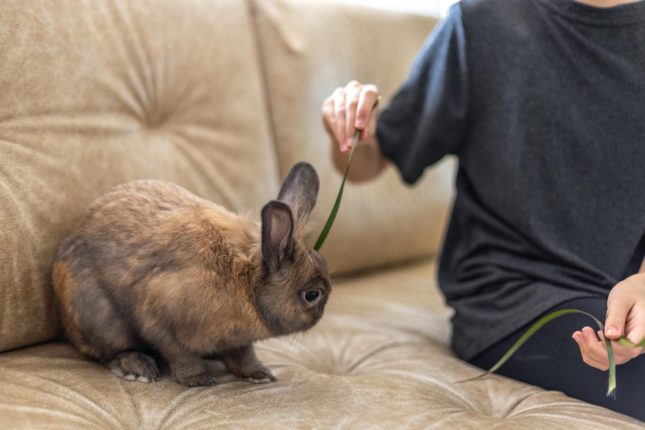
Training Rabbits: A Guide to Building a Strong Bond
Rabbits are intelligent, curious, and social animals that can form deep connections with those who rear them. While many think of how independent rabbits are, they can be trained to follow commands, use a litter box, and even perform tricks to make people happy. Training rabbits makes living with them easier and strengthens the bond between you and your furry friend.

In this guide, we’ll share with you some effective methods for training rabbits, along with the best tips to enhance trust and communication with your pet. Whether you’re a new rabbit owner or an experienced one looking to deepen your bond, this guide will provide the tools you need.
Knowing the Rabbit Behavior
Before getting deep into training rabbits, it’s important to know and comprehend the behavior of your pet. Rabbits are prey animals, which indicates that they are naturally cautious and may take time to trust anyone who becomes their new friend. The personality of rabbits varies from one to the other; some are bold and brave, while others are shy and reserved type.
Key Behavioral Characteristics to Observe from Rabbits
- Curiosity: Some rabbits love to explore their surroundings to know more about the new place.
- Social Nature: They are known for their social life and even thrive on interaction with humans and other rabbits.
- Fearfulness: They can be scared sometimes, especially when there are loud noises.
- Routine-Oriented: Rabbits feel most comfortable when they have a consistent daily routine.
Understanding these habits about them will give you the idea to be able to train them well and build a stronger bond.
Some Benefits of Training Rabbits
When you adopt these strategies of training rabbits, you will get full benefits in respect of the following:
- Aid Communication: Training your rabbits will not only bring joy as the owner, but will enhance the understanding between you and your rabbit.
- Mental Stimulation: Your rabbits need some of these pieces of training to help stimulate their mental capabilities and build their confidence in communicating with you.
- Helps in Strong Bonding: The time you will spend training your rabbit will help you create a special connection.
- Easy to handle: Training rabbits is easier to handle during the grooming stage, so do your best to give the best training you can.
- Behavior management: Training them also lessens the likelihood that they will engage in damaging behaviors like tearing up carpets or chewing furniture.
Essential Supplies for Training Rabbits
To train your rabbits, you need patience and the right tools to be able to undertake those activities. Here’s what you may require:
- Treats: You can use small, rabbit-safe treats such as pieces of carrot, apple, or commercial rabbit treats to reward good behavior. This will allow them to behave well and learn faster.
- Clicker (Optional): A clicker helps mark desired traits and speeds up the training you give to them.
- Safe Training Space: Use a quiet place, a place where the rabbit will feel safe and out of harm’s way.
- Litter Box: Use this box for litter training of your rabbits.
- Toys: To prevent boredom, you can choose to use interactive toys to teach tricks for a happy environment.
Step-by-Step Guide to Training Rabbits
1. Build Trust
Training your rabbits starts with trust, so your rabbit will only trust you through that process of training. A rabbit that feels safe with you is more likely to engage with what you do and learn easily from it. To build trust with them:
- Spend Time Together: Sit quietly near your rabbit to let them get used to you anytime you come to them.
- Hand-Feed Treats: This process will not only promote a bond but will also help establish positive associations with you.
- Speak Gently: Rabbits feel well when you speak in a low tone.
Start with Basic Command
Establish a basic command with your bunny to foster friendship once you have gained their trust.
Teaching “Come
- Offer a treat while seated at your rabbit’s level.
- As your bunny gets closer, say, “Come.”
- As soon as they get to you, reward them.
- Until they connect the command to the activity, repeat it a few times a day.
Teaching “Sit”
- Your rabbit will naturally be encouraged to sit if you hold a reward above their nose and gently move it back over their head.
- As they take their place, say “Sit,” and reward them.
3. Litter Training
Rabbits are naturally clean and can be trained to use a litter box.
Read More: Taking care of baby rabbits
[Raising Rabbits from the Young stage to Growth with happiness]
Use a litter composed of rabbit-safe materials, such as paper or wood pellets, and position the litter box in the corner of their enclosure where they frequently defecate. Give them a treat and some praise when they utilize the box.
4. Introduce Tricks
Once your rabbit has mastered the fundamentals of your training, teach them entertaining tricks to keep their mind active and to adopt what you share.
Teaching “Spin”
- Hold a treat near your rabbit’s nose and slowly move it in a circle.
- As they follow the treat, say “Spin.”
- Reward them once they complete the circle.
Teaching “Jump
- Set up a low obstacle, such as a small box or a broomstick.
- Use a treat to guide your rabbit over the obstacle.
- Say “Jump” as they hop over, then reward them.
Tips for Successful Training
- Keep Sessions Short: Rabbits have short attention spans. Limit training to 5–10 minutes per session.
- Be Patient: Progress may be slow, especially at the beginning. Celebrate small victories.
- Use positive reinforcement: Always reward desired behaviors and avoid punishment, as it can damage trust.
- Observe Body Language: Rabbits communicate through subtle signals. Watch for signs of stress, like thumping or flattening their ears.
- Be consistent: Use the same words and gestures for each command.
Strengthening Your Bond Outside Training
It takes more than just training to develop a close relationship with your rabbit. To strengthen your bond, spend time together.
Read More: What to feed pregnant rabbits and get them stronger
Grooming
In addition to maintaining your rabbit’s health, regular grooming procedures also make handling them more comfortable.
Playtime
Rabbits love to play. Provide toys like tunnels, chew sticks, and balls to keep them entertained.
Respect Their Space
Give your rabbit time to relax and explore on their terms. Respecting their boundaries fosters trust.
Common Challenges in Training Rabbits
While training rabbits can be rewarding, it’s not without challenges. Here are some common issues and how to address them:
- Lack of Interest: If your rabbit seems uninterested, try using higher-value treats or changing the training environment.
- Fearfulness: Go slower and focus on trust-building activities.
- Inconsistent Behavior: Stay consistent with commands and rewards to reinforce learning.
Celebrating Success
The process of training rabbits takes time and work. To keep yourself motivated, commemorate each accomplishment, no matter how minor. Whether your rabbit learns a new skill or learns to come when called, these accomplishments reflect a closer relationship between you and your pet.
Conclusion
Building a caring and trustworthy relationship with rabbits is just as important as giving them commands. You can successfully teach your rabbit while fortifying your relationships with it if you comprehend its behavior, employ positive reinforcements, and, exercise patience.
Training rabbits requires time, effort, love, and patience. Keep in mind that the time and effort you put into training will result in a contented, well-behaved rabbit and a stronger bond with your pet. So, gather some sweets, find a peaceful area, and begin strengthening your relationship right now!

1 Comment
I’m extremely impressed with your writing skills as well as with the layout on your weblog. Is this a paid theme or did you customize it yourself? Anyway keep up the excellent quality writing,it is rare to see a nice blog like this one today.