

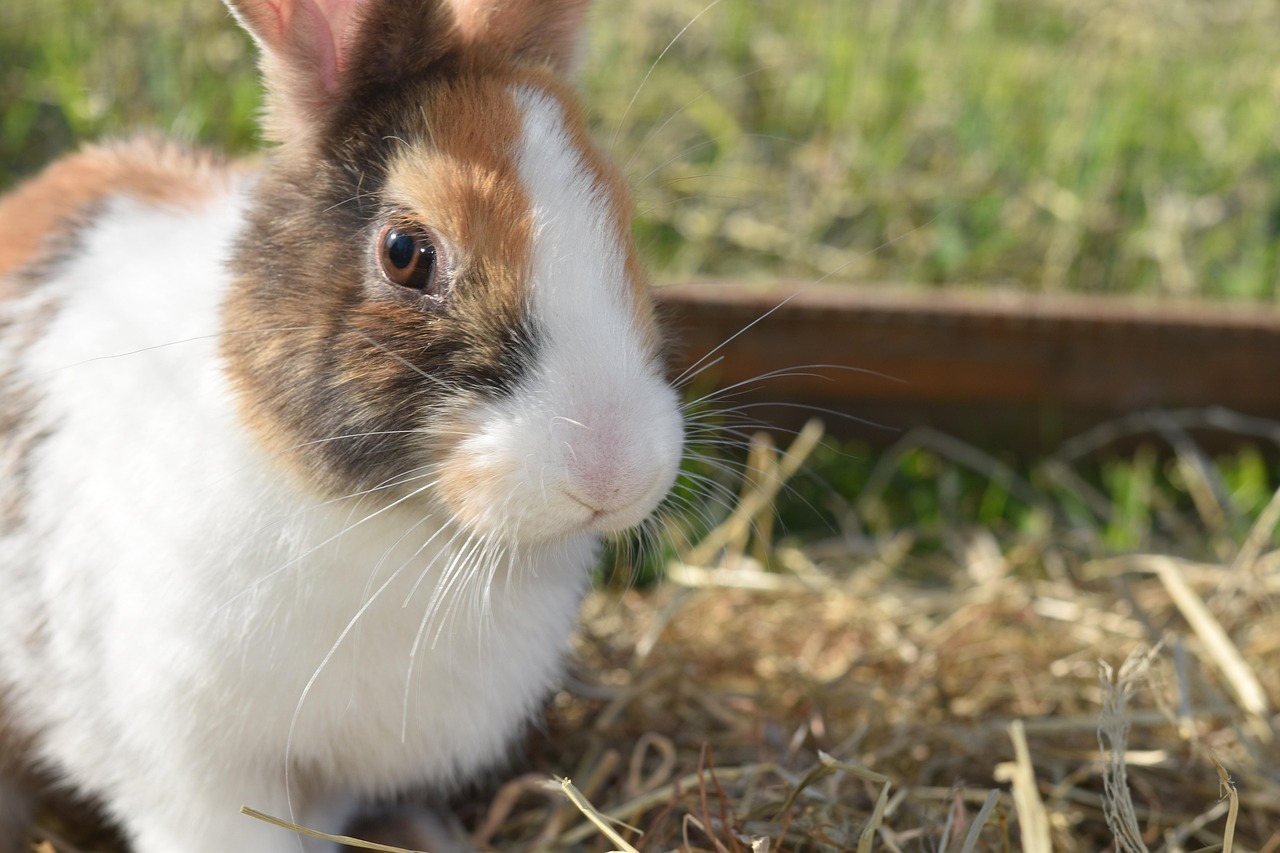
Providing the right nutrition is essential for keeping rabbits healthy and active. Among all dietary elements, fiber plays the most important role in supporting digestion, dental health, and overall well-being. Rabbits are naturally adapted to consume large amounts of fibrous plant material, and their bodies rely on it to function properly.
This article explains why fiber is vital for rabbits and how owners can ensure their pets receive enough of it every day.
How a Rabbit’s Digestive System Works
Rabbits have a unique digestive system designed for processing tough plant fibers. Unlike animals that digest food quickly, rabbits rely on slow fermentation in their digestive tract to extract nutrients from fibrous plants. Fiber helps move food smoothly through the system and supports the balance of beneficial bacteria needed for digestion.
When fiber intake is too low, digestion can slow down, leading to discomfort and serious health issues. A fiber-rich diet helps maintain normal gut movement and supports consistent digestion.
Health Benefits of a High-Fiber Diet
Supports Digestive Health
Fiber adds bulk to food, helping it move efficiently through the digestive tract. This reduces the risk of digestive slowdowns and promotes regular bowel activity.
Helps Prevent Common Digestive Problems
Adequate fiber supports healthy gut bacteria and reduces the likelihood of digestive imbalances. Rabbits that consume enough fiber are generally less prone to digestive discomfort and related health complications.
Promotes Natural Dental Wear
Rabbit teeth grow continuously throughout their lives. Chewing fibrous foods helps wear down teeth naturally, reducing the risk of dental overgrowth and associated pain.
Hay: The Primary Source of Fiber
In natural environments, rabbits spend much of their time grazing on grasses. For pet rabbits, hay is the best substitute for this natural diet and should make up the majority of daily food intake.
Grass hays such as timothy, orchard grass, or meadow hay are particularly suitable for adult rabbits because they provide high fiber levels without excess calories or minerals. These types of hay closely match what rabbits are designed to eat.
Choosing the Right Type of Hay
Not all hay is suitable for every rabbit. Some hay varieties are richer in protein and minerals and are best reserved for young or growing rabbits. For most adult rabbits, grass hay is the healthiest choice and can be offered freely throughout the day.
Introducing new hay gradually can help picky eaters adjust and encourages consistent consumption.
Balancing Fiber with Other Foods
While hay should form the foundation of a rabbit’s diet, it can be complemented with:
- Fresh leafy vegetables for added nutrients and variety
- Small portions of high-quality pellets to support balanced nutrition
Pellets and vegetables should never replace hay, as they do not provide the same level of fiber needed for proper digestion.
CHECK ALSO: The Complete Guide to Spaying and Neutering Your Pet Rabbit
Why Fiber Quality Matters
The structure of fiber is just as important as the amount. Long, coarse fibers found in hay are especially effective at keeping the digestive system active. Finely processed foods may contain fiber, but they do not offer the same benefits as natural hay.
Providing a consistent supply of high-quality hay helps ensure rabbits receive the type of fiber their bodies need.
Practical Feeding Tips for Rabbit Owners
- Provide unlimited access to fresh grass hay daily
- Keep hay clean, dry, and easily accessible
- Introduce vegetables slowly to avoid digestive upset
- Limit sugary treats and excessive pellets
- Ensure fresh drinking water is always available
Conclusion
Fiber is the cornerstone of a healthy rabbit diet. It supports digestion, dental health, and long-term well-being while helping prevent many common health problems. By prioritizing hay and other natural fiber sources, rabbit owners can create a diet that closely matches a rabbit’s natural nutritional needs.
A fiber-focused feeding approach is one of the simplest and most effective ways to support a rabbit’s health and quality of life.
