

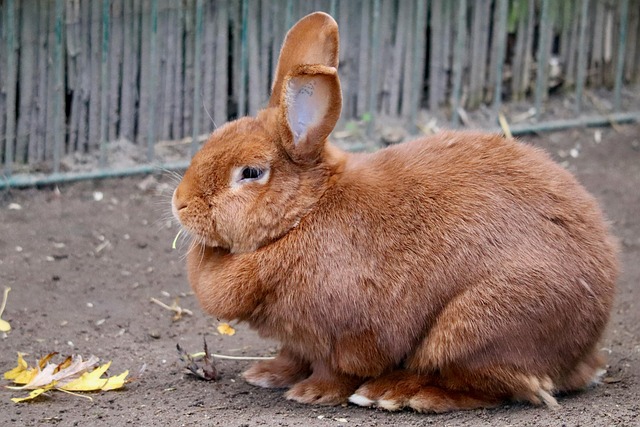
Hot weather can quickly become uncomfortable and dangerous for rabbits. Unlike people, rabbits cannot manage high temperatures by sweating across their bodies, and they are generally much more sensitive to heat than many owners realise.
Wild rabbits normally avoid the hottest parts of the day by spending time underground, where temperatures remain more stable. Domestic rabbits, especially those living in outdoor hutches, sheds, balconies, or warm rooms, depend on their owners to provide enough shade, ventilation, water, and places to cool down.
Knowing how to keep rabbits cool in summer is therefore an important part of responsible rabbit care.
This guide explains seven practical ways to protect rabbits during hot weather, the signs of heat stress to watch for, and what to do if you suspect heatstroke.
Why Hot Weather Is Dangerous for Rabbits
Rabbits generally cope better with cool conditions than extreme heat.
Their large ears play an important role in controlling body temperature. Blood flowing through vessels close to the surface of the ears can release heat into the surrounding environment.
However, this natural cooling system becomes less effective when the surrounding temperature is very high, especially when combined with high humidity and poor ventilation.
Veterinary guidance considers rabbits particularly vulnerable when temperatures rise above approximately 26–27°C (79–81°F).
Older rabbits, overweight rabbits, long-haired breeds, pregnant rabbits, very young rabbits, and rabbits with existing health problems may be affected sooner.
This is why owners should start taking precautions before conditions become dangerously hot.
1. Provide Continuous Shade and Good Airflow
Shade is one of the most important protections you can give a rabbit during hot weather.
Outdoor rabbit housing should not be exposed to strong direct sunlight, particularly during the hottest hours of the afternoon.
Remember that the position of the sun changes throughout the day.
A hutch that is shaded early in the morning may be exposed to direct sunlight later in the afternoon.
Check the enclosure at different times of the day to make sure the sleeping area and exercise space remain adequately shaded.
You can use:
- A properly positioned roof
- A sunshade
- A parasol
- A reflective cover
- Natural shade
- Another safe structure that blocks direct sunlight
However, never cover an entire enclosure tightly with a tarpaulin, blanket, or other material.
Doing so can trap warm air and make the enclosure even hotter.
The rabbit should have both shade and ventilation.
Indoor rabbits also need protection from direct sunlight through windows.
Close curtains or blinds on windows receiving strong sunlight where appropriate, while maintaining a comfortable and well-ventilated environment.
2. Give Your Rabbit Frozen Water Bottles
A frozen water bottle is a simple cooling aid for rabbits during warm weather.
Fill a strong plastic bottle with water, leaving some space for the water to expand when frozen.
Freeze it completely and wrap the bottle in a light towel before placing it in the rabbit’s living area.
Wrapping the bottle helps prevent prolonged direct skin contact with an extremely cold surface.
Your rabbit can then choose whether to lie beside the bottle.
Some rabbits may stretch next to it, while others may ignore it. That is fine.
The important thing is to provide the cooling option without forcing the rabbit to use it.
If temperatures remain high throughout the day, keep several bottles in the freezer so you can replace them as they thaw.
Check the bottles regularly for damage because rabbits may chew plastic.
3. Provide a Cool Surface to Lie On
Rabbits often stretch out on cool surfaces when they become warm.
Ceramic, stone, or marble tiles can provide a cooler resting area than thick bedding or fabric.
Place a clean, smooth tile somewhere your rabbit can choose to lie on.
The surface should:
- Be stable
- Have no sharp edges
- Be easy to clean
- Not become dangerously hot from sunlight
- Be large enough for the rabbit to rest comfortably
A naturally cool tile is usually enough.
There is no need to make it extremely cold.
You can also place a tile in a cool room for a short period before returning it to the enclosure, but avoid exposing the rabbit to sudden extreme cold.
During very hot weather, the rabbit should always have the choice to move away from any cooling item.
4. Make Fresh, Cool Water Available at All Times
Hydration is essential during hot weather.
Make sure rabbits have continuous access to clean drinking water.
Heavy ceramic bowls are useful because they are difficult to tip over and allow rabbits to drink naturally.
During a heatwave, consider providing more than one bowl in case one becomes dirty or accidentally spills.
Check the water several times throughout the day and replace it with fresh, cool water when necessary.
Do not allow drinking containers to sit in direct sunlight.
If your rabbit normally drinks from a bottle, check regularly that the drinking tube has not become blocked.
You can provide both a bottle and a bowl if your rabbit is comfortable using both.
Should You Put Ice Cubes in Rabbit Water?
It may seem helpful to make a rabbit’s drinking water ice-cold, but current Rabbit Welfare Association & Fund guidance advises against putting ice directly into rabbits’ water.
Fresh, cool water is sufficient.
The aim is to encourage normal hydration rather than force the rabbit to consume extremely cold water.
5. Improve Ventilation Safely
Poor airflow can make hot conditions more dangerous.
If rabbits live in a shed, enclosed room, or covered outdoor space, make sure heat is not becoming trapped inside.
A fan or air-conditioning system can help create a cooler environment indoors.
If you use a fan, arrange the area so the rabbit has space to move away from the airflow if desired.
Electrical cables must also be kept completely out of reach because rabbits can quickly chew through exposed wires.
A fan should not be considered a replacement for lowering dangerously high room temperatures. If the room itself is extremely hot, simply moving hot air around may not be enough.
If possible, move the rabbit to a cooler, well-ventilated part of the home during dangerously hot periods.
For outdoor rabbits, always have a backup plan for extreme weather.
A cooler indoor room, secure garage with suitable ventilation, or another safe location may be necessary when outdoor temperatures become excessive.
6. Adjust Grooming and Daily Activity
Rabbits naturally become less active during the hottest part of the day.
Avoid unnecessary handling, transportation, grooming sessions, or strenuous activity when temperatures are highest.
Provide exercise during cooler periods, such as early morning or evening.
Long-haired rabbits may require additional grooming because excess loose fur can make hot conditions more uncomfortable.
Regularly remove loose hair using appropriate grooming methods.
Some long-haired breeds may require professional trimming as part of their normal coat management, but owners should avoid shaving a rabbit without understanding the needs of the particular breed.
Never assume removing all of a rabbit’s coat will automatically keep it cooler.
The coat also provides protection to the skin.
If you are unsure how to manage a long-haired rabbit’s coat during summer, ask an experienced rabbit groomer or rabbit-savvy veterinarian.
7. Monitor Your Rabbit Closely During Hot Weather
One of the most effective ways to prevent a heat-related emergency is to recognise problems early.
Place a thermometer near the rabbit’s living area rather than relying only on the general outdoor weather forecast.
Conditions inside a wooden hutch, shed, or poorly ventilated room can be considerably different from the reported outdoor temperature.
Check rabbits more frequently when the temperature rises.
Pay particular attention to rabbits that are:
- Elderly
- Overweight
- Very young
- Pregnant
- Long-haired
- Recovering from illness
- Living with heart or respiratory problems
Current rabbit-welfare guidance recommends starting additional precautions once temperatures enter the low-to-mid 20s Celsius and taking stronger cooling measures as conditions approach or exceed approximately 26°C.
Can Fresh Vegetables Help With Hydration?
A rabbit’s normal diet should remain consistent during hot weather.
Do not suddenly introduce large quantities of unfamiliar vegetables simply because the weather is hot.
If your rabbit already eats appropriate leafy greens as part of its normal diet, washing them and serving them with some water remaining on the leaves can provide a little additional moisture.
However, vegetables should not replace drinking water.
Rabbits should always have unlimited access to suitable hay or grass together with fresh water.
Avoid making major dietary changes during a heatwave because sudden changes can upset a rabbit’s digestive system.
Signs of Heat Stress and Heatstroke in Rabbits
Every rabbit owner should know the warning signs of overheating.
Possible signs include:
- Rapid breathing
- Panting
- Weakness
- Confusion
- Unusual lethargy
- Lying stretched out and becoming poorly responsive
- Wetness or drooling around the mouth or nose
- Difficulty moving normally
- Collapse
Open-mouth breathing or severe respiratory difficulty in a rabbit should always be treated seriously.
Heatstroke can become life-threatening quickly.
Do not wait until the rabbit collapses before seeking veterinary help.
What to Do If You Suspect Heatstroke
If you think your rabbit is suffering from heatstroke, take action immediately.
Move the Rabbit Somewhere Cooler
Move the rabbit away from direct sunlight and into a cool, shaded, well-ventilated environment.
Handle the rabbit calmly and avoid unnecessary stress.
Use Cool Water — Not Ice-Cold Water
Dampen the back of the rabbit’s ears and the feet with cool, not freezing, water.
Rabbit ears play an important role in heat regulation, and gentle cooling can assist while veterinary help is being arranged.
Do not force the rabbit into an ice bath.
Do not cover the rabbit in ice.
Rapid and extreme cooling is not the goal.
Contact a Veterinarian Immediately
Heatstroke is a veterinary emergency.
Contact a veterinarian experienced with rabbits as soon as possible and explain the symptoms and the environmental conditions.
Cooling measures at home should not be treated as a replacement for veterinary treatment if heatstroke is suspected.
Things You Should Not Do During a Heatwave
Some well-intended cooling methods can create additional problems.
Avoid:
- Putting the rabbit into an ice bath
- Completely soaking the rabbit
- Placing ice directly against the rabbit’s skin
- Leaving the enclosure in direct sunlight
- Covering the entire hutch and blocking ventilation
- Making sudden major dietary changes
- Leaving drinking water in direct sunlight
- Using a fan with exposed electrical cables
- Forcing a rabbit to remain against a frozen bottle
- Leaving rabbits in a hot vehicle
- Assuming shade alone is enough during extreme heat
Always provide your rabbit with choices. It should be able to move between cooler and warmer areas within a safe environment.
Summer Care for Outdoor Rabbits
Outdoor rabbit owners need to be particularly careful during heatwaves.
Check the enclosure several times throughout the day.
Make sure:
- Shade lasts throughout the day
- Water remains available
- Air can circulate
- The roof is not becoming excessively hot
- Cooling bottles are replaced when necessary
- The rabbit is behaving normally
- Flies are not becoming a problem
- Bedding remains clean and dry
Hot weather also increases the importance of checking rabbits for flystrike, particularly around the rear of the rabbit.
Dirty or damp fur can attract flies, and flystrike can become a serious medical emergency.
Maintain good hygiene and check rabbits regularly during warm weather.
A Simple Hot-Weather Checklist
When warm weather arrives, check the following every day:
- Is fresh water available?
- Does the rabbit have full shade?
- Is the enclosure well ventilated?
- Is the rabbit eating normally?
- Is the rabbit alert and behaving normally?
- Is a cool resting surface available?
- Are frozen bottles available if needed?
- Is the enclosure clean?
- Is there any sign of flies or flystrike?
- Is there a cooler place available if temperatures become dangerous?
Taking a few minutes to perform these checks can help identify problems before they become emergencies.
Keeping Rabbits Cool in Ghana and Other Hot Climates
For rabbit owners in Ghana and other tropical countries, heat management may be necessary for much more than a short summer period.
High temperatures combined with humidity can place additional strain on rabbits.
Rabbit housing in tropical environments should therefore prioritise:
- Permanent shade
- Good airflow
- Reliable access to water
- Appropriate roofing
- Protection from afternoon sun
- Good drainage
- Regular temperature monitoring
- A backup cooling plan during periods of extreme heat
Housing design is particularly important where air conditioning is not available.
Simple changes such as locating rabbit housing under appropriate shade, providing good cross-ventilation, protecting roofing from intense direct heat, and supplying cool resting surfaces can make the environment more manageable.
Final Thoughts
Learning how to keep rabbits cool in summer is about more than giving them a frozen bottle when the weather becomes extremely hot.
Good heat protection starts with the rabbit’s environment.
Provide shade, maintain ventilation, supply fresh water, offer cool resting areas, reduce unnecessary activity during the hottest hours, and watch your rabbit closely for signs of heat stress.
A frozen bottle wrapped in a towel and a cool tile can provide additional comfort, but they should be part of a wider heat-management plan.
Most importantly, learn the warning signs of heatstroke.
If your rabbit becomes weak, confused, severely lethargic, begins panting or breathing rapidly, develops wetness around the mouth, or becomes poorly responsive during hot weather, move the rabbit to a cooler location, begin gentle cooling, and contact a rabbit-savvy veterinarian immediately.
Preparing before temperatures rise is much safer than waiting until your rabbit is already in distress.
Sources and Further Reading
Readers looking for additional rabbit heat-safety information can consult:
- Rabbit Welfare Association & Fund (RWAF) – Hot Weather Care
- MSD/Merck Veterinary Manual – Heatstroke and heat exhaustion in rabbits
- RSPCA – Keeping Rabbits and Rodents Cool in Summer
These resources provide additional information about suitable temperatures, cooling methods, heatstroke warning signs, and emergency care.
