

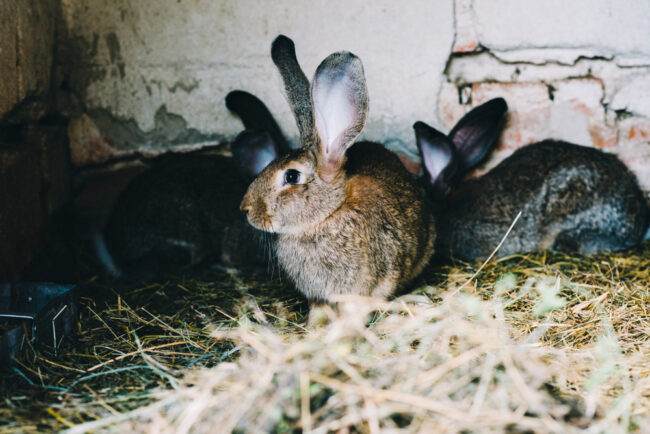
Keeping rabbits cool in hot climates like those in many parts of Africa requires careful planning, practical housing, correct hydration, and constant monitoring because of the unlikely event of high mortality. As a newbie in this industry, what you should know is that rabbits are much less tolerant of heat than many other pets because they cannot sweat, and their primary method of releasing body heat is through blood vessels in their ears and through respiratory evaporation. This means temperatures common in most parts of African weather, often exceeding 30°C, can quickly lead to heat stress and heatstroke, which can be fatal without intervention and proper care for your bunnies.
In this guide, you’ll learn how to protect your rabbits from heat, how to recognize signs of overheating, and what practical actions to take to keep them cool, safe, and thriving in Africa.
Why Rabbits Struggle in Hot Weather
Rabbits are naturally adapted to burrowing and escaping heat in the wild. Domestic rabbits typically live in hutches or indoor environments where they cannot seek cooler ground or burrows. Their thick fur, essential for insulation in cooler weather, becomes a liability when temperatures rise, trapping heat around their bodies and reducing natural heat release.
To understand your fluffy friend, know that rabbits also cannot sweat because they lack sweat glands. Instead, their ears act as radiators that help dissipate heat rather than their skin. When the ambient temperature reaches or exceeds about 25°C (77°F), rabbits begin to struggle to regulate their body temperature and are at risk of heat stress and heatstroke.
Also Read: Foods that will keep your rabbits hopping
What Temperature Is Too Hot for a Rabbit?
Understanding temperature ranges is key to protecting your rabbits:
- Ideal Rabbit Temperature: 15–24°C (59–75°F) is comfortable and stress-free.
- Danger Point: Above 25°C (77°F), the risk of heat stress increases.
- High Risk Zone: Above 30°C (86°F), rabbits struggle even with shade and airflow.
In many parts of Ghana and other African countries, temperatures frequently rise well above the levels shown above. That means rabbit keepers must go beyond simply providing shade; active cooling strategies are essential.
Some Common Signs of Heat Stress and Heatstroke in Rabbits
Heat stress in rabbits can quickly escalate to heatstroke when not tackled urgently, which is dangerous to their health.
Common early and advanced signs include:
- Rapid or shallow breathing
- Weakness or lethargy
- Warm or hot to the touch
- Loss of appetite or interest in movement
- Panting
- Excess salivation
- Confusion or collapse among many of the rabbits
If you notice these signs, you must act quickly: heatstroke in rabbits can become life-threatening within a short period.
Essential Cooling Strategies for Hot African Weather
1. Provide Ample Shade and Ventilation
Shade is the first line of defense for bunnies, especially in hot environments like Africa. Rabbits should never be left in direct sunlight. Even early morning or late afternoon sun can raise temperatures rapidly inside hutches or runs to hurt your rabbits.
Best shade practices:
- Place hutches under natural shade (trees, shelters).
- Use shade cloths or tarps to contain your rabbits, but leave airflow gaps for ventilation.
- Orient the enclosure to catch any breezes that may come in.
- Avoid enclosed spaces like glass conservatories, as they trap heat, which may affect your rabbit’s health.
Airflow matters just as much as shade does in the upkeep of rabbits in any part of the world. Ensure hutches and runs are positioned where breezes can pass through freely. In indoor settings, open windows or create cross-ventilation with multiple openings are done.
2. Hydration: Never Let Water Run Out
Another important strategy is the hydration of your rabbit. Give them adequate clean water to avoid any dehydration. Hydration is non-negotiable in hot weather when taking care of rabbits. Rabbits will drink more water than usual as temperatures rise and drink less when the temperature lowers. To make things easy and keep them healthy, give them enough water at any moment when the temperature seems high.
Water tips:
- Provide multiple water sources (bowls + bottles).
- Offer fresh, cool water many times each day.
- Consider adding ice cubes to bowls of water during extreme heat.
- Check water levels frequently because heat makes water evaporate more quickly.
Water is not just a thirst quencher; it helps regulate body temperature and prevents dehydration, which can compound heat stress on your rabbits.
3. Cooling Surfaces and Accessories
Rabbits enjoy lying on cool surfaces, and it makes them happy, which improves their health. You can create these cheaply and effectively:
- Ceramic or marble tiles: Naturally cool and easier to clean than you can imagine.
- Using Frozen water bottles: Wrap in cloth to avoid wet contact and place them inside shaded areas where your rabbits sleep.
- Ice packs wrapped in towels: Using this works similarly to frozen bottles and improves the temperature of your rabbits.
These cooling surfaces act as natural “heat sinks” that help lower body temperature when rabbits lie against them. Many rabbit owners report that their pets seek out cool tiles or bottles instinctively during heatwaves. Finding yourself in Africa, where the temperature is hot needs attention and applying the techniques mentioned to help you overcome weather challenges to your rabbits.
4. Damp Cloths and Mist Cooling
Rabbits lose much of their heat through their ears than through their skin. Yes, that is how they were created as compared to other animals or pets. Lightly misting or dabbing cool water on the ears and upper back can help significantly. Use a spray bottle with cool water or gently wipe with a damp cloth, and never soak the rabbit or use ice-cold water, which can shock their system.
For enclosures:
- Hang damp towels near airflow sources. This can create an evaporative cooling effect.
5. Airflow: Fans and Natural Breezes
Using electric fans can help, but they should never blow directly on a rabbit. Instead, angle airflow across the enclosure or use them to distribute cooler air and reduce the heat on your rabbits. Now that you know, it is important to avoid using it directly to blow on a rabbit. If air conditioning is available, it’s highly effective for indoor rabbits rearing, especially in humid heat where rabbits struggle to dissipate heat naturally.
Even simple setups like:
- Fanning toward a shaded area can help maintain heat in any heat environment.
- A fan blowing over a cold surface can noticeably reduce stress in rabbits.
The structure of your rabbit’s home influences how hot or cold it becomes. You have to adopt a good design when you find yourself in Africa to keep rabbits cool and healthy. Good housing practices should be your priority to make them have a serene environment to stay stronger.
Good housing practices for your rabbits include:
- Using materials that don’t trap heat (avoid metal in direct sun).
- Choose hutches with open wire sides for ventilation to be effective.
- Elevate hutches to allow airflow underneath and to help reduce heat during hot periods.
- Offer cool resting spots like tiles or shaded ground areas for your rabbit.
If rabbits are housed outdoors, ensure the shaded area remains cool throughout the day because the sun moves and changes where shade falls over time.
Diet Adjustments for Hot Weather
To keep rabbits cool in hot African weather, you have to maintain good ventilated building. In extreme heat, rabbits may reduce their food intake. Digesting fibrous food generates additional body heat, and rabbits naturally eat less when temperatures soar.
Feeding tips in heat:
- Maintain fresh, high-quality hay as the base diet.
- Offer hydrating vegetables like lettuce and cucumber.
- Provide cool, clean water-soaked greens when humidity is high.
Never let uneaten food sit in heat, as it spoils quickly and attracts flies, which can compound their health issues.
Extreme Heat Emergency Response
If you suspect that your rabbit is suffering from heatstroke:
- Move them immediately to a cool, shaded or air-conditioned area.
- Gently dampen their ears and body with cool, not cold water.
- Provide your rabbit with cool, fresh water to drink.
- Contact a rabbit-experienced veterinarian as soon as possible, as heatstroke can progress rapidly and requires professional care.
Do not submerge your rabbit in ice water, as a sudden temperature change can cause shock and worsen their condition.
Breed and Individual Vulnerabilities
What breeds are you trying to in hot African weather areas? Some rabbits are more susceptible to heat than others:
- Long-haired breeds (e.g., Angoras) trap more heat.
- Overweight rabbits produce and retain more heat.
- Young and elderly rabbits struggle to regulate temperature.
These individuals require closer observation and more proactive cooling measures.
Frequently Asked Questions (FAQs)
Q: At what temperature should I bring my rabbits indoors?
A: If temperatures consistently reach above 25°C (77°F), it’s safest to move rabbits into a shaded, well-ventilated indoor area or a space with airflow or cooling.
Q: Can rabbits use air conditioners safely?
A: Yes, air conditioning can help prevent heat stress, but ensure the environment isn’t too dry and that rabbits can move away from direct airflow.
Q: Is giving rabbits ice or very cold water safe?
A: Avoid extremely cold water that causes thermal shock. Instead, provide cool water consistently and refresh it regularly. Ice cubes in bowls are fine if rabbits will drink.
Q: How often should I check my rabbit during hot days?
A: At least twice daily, monitoring body temperature, breathing, water intake, and behaviour. Early detection of heat stress improves outcomes.
Q: Can rabbits cool themselves naturally?
A: Only to a limited degree, through their ears and by panting lightly. In African heat, nature isn’t enough; caregivers must assist with shade, water, airflow, and cooling surfaces.
Conclusion
Wondering how to keep rabbits cool in African weather? Protecting rabbits from the heat in African conditions requires awareness, planning, and quick action to prevent losing them all to the environment. By providing shade, ventilation, hydration, cooling surfaces, and emergency response, you can protect your rabbits from heat stress and heatstroke, preserving their health, appetite, and activity levels even when the temperatures climb.
Rabbits don’t tolerate heat as we do, so proactive care is the best prevention. With the right setup and daily monitoring, your rabbits can stay comfortable and healthy year-round, no matter how hot it gets.
