

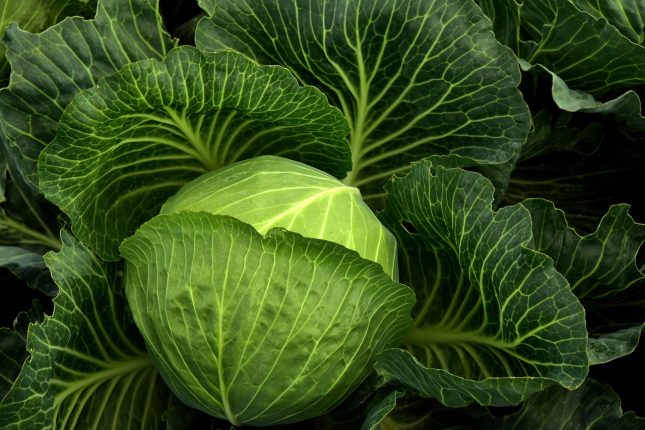
Yes, rabbits can eat cabbage.
Cabbage is not considered poisonous to healthy rabbits and can form part of a varied selection of fresh leafy vegetables.
However, this does not mean a rabbit should receive a large bowl of cabbage every day.
Cabbage belongs to the Brassica family, together with vegetables such as broccoli, cauliflower, kale and Brussels sprouts. Some rabbits tolerate these vegetables very well, while others may experience digestive discomfort when large amounts are introduced suddenly.
The safest approach is to offer cabbage in moderate amounts alongside several other rabbit-safe greens while keeping hay and/or grass as the main part of the diet.
This guide explains whether rabbits can eat cabbage every day, which types are safe, how to introduce cabbage and what signs may indicate that your rabbit does not tolerate it well.
Can Rabbits Eat Cabbage?
Yes.
Healthy adult rabbits can eat cabbage.
Rabbit Welfare Association & Fund lists several cabbage varieties as suitable foods, including:
- Green cabbage
- White cabbage
- Red cabbage
- Savoy cabbage
- Sweetheart cabbage
RSPCA also includes cabbage among the leafy greens rabbits can receive as part of a varied diet.
The key words are variety and moderation.
Cabbage should complement the rabbit’s normal diet rather than become its main food.
Can Rabbits Eat Cabbage Every Day?
Potentially, yes—but there is an important distinction.
A small amount of cabbage can be included in a mixed daily selection of leafy greens for a healthy rabbit that tolerates it.
That is different from feeding a large amount of cabbage as the rabbit’s only vegetable every day.
RWAF recommends rotating brassica vegetables with other greens because large quantities can cause digestive discomfort in some rabbits.
So rather than following a rigid rule such as:
“Cabbage only once or twice per week”
a better approach is:
Offer modest amounts as part of a varied rotation and watch how your individual rabbit responds.
Some rabbits may eat cabbage regularly without difficulty.
Others may do better when it is offered less often.
Cabbage Should Never Replace Hay
This is one of the most important points.
Fresh vegetables are only one part of a healthy rabbit diet.
For most healthy adult pet rabbits:
- Hay and/or grass should form the large majority of the diet
- Leafy greens and herbs provide additional variety
- Pellets should be measured
- Fresh water should remain continuously available
RSPCA uses an approximate model of:
- 85% hay and grass
- 10% leafy greens and herbs
- 5% pellets
This is a practical illustration rather than something owners need to calculate at every meal.
The main lesson is that hay should dominate the diet—not cabbage or any other vegetable.
What Are the Benefits of Cabbage for Rabbits?
Cabbage can contribute useful nutrients and variety.
1. It Provides Some Fiber
Cabbage contains dietary fibre.
However, it does not provide the same long-stemmed structural fibre or prolonged chewing activity that hay and grass provide.
That is why cabbage cannot replace hay.
2. It Contains Moisture
Fresh cabbage contains a high proportion of water.
This contributes moisture to the diet.
However:
Cabbage does not replace drinking water.
A rabbit eating fresh vegetables still needs continuous access to clean water.
Never reduce a rabbit’s water because it has been given cabbage, cucumber or another moisture-rich vegetable.
3. It Contains Vitamins and Minerals
Cabbage contains nutrients including:
- Vitamin K
- Folate
- Potassium
- Other plant nutrients
Rabbits can obtain nutrients from a variety of leafy plants.
There is no need to feed large quantities of one vegetable to obtain a specific vitamin.
A varied diet is better.
4. It Adds Variety
Food is also a form of enrichment.
Different safe greens provide:
- Different smells
- Textures
- Flavours
- Foraging opportunities
Rotating cabbage with herbs and leafy vegetables can make feeding more interesting.
Rabbits Do Not Need Cabbage for Vitamin C
Cabbage contains vitamin C, but this should not be presented as a major reason rabbits need it.
Unlike guinea pigs, healthy rabbits normally produce their own vitamin C.
So there is no need to feed cabbage specifically to meet a rabbit’s vitamin C requirement.
Its value lies mainly in being one of many suitable fresh plant foods.
Can Cabbage Cause Gas or Bloating?
This is probably the biggest concern rabbit owners hear about cabbage.
Cabbage belongs to the brassica family.
RWAF notes that brassicas can ferment in the digestive system and may cause gas or digestive discomfort in some rabbits, particularly when fed in large quantities.
However, this does not mean every rabbit will become bloated after eating cabbage.
Many rabbits tolerate it perfectly well.
Individual response matters.
Signs a Rabbit May Not Tolerate Cabbage Well
After introducing cabbage, watch for changes such as:
- Reduced appetite
- Fewer droppings
- Unusual abdominal discomfort
- Abnormal soft stools
- Reduced activity
If a particular rabbit repeatedly appears uncomfortable after cabbage, stop offering it and choose another safe green.
There is no nutritional requirement for rabbits to eat cabbage.
Plenty of alternatives exist.
Severe Bloating Is Not Something to Treat at Home
A rabbit that:
- Stops eating
- Produces very few or no droppings
- Has a swollen abdomen
- Appears severely painful
- Becomes weak
needs prompt veterinary attention.
Do not simply assume the rabbit has “a little gas from cabbage” and wait.
Gastrointestinal problems can have many causes, including obstruction, dental disease, pain and other illness.
Is the Calcium in Cabbage Dangerous?
The old article suggested that feeding cabbage regularly could cause bladder stones because it contains calcium.
That is too simplistic.
Rabbits have unusual calcium metabolism, and urinary disease can involve several factors.
Diet may matter, but you should not automatically label every calcium-containing leafy green as dangerous.
For a healthy rabbit, cabbage can form part of a varied diet.
Rabbits with diagnosed:
- Bladder sludge
- Bladder stones
- Kidney disease
- Other urinary conditions
may need individual veterinary dietary recommendations.
Do not attempt to manage a diagnosed urinary problem simply by removing cabbage.
Which Types of Cabbage Can Rabbits Eat?
Several common varieties can be offered.
Green Cabbage
Green cabbage is safe for healthy rabbits.
Wash the leaves and introduce them gradually.
White Cabbage
White cabbage is also suitable in moderate quantities.
Again, combine it with other greens rather than making it the whole fresh-food portion.
Red Cabbage
Red cabbage can be offered.
Its colour comes from natural plant pigments.
There is no need to feed extra red cabbage because it is marketed as being high in antioxidants.
A varied selection of plants remains more important.
Savoy Cabbage
Savoy cabbage is suitable for rabbits.
Its wrinkled leaves make no major difference to the basic feeding advice.
Sweetheart Cabbage
Sweetheart cabbage can also be included in a rabbit’s diet.
Treat it in the same way as other cabbage varieties.
Is Napa Cabbage Safe for Rabbits?
Napa cabbage, sometimes called Chinese cabbage, is generally considered an appropriate leafy vegetable.
However, there is no strong reason to claim that it is automatically “the best cabbage” or universally easier for every rabbit to digest.
Individual tolerance is more important than ranking cabbage varieties.
Do You Need to Cook Cabbage for Rabbits?
No.
Suitable vegetables for rabbits are generally offered fresh and raw.
Do not give cabbage prepared with:
- Salt
- Oil
- Butter
- Spices
- Sauces
- Seasoning
Rabbits do not need cooked human cabbage dishes.
Plain fresh leaves are appropriate.
Don’t Feed Sauerkraut or Pickled Cabbage
Fermented, pickled or seasoned cabbage products made for humans are not appropriate rabbit foods.
Avoid:
- Sauerkraut
- Kimchi
- Pickled cabbage
- Coleslaw containing dressing
Stick to plain fresh cabbage.
How to Introduce Cabbage Safely
If your rabbit has never eaten cabbage before, start slowly.
Step 1: Start With a Small Piece
Offer a small amount rather than an entire leaf or bowl.
Step 2: Keep the Rest of the Diet Familiar
Do not introduce cabbage, broccoli, kale and three new herbs on the same day.
If the rabbit develops a problem, you will not know which food caused it.
Step 3: Monitor the Rabbit
Pay attention to:
- Appetite
- Normal activity
- Droppings
- General comfort
Step 4: Increase Gradually
If your rabbit remains normal, cabbage can gradually become one of several greens in the diet.
There is no need to hurry.
How Much Cabbage Can a Rabbit Eat?
There is no scientifically established number of cabbage leaves appropriate for every rabbit.
A Netherland Dwarf and a Flemish Giant obviously should not be assumed to need exactly the same serving.
Rather than using a fixed “one or two leaves” rule, consider:
- Rabbit size
- Total amount of fresh greens
- Other vegetables offered
- Individual tolerance
- Health
Cabbage should form only part of the fresh-food selection.
RSPCA recommends a large handful of mixed leafy greens daily for rabbits, ideally containing several different types.
The cabbage portion can simply be one component of that mixture.
A Better Way to Feed Cabbage
Instead of serving an entire bowl of cabbage, make a varied fresh-food selection.
For example:
- Romaine lettuce
- Coriander
- Small amount of cabbage
- Basil
- Carrot tops
The next day, you might use:
- Romaine
- Mint
- Broccoli leaves
- Coriander
- Another suitable green
This gives variety without allowing one brassica to dominate.
Can Baby Rabbits Eat Cabbage?
Young rabbits should not automatically be fed using adult vegetable advice.
Their digestive system is still developing, particularly around weaning.
If you have a young rabbit:
- Maintain the familiar diet initially
- Keep appropriate hay available
- Avoid sudden food changes
- Introduce fresh foods gradually at an appropriate age
Do not give a newly weaned rabbit a large quantity of cabbage simply because cabbage is considered safe for adults.
Our guide on How to Raise Rabbits from Birth to Adulthood explains feeding changes during growth in more detail.
Can Pregnant or Nursing Rabbits Eat Cabbage?
Pregnant and nursing rabbits have different overall nutritional requirements from ordinary adult maintenance rabbits.
Cabbage itself can be included if the rabbit already tolerates it.
However, it should not be relied upon to meet the increased nutritional requirements of pregnancy or milk production.
A nursing doe needs an appropriately balanced diet with adequate:
- Energy
- Protein
- Fibre
- Minerals
- Water
The entire feeding programme matters more than one vegetable.
Can Rabbits Eat Cabbage Stalks?
The leafy parts are generally the most straightforward portions to feed.
The thicker central stalk is fibrous and may be eaten by some rabbits.
If offered, cut large hard sections into manageable pieces and introduce them gradually.
Do not assume the harder stalk is automatically better for the teeth than hay.
Hay and grass are still more important for prolonged chewing and dental wear.
Can Rabbits Eat Outer Cabbage Leaves?
Yes, provided the leaves are:
- Fresh
- Properly washed
- Free from mould
- Free from rot
- Free from pesticide contamination
Do not feed spoiled outer leaves simply because they would otherwise be thrown away.
A rabbit is not a waste-disposal system for rotten vegetables.
Wash Cabbage Before Feeding
Wash cabbage using clean water before giving it to your rabbit.
This helps remove:
- Soil
- Dirt
- Surface contamination
If the cabbage has been exposed to agricultural chemicals, washing cannot always guarantee complete removal of all residues.
When possible, obtain vegetables from a source where pesticide use is understood.
Organic produce is not essential for feeding a rabbit safely.
Properly grown and washed conventional vegetables can also be used.
Don’t Leave Fresh Cabbage to Rot in the Enclosure
Fresh food can deteriorate rapidly, particularly in Ghana’s warm climate.
Remove uneaten cabbage before it becomes:
- Wilted
- Slimy
- Mouldy
- Contaminated with urine or droppings
This becomes especially important during hot and humid weather.
Cabbage for Rabbits in Ghana
Cabbage is widely available in Ghana and can provide a useful fresh green when it is affordable and properly handled.
The same rules apply:
- Wash it
- Feed moderate amounts
- Introduce gradually
- Rotate with other greens
- Keep hay or suitable forage as the diet’s foundation
- Maintain fresh drinking water
Do not rely on cabbage alone simply because it is locally available.
Rabbits benefit from dietary variety.
For farmers using local grasses and forage, our Best Rabbit Foods in Ghana guide explains additional options.
Does Cabbage Help Hydrate Rabbits During Hot Weather?
Cabbage contains water and contributes some moisture.
But it should never be used as a substitute for drinking water.
During hot weather, rabbits need continuous access to clean water regardless of how many vegetables they eat.
If your rabbit is not drinking normally, investigate the cause rather than simply feeding extra cabbage.
Alternatives to Cabbage
If your rabbit does not tolerate cabbage, plenty of other fresh foods are available.
Good choices can include:
- Romaine lettuce
- Coriander
- Basil
- Mint
- Carrot tops
- Watercress
- Dandelion leaves
- Broccoli leaves
- Kale
- Other rabbit-safe greens
No rabbit needs cabbage specifically in order to have a balanced diet.
What About Kale?
Kale is another brassica and can be fed to healthy rabbits as part of a varied diet.
It does not need to be banned.
Rotate it with other greens.
What About Broccoli?
Broccoli can also form part of the diet.
Some individual rabbits may be sensitive to large quantities of brassicas, so introduce it gradually.
What About Cauliflower?
Cauliflower and cauliflower leaves are considered suitable in moderation.
The idea that cauliflower is automatically poisonous to rabbits is incorrect.
What About Spinach?
Spinach is safe but relatively high in oxalates.
RWAF recommends offering it only occasionally as part of a varied selection.
This is a different concern from cabbage.
What About Carrots?
Carrot tops are appropriate greens.
The orange carrot root contains more natural sugar and is better treated as an occasional reward.
Signs to Stop Feeding Cabbage
Stop offering cabbage and reassess the diet if your rabbit repeatedly develops problems after eating it.
Watch for:
- Abnormal soft stools
- Reduced appetite
- Fewer droppings
- Apparent discomfort
If mild symptoms disappear when cabbage is removed and return when it is reintroduced, the rabbit may simply tolerate another vegetable better.
There is no need to insist that every rabbit eat the same foods.
When to Contact a Veterinarian
Seek prompt veterinary help if your rabbit:
- Stops eating
- Produces very few droppings
- Produces no droppings
- Develops true watery diarrhoea
- Has a swollen or painful abdomen
- Becomes severely lethargic
- Has difficulty breathing
- Collapses
Do not assume severe symptoms are simply the result of cabbage.
Rabbits can become seriously ill for many reasons.
Common Cabbage-Feeding Mistakes
Avoid:
- Feeding cabbage instead of hay
- Feeding huge amounts at once
- Introducing it suddenly
- Feeding only cabbage as the daily green
- Assuming every rabbit tolerates it equally
- Assuming all brassicas are toxic
- Removing drinking water because vegetables contain moisture
- Blaming every digestive illness on cabbage
- Feeding cooked or seasoned cabbage
- Feeding mouldy outer leaves
- Assuming exact weekly limits apply to every rabbit
Frequently Asked Questions
Can Rabbits Eat Cabbage?
Yes.
Cabbage is a suitable vegetable for healthy rabbits when introduced gradually and fed as part of a varied diet.
Can Rabbits Eat Cabbage Every Day?
A modest amount can be included in a varied daily mixture of greens if your rabbit tolerates it.
However, cabbage should not be the only green or be fed in large quantities every day.
How Often Can Rabbits Eat Cabbage?
There is no universal rule requiring cabbage to be restricted to exactly once or twice per week.
Rotate it with other leafy greens and adjust according to individual tolerance.
Can Rabbits Eat Green Cabbage?
Yes.
Can Rabbits Eat Red Cabbage?
Yes.
Can Rabbits Eat Savoy Cabbage?
Yes.
Can Rabbits Eat White Cabbage?
Yes.
Can Rabbits Eat Napa Cabbage?
Yes, it can be included as part of a varied fresh-food selection.
Does Cabbage Cause Gas in Rabbits?
It can cause digestive discomfort in some rabbits, particularly when large quantities are fed.
Other rabbits tolerate it without obvious problems.
Introduce it slowly.
Can Cabbage Cause Diarrhoea?
Sudden large dietary changes can disturb digestion.
However, true watery diarrhoea should not simply be blamed on cabbage and requires veterinary attention.
Is Cabbage Too High in Calcium for Rabbits?
Cabbage contains calcium, but it is misleading to say healthy rabbits must avoid cabbage solely because of its calcium content.
Rabbits with diagnosed urinary disease may require individual dietary advice.
Can Rabbits Eat Cooked Cabbage?
There is no need to cook cabbage for rabbits.
Serve appropriate vegetables raw and plain.
Does Cabbage Replace Water?
No.
Fresh drinking water must always remain available.
Final Thoughts
So, can rabbits eat cabbage every day?
For a healthy adult rabbit that tolerates cabbage well, a small amount can form part of a varied daily selection of leafy greens.
However, that does not mean giving a rabbit a large bowl of cabbage every day.
Cabbage is a brassica, and some rabbits experience digestive discomfort when they receive too much.
The safest approach is to:
- Introduce cabbage gradually
- Feed moderate portions
- Mix it with other rabbit-safe greens
- Watch appetite and droppings
- Keep hay or grass as the foundation of the diet
- Provide fresh water continuously
Green, white, red, savoy and sweetheart cabbage can all be suitable.
There is also no good reason to follow a universal rule saying every rabbit can have cabbage only once or twice per week.
Individual tolerance and overall diet matter more.
If your rabbit does not tolerate cabbage, simply use another safe leafy green.
And if your rabbit stops eating, produces very few droppings or appears seriously unwell, seek veterinary advice rather than assuming it is only experiencing mild cabbage-related gas.
Sources and Further Reading
- Rabbit Welfare Association & Fund — Recommended Vegetables and Herbs
- RSPCA — A Healthy Diet for Your Pet Rabbit
- RSPCA — Rabbit Feeding and Nutrition
- MSD Veterinary Manual — Nutrition of Rabbits
This article provides general educational information. Rabbits with diagnosed digestive, urinary or other medical conditions may require individual dietary guidance from a rabbit-experienced veterinarian.
