

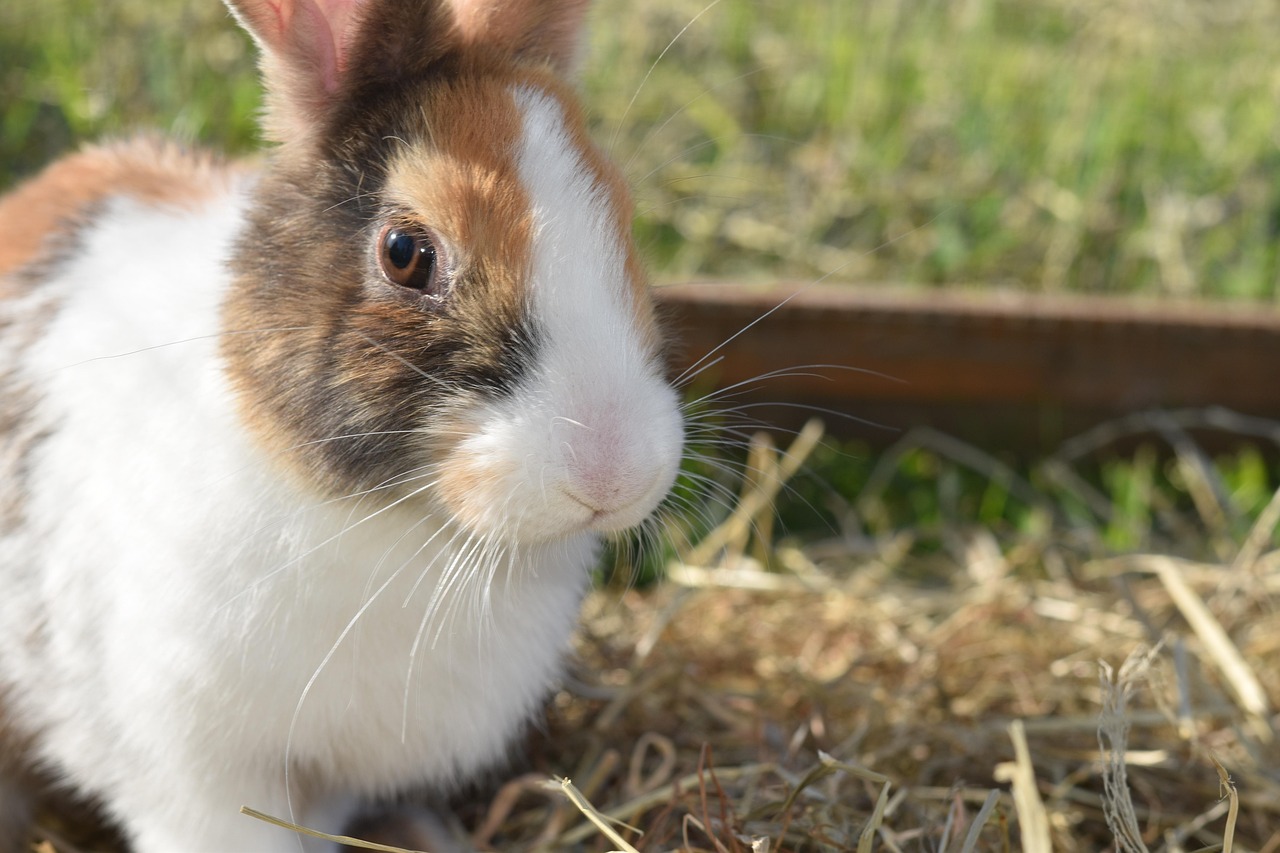
A rabbit lying completely still on its back may look relaxed, sleepy or even comfortable.
Unfortunately, that appearance can be misleading.
Placing a rabbit on its back and keeping it in a motionless state is commonly called trancing, hypnotising or tonic immobility. The practice has sometimes been promoted as an easy way to groom rabbits, trim their nails, perform health checks or simply make them remain still.
Modern rabbit-welfare guidance does not recommend routinely using this technique.
Tonic immobility is an involuntary response associated with the rabbit’s natural prey behaviour. The rabbit may become very still, but this does not mean it has chosen to relax or fallen asleep.
Understanding what happens during rabbit trancing can help owners choose safer and more welfare-friendly ways to handle their rabbits.
What Does It Mean to Trance a Rabbit?
Trancing usually involves placing a rabbit on its back or partially on its back and holding it in that position until it becomes motionless.
The rabbit may:
- Stop struggling
- Remain unusually still
- Hold its body in one position
- Appear less responsive
This stillness is known scientifically as tonic immobility.
It is seen in several prey species and is generally considered an involuntary response that can occur when an animal feels unable to escape.
The important point is that:
A rabbit becoming motionless does not prove that it feels calm or enjoys being on its back.
The rabbit remains conscious and capable of experiencing what is happening around it.
Why Do Rabbits Enter Tonic Immobility?
Rabbits are prey animals.
Their survival behaviour includes several responses to perceived danger.
Depending on the situation, a frightened rabbit may:
- Run
- Hide
- Freeze
- Struggle
- Become defensive
- Remain motionless
Tonic immobility is considered part of this wider defensive response.
In a natural predator encounter, becoming motionless may potentially provide an opportunity for escape if the predator relaxes its grip.
When humans deliberately place rabbits into a similar position, the rabbit’s lack of movement can easily be mistaken for relaxation.
This is where the misunderstanding begins.
Is a Tranced Rabbit Asleep?
No.
A rabbit in tonic immobility is not simply asleep.
Research and rabbit-welfare organisations indicate that rabbits remain aware of their surroundings while in this state.
They may appear quiet, but quietness should not automatically be interpreted as comfort.
Rabbits are naturally capable of hiding fear and discomfort, which makes their behaviour very different from animals that communicate distress more obviously.
Does Trancing Actually Relax a Rabbit?
The evidence does not support using tonic immobility as a routine relaxation technique.
Research has measured changes in rabbits’ behaviour and physiology while they are placed in tonic immobility.
Studies have reported changes involving:
- Heart rate
- Breathing
- Stress-related hormones
- Body posture
- Eye and ear position
- Behaviour after handling
Some older research found signs consistent with stress and fear.
More recent research has shown that the physiological response can be more complicated, with some rabbits showing reductions in certain measurements while others respond differently.
This means it would be overly simplistic to say that every rabbit experiences the exact same physiological response.
However, there is still no good reason to interpret immobility as evidence that the rabbit likes being restrained on its back.
For ordinary owners, both the RSPCA and Rabbit Welfare Association & Fund recommend avoiding trancing during routine grooming and handling.
Why Rabbit Owners Should Avoid Trancing
There are several reasons not to use tonic immobility simply because it makes a rabbit easier to control.
1. Stillness Can Be Mistaken for Comfort
This is probably the biggest problem.
People naturally assume that an animal that stops struggling has become relaxed.
With rabbits, that assumption can be wrong.
A rabbit may stop moving because of an involuntary defensive response rather than because it has decided that the experience is pleasant.
Continuing a procedure simply because the rabbit is motionless therefore risks ignoring its emotional state.
2. Rabbits Cannot Choose to Leave
Good rabbit handling should provide as much security and predictability as possible.
During trancing, the rabbit is deliberately restrained in a vulnerable position and cannot move away.
For routine activities such as brushing or checking the coat, there is usually no welfare reason to induce this state.
Many routine care tasks can be performed while keeping the rabbit upright.
3. Sudden Struggling Can Cause Injury
A rabbit that appears completely still may suddenly attempt to escape.
Rabbits have powerful hind legs and relatively delicate skeletal structures.
If an inadequately supported rabbit suddenly kicks, twists or jumps from a person’s hands, it may injure itself.
The risk is particularly important when handling rabbits on tables, beds or other raised surfaces from which they could fall.
Proper support is therefore essential whenever a rabbit needs to be picked up.
4. It Can Encourage Poor Handling Habits
Trancing can appear convenient.
A rabbit that would normally move during nail trimming or grooming suddenly stays still, which may make the technique attractive to inexperienced owners.
But convenience for the owner should not be the main measure of good animal handling.
The better question is:
Can this task be performed safely while keeping the rabbit in a more natural and supported position?
For routine grooming and health checks, the answer is usually yes.
5. It May Affect the Rabbit’s Response to Handling
Rabbits learn from repeated experiences.
If handling repeatedly involves forceful restraint or frightening situations, some rabbits may become more reluctant to approach or tolerate handling.
This can make future activities such as:
- Grooming
- Nail trimming
- Health checks
- Carrier training
- Veterinary visits
more difficult.
Building cooperative handling habits from the beginning can make routine care easier for both the rabbit and owner.
Does Repeated Trancing Make a Rabbit Get Used to It?
A rabbit may enter tonic immobility more quickly after repeated exposure.
However, this should not automatically be interpreted as the rabbit learning to enjoy the experience.
Rabbit-welfare guidance warns that becoming immobile more quickly does not necessarily represent increased comfort.
The rabbit may simply have learned to anticipate what is about to happen.
This is an important difference.
Less resistance does not always mean less fear.
Should You Trance a Rabbit for Grooming?
Routine grooming does not normally require trancing.
Most brushing can be performed while the rabbit remains upright on a secure surface.
Choose a quiet location and allow the rabbit to stand, sit or lie naturally.
A non-slip mat or towel can help provide secure footing.
Use gentle grooming sessions rather than attempting to complete everything at once when a rabbit is becoming frightened.
Long-haired rabbits may require frequent grooming, so developing a calm routine is particularly important.
How to Groom a Rabbit Without Trancing
Place the rabbit on a secure, non-slip surface at or near ground level where possible.
Allow it to remain upright.
Gently brush sections of the coat while monitoring the rabbit’s behaviour.
If the rabbit becomes increasingly distressed, take a break.
Short, regular grooming sessions may be easier than occasional long sessions.
For difficult mats or complicated grooming problems, seek assistance from a rabbit-experienced veterinarian or groomer rather than forcing the rabbit onto its back.
Can You Trim Rabbit Nails Without Trancing?
Yes.
Trancing should not be necessary for routine nail trimming.
Some rabbits can have their nails trimmed while sitting naturally.
Others may need to be securely held by one person while another trims the nails.
Always support the hindquarters.
If the rabbit becomes extremely distressed or you are unsure how to hold it safely, ask a rabbit-experienced veterinarian or veterinary nurse to demonstrate an appropriate technique.
It is better to get professional assistance than risk dropping or injuring the rabbit.
How Should You Hold a Rabbit Safely?
When a rabbit genuinely needs to be lifted, support its body properly.
The hindquarters are particularly important because rabbits can kick powerfully.
A secure hold generally involves supporting both the front of the body and the hindquarters while keeping the rabbit close to your own body.
Do not allow the rabbit’s rear legs to hang unsupported.
When returning the rabbit to the ground, lower yourself with it rather than releasing it from height.
Keep a secure hold until its feet are safely on the surface.
Never lift a rabbit by:
- Its ears
- Its legs
- Its tail
Do not squeeze the rabbit tightly.
Firm support and forceful restraint are not the same thing.
Avoid Unnecessary Picking Up
Many rabbits prefer interacting with people while keeping their feet on the ground.
Instead of repeatedly lifting your rabbit for affection, try sitting at floor level.
Allow the rabbit to approach you.
You can build trust through:
- Gentle stroking
- Calm interaction
- Appropriate treats
- Foraging games
- Regular routines
- Spending quiet time nearby
Some rabbits become very affectionate without ever enjoying being carried.
Respecting this can strengthen the relationship rather than weaken it.
How to Perform Simple Health Checks Without Trancing
Routine health checks can usually be performed without putting a rabbit into tonic immobility.
Regularly check:
- Eyes
- Nose
- Ears
- Coat
- Skin
- Feet
- Nails
- Rear end
- Weight
- Eating habits
- Droppings
You can gently feel along the rabbit’s body while it remains in a supported position.
Some examinations, particularly around the mouth or underside, can be more difficult.
If you cannot perform a check safely without struggling with the rabbit, veterinary help is preferable to forcing the animal into an unsafe position.
What If My Rabbit Hates Being Handled?
First, determine whether the rabbit dislikes handling generally or whether its behaviour has recently changed.
Sudden aggression or resistance to being touched can sometimes indicate pain.
A rabbit with:
- Dental disease
- Arthritis
- Injury
- Sore feet
- Abdominal discomfort
- Another painful condition
may resist handling because touching or lifting hurts.
A significant change in behaviour should therefore be investigated rather than automatically treated as a training problem.
If the rabbit is healthy but frightened of handling, gradually work on trust.
Start with interactions at ground level.
Reward calm voluntary approaches and avoid chasing the rabbit unnecessarily.
Are There Any Situations Where Tonic Immobility May Be Used?
This is where the subject requires some nuance.
Rabbit owners should not routinely trance rabbits for grooming, entertainment or ordinary handling.
However, veterinary professionals may sometimes use positioning that produces tonic immobility during certain specific diagnostic or medical procedures.
For example, rabbit-welfare guidance notes that in particular circumstances, such as obtaining certain diagnostic X-rays, tonic immobility may occasionally allow a necessary procedure to be completed without sedation or anaesthesia.
This does not make routine trancing acceptable.
Veterinarians make these decisions by considering:
- Why the procedure is necessary
- The individual rabbit
- Whether the rabbit can be safely supported
- Alternative restraint methods
- Risks associated with sedation or anaesthesia
- The medical benefit of completing the procedure
That decision belongs in a veterinary context.
Pet owners should not imitate medical restraint techniques simply because they have seen them used at a clinic.
Tonic Immobility Does Not Provide Pain Relief
Another important misconception is that a rabbit that remains still during tonic immobility will not feel pain.
That is incorrect.
Tonic immobility should never be treated as an alternative to anaesthesia or pain relief.
The rabbit remains capable of experiencing pain.
A painful procedure must therefore receive appropriate veterinary pain management regardless of whether the animal appears motionless.
What About Social Media Videos of Tranced Rabbits?
Videos sometimes show rabbits lying motionless on people’s laps with captions suggesting that the rabbit has been “hypnotised” or put to sleep.
These videos can make the practice look harmless.
The problem is that viewers see only the rabbit’s stillness.
They cannot determine from a short video whether the rabbit is experiencing tonic immobility, how it was positioned, what happened before the recording or how it behaved afterwards.
Do not copy an animal-handling technique simply because the rabbit appears calm in a video.
Use current rabbit-welfare guidance instead.
Signs a Rabbit Is Uncomfortable With Handling
Not every rabbit reacts in the same way.
Possible signs of fear or discomfort during handling include:
- Struggling
- Trying to escape
- Flattening the body
- Wide eyes
- Tense posture
- Thumping
- Hiding afterwards
- Becoming reluctant to approach
- Defensive behaviour
Some rabbits may freeze instead of struggling.
Again, stillness should not automatically be interpreted as enjoyment.
Help Children Handle Rabbits Safely
Children should be taught that rabbits are not toys.
A child should not be encouraged to place a rabbit on its back, chase it around an enclosure or carry it without appropriate supervision.
Ground-level interaction is often safer.
Children can sit quietly and allow the rabbit to approach them.
This allows them to interact without creating unnecessary risk of the rabbit being dropped.
Adults remain responsible for ensuring that handling is safe for both the child and rabbit.
What to Do If You Have Tranced Your Rabbit Before
If you have previously used trancing because you believed it was safe, simply change your handling routine going forward.
There is no benefit in repeatedly testing whether your rabbit will enter tonic immobility.
Instead, learn upright handling techniques and work on making grooming and health checks predictable.
Observe what your rabbit is comfortable with and keep routine restraint as brief as reasonably possible.
If you are having difficulty trimming nails, grooming or examining your rabbit without trancing, ask a rabbit-experienced veterinary professional for help.
Better Rabbit Handling Is About Security, Not Control
The objective of rabbit handling should not be to make the animal completely powerless.
Good handling aims to accomplish necessary care while:
- Supporting the rabbit’s body
- Reducing fear
- Preventing falls
- Avoiding unnecessary restraint
- Keeping procedures short
- Allowing natural positioning where possible
There will always be situations where rabbits need restraint for their safety or medical care.
Responsible handling is therefore not about never touching or restraining rabbits.
It is about choosing the least stressful effective method appropriate to the situation.
Frequently Asked Questions
What Is Rabbit Trancing?
Rabbit trancing is the common term for deliberately placing a rabbit on its back or in a similar position until it becomes unusually motionless. The response is known as tonic immobility.
Is a Tranced Rabbit Relaxed?
You should not assume so.
The rabbit remains conscious, and research has associated tonic immobility with behavioural and physiological responses related to fear and stress.
Does Trancing Put a Rabbit to Sleep?
No.
Tonic immobility is not normal sleep.
Can I Trance My Rabbit to Cut Its Nails?
Routine nail trimming should generally be performed without deliberately inducing tonic immobility.
If trimming is difficult, ask a rabbit-experienced veterinary professional to demonstrate safer restraint.
Can I Trance a Rabbit for Grooming?
Rabbit-welfare organisations do not recommend tonic immobility for routine grooming.
Keep rabbits upright where possible and use short, calm grooming sessions.
Is Trancing Painful?
Tonic immobility itself should not be treated as pain relief.
A motionless rabbit remains capable of feeling pain, so painful procedures still require appropriate veterinary analgesia or anaesthesia.
Can a Veterinarian Put a Rabbit on Its Back?
Veterinarians may sometimes use particular positions or tonic immobility for specific medical or diagnostic procedures when they judge it appropriate.
That professional exception does not mean owners should trance rabbits routinely at home.
Why Does My Rabbit Stop Fighting When I Put It on Its Back?
The loss of struggling may represent tonic immobility rather than relaxation.
Do not use lack of resistance as proof that the rabbit enjoys the position.
Final Thoughts
Learning why you should never trance a rabbit during routine handling starts with understanding that stillness does not necessarily mean relaxation.
Tonic immobility is an involuntary state associated with prey-animal behaviour.
A rabbit may remain motionless while still being aware of what is happening.
For this reason, rabbit-welfare organisations do not recommend deliberately inducing tonic immobility for ordinary grooming, health checks, entertainment or routine restraint.
Instead, keep rabbits upright wherever possible.
Support their hindquarters properly when lifting is genuinely necessary, use secure non-slip surfaces for grooming and allow rabbits to interact with people at ground level whenever practical.
There are limited veterinary circumstances where professionals may decide that a particular restraint position or tonic immobility provides a medical benefit that outweighs the disadvantages. Those decisions require professional judgment and should not be confused with routine home handling.
The goal of responsible rabbit handling is not simply to make the rabbit remain still.
It is to complete necessary care safely, gently and with as little distress as reasonably possible.
Sources and Further Reading
For additional guidance on tonic immobility and safe rabbit handling, readers can consult:
- Rabbit Welfare Association & Fund — Tonic Immobility (Trancing)
- Rabbit Welfare Association & Fund — Handling Rabbits
- RSPCA — Tonic Immobility in Rabbits
- Published veterinary research on tonic immobility and physiological responses in rabbits
This article is intended for general educational purposes and does not replace advice from a qualified veterinarian.
