

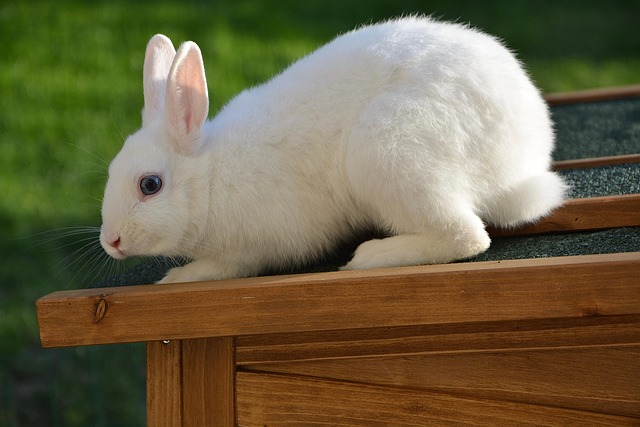
Keeping your rabbit’s living area clean is an important part of good rabbit care.
Rabbits are naturally clean animals, and many learn to use a litter tray. However, hay, urine, droppings, loose fur and fresh food can quickly make an enclosure dirty if it is not maintained regularly.
A dirty or damp living space can contribute to unpleasant smells, skin irritation, sore feet, flies and poor air quality. It can also make it more difficult to notice changes in your rabbit’s urine or droppings that could indicate a health problem.
The good news is that keeping a rabbit enclosure clean does not have to mean performing a major deep clean every day.
A simple routine of daily spot cleaning combined with regular thorough cleaning can keep the environment comfortable without unnecessarily disrupting your rabbit.
This guide explains how to keep your rabbit’s cage or enclosure clean, which areas need daily attention, what litter materials to use, which cleaning products are appropriate and how to control urine stains and odours safely.
Rabbit Cage or Rabbit Enclosure?
Many people search for information about cleaning a “rabbit cage,” but a small traditional cage should not be a rabbit’s complete living space.
Rabbits need room to:
- Hop
- Run
- Stretch out
- Stand upright
- Explore
- Rest
- Hide
- Exercise
A suitable setup may include a large enclosure, pen, rabbit-proofed room, hutch-and-run system or another spacious living arrangement.
Throughout this guide, the term rabbit enclosure refers to the rabbit’s complete living space.
The same basic cleaning principles can be used for indoor rabbit pens, outdoor hutches, litter-trained rabbits and larger rabbit housing systems.
Why Is Cleaning a Rabbit Enclosure Important?
Cleaning is about much more than preventing bad smells.
Urine and faeces that accumulate for long periods create an unhealthy environment.
Wet surfaces and dirty bedding can expose a rabbit’s feet and skin to constant moisture.
Poorly maintained toilet areas can also contribute to high levels of ammonia in the air, particularly when ventilation is poor.
Good hygiene helps maintain:
- Dry flooring
- Cleaner fur
- Better air quality
- Cleaner food and water
- Healthier feet
- Lower fly attraction
- A more comfortable environment
Cleaning also gives you an opportunity to inspect the enclosure for damage, pests, spoiled food and unusual changes in your rabbit’s waste.
How Often Should You Clean a Rabbit Cage?
There is no schedule that fits every rabbit and every enclosure.
As a useful general routine:
Toilet and heavily soiled areas should be checked and cleaned every day.
The entire living area can then be cleaned thoroughly approximately once a week, or sooner when necessary.
You may need to clean more frequently if:
- Several rabbits share the enclosure
- The litter tray is small
- Bedding becomes wet quickly
- The rabbit has urinary or digestive problems
- The weather is hot and humid
- Flies are becoming a problem
- The enclosure has poor drainage
A large, well-organised enclosure with litter-trained rabbits may require less disruption than a small area that becomes dirty quickly.
Use the actual condition of the enclosure as your guide.
Daily Rabbit Enclosure Cleaning Routine
Daily maintenance should be quick.
Focus on the areas that become dirty fastest.
1. Clean the Toilet Area
The litter tray or toilet area usually collects most of the urine and droppings.
Remove heavily soiled litter every day.
Depending on the litter system, you may replace the dirty section or empty and refresh the whole tray when needed.
Check underneath the litter for wet areas.
If urine has reached the bottom of the tray, clean and dry it before adding fresh litter.
A clean toilet area is one of the easiest ways to reduce odour.
2. Remove Spoiled Fresh Food
Fresh vegetables and greens should not remain in the enclosure until they become rotten or mouldy.
Remove uneaten fresh food before it spoils.
This becomes especially important in Ghana and other hot climates because warm conditions can cause food to deteriorate more quickly.
Spoiled food may also attract:
- Flies
- Ants
- Cockroaches
- Rodents
- Other pests
Hay should also be checked.
Discard hay that has become heavily soiled, wet or mouldy.
3. Check Drinking Water
Rabbits should always have clean drinking water.
Check bowls and bottles every day.
Remove:
- Hay
- Bedding
- Droppings
- Dirt
- Algae or slime
from drinking containers.
Wash the container when necessary and refill it with fresh water.
If you use a drinking bottle, make sure the valve is actually working rather than simply checking whether water remains inside the bottle.
4. Remove Wet Bedding
Wet bedding should not remain beneath a rabbit.
Remove areas affected by:
- Urine
- Water spills
- Rain
- Wet food
and replace them with clean, dry material.
Persistent dampness can affect the rabbit’s skin and feet.
If bedding repeatedly becomes wet in the same place, investigate the cause.
There may be a leaking bottle, poorly positioned bowl, roof leak or urinary problem.
5. Sweep Loose Waste
Hay naturally spreads around rabbit housing.
You do not need to remove every clean strand immediately, but accumulated waste should be swept or collected regularly.
Remove excessive:
- Loose fur
- Dirty hay
- Droppings
- Food debris
- Damaged cardboard
This helps keep the environment manageable between full cleans.
Rabbit Droppings: Do You Need to Remove Every One?
Rabbit owners sometimes become concerned about seeing a few normal hard droppings outside the litter tray.
It is not necessary to panic over every dropping.
Healthy rabbits may occasionally leave hard droppings outside the toilet area, particularly when marking territory or adjusting to litter training.
Clean them during routine maintenance.
More importantly, pay attention to changes in the rabbit’s droppings.
Very small droppings, substantially fewer droppings, no droppings, true diarrhoea or persistent soft faecal material may indicate a health problem.
Cleaning should not become so automatic that you fail to notice these changes.
How to Deep Clean a Rabbit Enclosure
A more thorough clean can usually be performed around once a week, depending on how dirty the housing becomes.
Step 1: Move the Rabbits Safely
Place the rabbits in a secure exercise area, carrier, pen or another familiar safe location.
If bonded rabbits live together, try to keep them together unless there is a medical reason not to.
Make sure the temporary area contains:
- Water
- Hay
- A hiding place
- Safe flooring
Do not leave rabbits somewhere hot or exposed while cleaning their enclosure.
Step 2: Remove Portable Items
Take out items such as:
- Litter trays
- Bowls
- Water bottles
- Dirty bedding
- Toys
- Mats
- Heavily soiled hay
Inspect each item for damage while it is removed.
Throw away objects that have become unsafe.
Step 3: Remove Loose Dirt First
Sweep or brush away loose hay, fur, droppings and bedding.
Cleaning products work better after physical dirt has been removed.
Do not simply spray disinfectant over layers of waste.
Step 4: Wash Dirty Surfaces
Wash soiled surfaces using water and an appropriate rabbit-safe cleaning product.
Pay particular attention to:
- Corners
- Litter areas
- Beneath bowls
- Floor edges
- Areas around water bottles
- Urine-stained surfaces
Remove visible dirt before thinking about disinfection.
Step 5: Disinfect When Appropriate
Routine cleaning and disinfection are not exactly the same thing.
Cleaning removes dirt, urine, faeces and organic matter.
Disinfection uses an appropriate product to reduce infectious organisms.
For normal household maintenance, follow the instructions for an animal-safe cleaning or disinfecting product.
More thorough disinfection becomes particularly important when there has been:
- Infectious disease
- Ringworm
- Parasites
- Diarrhoeal illness
- A new rabbit entering previously occupied housing
The Rabbit Welfare Association & Fund advises removing contaminated bedding and washing surfaces before applying a suitable disinfectant. Disinfectants should not be used around rabbits while they are being applied.
Step 6: Clean Bowls and Accessories
Wash food bowls and water containers separately.
Rinse them thoroughly.
Check bottles and drinking valves for:
- Blockages
- Cracks
- Slime
- Mineral buildup
Wash reusable toys and other suitable items when dirty.
Some cardboard enrichment should simply be replaced when heavily soiled.
Step 7: Allow Everything to Dry
Do not return rabbits to a wet enclosure.
Allow cleaned surfaces to dry properly.
A dry environment helps protect the rabbits’ skin and feet and reduces dampness.
Step 8: Add Fresh Bedding and Litter
Replace clean bedding, litter and hay.
Arrange the enclosure in roughly the familiar layout unless you have a reason to change it.
Don’t Remove Every Familiar Smell
A completely scent-free enclosure may seem ideal to humans, but rabbits understand their environment partly through smell.
Thorough cleaning can therefore be stressful.
When there is no contagious disease requiring complete disinfection, placing a small amount of clean, unsoiled used bedding back into the enclosure can help maintain a familiar scent.
This does not mean returning wet or dirty bedding.
Use only clean material that carries the rabbit’s normal scent.
If you are disinfecting because of an infectious disease or parasite problem, follow veterinary cleaning instructions instead.
Which Cleaning Products Are Safe for Rabbits?
Choose cleaning products carefully.
Rabbit housing should be cleaned with products that are:
- Suitable for animal environments
- Non-toxic when used correctly
- Properly diluted according to instructions
- Thoroughly rinsed where required
Always follow the manufacturer’s directions.
Keep rabbits away while cleaning products are being used.
Do not return them until the surface is safe and dry.
Can You Use Vinegar to Clean Rabbit Urine?
White vinegar is commonly used to help loosen mineral deposits and dried urine residue from rabbit litter trays and other suitable surfaces.
It can be useful for routine cleaning of urine scale.
However, vinegar should not automatically be treated as a complete veterinary disinfectant.
If you need to control a specific infectious organism, use a disinfectant suitable for that purpose and follow veterinary or manufacturer instructions.
For stubborn urine residue, allow the cleaning solution appropriate to the surface to loosen the deposit before scrubbing it away.
Should You Use Bleach?
Bleach should not be casually poured around a rabbit enclosure while the animal is nearby.
However, saying that bleach can never be used in animal housing would also be too broad.
Certain disinfectants may be appropriate in specific circumstances when correctly diluted and used according to professional or manufacturer instructions.
The important rules are:
- Remove rabbits before disinfection
- Use an appropriate product
- Follow dilution instructions exactly
- Provide ventilation
- Rinse where required
- Allow surfaces to dry fully
For normal household cleaning, an appropriate rabbit-safe product is usually easier to use safely.
For disease outbreaks, ask your veterinarian which disinfectant is effective against the particular organism involved.
Never Mix Cleaning Chemicals
Do not mix household cleaning chemicals together.
In particular, mixing certain chlorine-containing products with ammonia or acids can create dangerous fumes.
Use one appropriate cleaning product according to its instructions.
More chemicals do not mean better cleaning.
Rabbit Litter: What Should You Use?
A suitable rabbit litter should be absorbent and safe.
Options can include:
- Paper-based non-clumping litter
- Shredded paper
- Other rabbit-safe absorbent materials
Depending on the setup, hay may also be placed in or around the litter tray because rabbits often eat while using the toilet.
Avoid litter products that expand dangerously, clump strongly or create excessive dust.
Traditional clumping cat litter is generally not the best choice for rabbits.
Highly dusty material can also irritate the respiratory system.
Be Careful With Wood Products
Not every wood-based litter or bedding product is the same.
If you use wood material, choose a product considered appropriate for rabbits.
Avoid strongly aromatic materials and excessively dusty shavings.
The RSPCA specifically recommends dust-free, non-cedar wood shavings where wood shavings are used.
When uncertain, a reputable paper-based rabbit litter is a straightforward option.
How to Make Litter Training Easier
Rabbits often naturally choose one or more areas for toileting.
Use that behaviour to your advantage.
Place the litter tray where the rabbit already prefers to urinate.
Adding hay above or beside the litter tray can also encourage use because rabbits commonly eat and pass droppings at the same time.
If your rabbit urinates in a different corner repeatedly, consider moving the tray rather than repeatedly fighting its preferred location.
Neutering can also improve litter habits in many pet rabbits, particularly where territorial marking is involved.
Why Has My Litter-Trained Rabbit Suddenly Become Messy?
A sudden loss of good toilet habits should not always be treated as bad behaviour.
Possible reasons can include:
- A new environment
- Territorial changes
- Another rabbit
- Hormonal behaviour
- Stress
- Arthritis
- Mobility problems
- Urinary disease
- Pain
A rabbit that suddenly begins urinating outside the litter tray, particularly with straining, wet fur, abnormal urine or reduced appetite, may need veterinary assessment.
Controlling Rabbit Urine Smell
Strong odour usually means the cleaning routine, ventilation or litter setup needs attention.
To reduce smells:
- Clean toilet areas daily
- Use absorbent litter
- Remove wet material
- Provide good ventilation
- Clean urine deposits before they build up
- Use sufficiently large litter trays
Do not solve odour problems by filling the area with perfumes, air fresheners or heavily scented cleaners.
Rabbits have sensitive respiratory systems, and strong fragrance does not replace proper hygiene.
Why Ventilation Matters
A rabbit enclosure should be clean and well ventilated.
Waste left in poorly ventilated housing can contribute to unpleasant and irritating air conditions.
This is particularly important in:
- Sheds
- Enclosed rabbit rooms
- Large rabbitries
- Hot climates
Do not completely seal an outdoor rabbit enclosure in an attempt to keep it clean or protected from rain.
Fresh air must still be able to circulate.
Cleaning Outdoor Rabbit Housing
Outdoor housing requires additional attention because of weather and wildlife.
Check for:
- Rain entering the sleeping area
- Wet bedding
- Mud
- Flies
- Ants
- Rodents
- Mould
- Damaged wood
- Blocked drainage
Move feed storage away from locations where rain or rodents can reach it.
A raised, well-drained shelter can help prevent the base from remaining damp.
Rabbit Enclosure Cleaning in Ghana and Other Hot Climates
Warm temperatures can make hygiene problems develop quickly.
In Ghana and other tropical environments, rabbit owners and farmers should pay particular attention to:
- Flies
- Spoiled fresh food
- Water contamination
- Damp housing during the rainy season
- Humidity
- Rodents
- Feed storage
Clean fresh-food waste promptly.
Check water more than once during extremely hot weather.
Keep waste management areas away from feed storage.
During the rainy season, make sure the rabbitry drains properly and that bedding is protected from rain.
At the same time, maintain ventilation rather than sealing the rabbit house completely.
Flystrike Makes Hygiene Especially Important
A dirty or wet rear can attract flies.
In some circumstances, flies can lay eggs on a rabbit, and the resulting maggots can cause flystrike.
Flystrike is a veterinary emergency.
Check the rabbit’s rear every day, particularly during warm weather.
A rabbit that repeatedly develops a dirty bottom may have an underlying problem such as:
- Obesity
- Dental disease
- Arthritis
- Digestive problems
- Urinary disease
Do not simply keep washing the rabbit without finding out why it cannot remain clean.
Don’t Bathe the Rabbit During Cage Cleaning
Cleaning the enclosure does not mean the rabbit needs a bath.
Healthy rabbits groom themselves and generally do not require routine full-body bathing.
If a rabbit repeatedly becomes soaked in urine or covered in faecal material, investigate the cause.
Ask a rabbit-experienced veterinarian how to clean the animal safely when necessary.
A Simple Rabbit Cleaning Schedule
Every Day
Check and clean the toilet area, remove spoiled food, refresh water, remove wet bedding and inspect the rabbit’s rear.
During the Week
Spot-clean dirty flooring, wash bowls when needed, remove damaged enrichment and control loose fur or hay.
Approximately Once a Week
Perform a more thorough enclosure clean, adjusting the frequency according to how much soiling occurs.
Regularly
Inspect the enclosure for damage, deep-clean litter trays, check water equipment and review whether the current litter and bedding setup is working well.
Common Cleaning Mistakes to Avoid
Avoid these common mistakes:
- Waiting until the enclosure smells strongly before cleaning
- Leaving wet litter for several days
- Using highly scented products to hide odour
- Spraying chemicals while rabbits remain inside
- Returning rabbits before surfaces are dry
- Allowing rotten vegetables to remain in the enclosure
- Using very dusty litter
- Using unsuitable clumping litter
- Completely removing familiar smells unnecessarily
- Cleaning without checking the rabbit’s droppings and urine for changes
- Ignoring the cause of repeated wet bedding
- Mixing cleaning chemicals
Good cleaning should improve the environment without creating new risks.
Frequently Asked Questions
How Often Should I Clean My Rabbit’s Cage?
Clean toilet areas every day.
The whole enclosure should generally receive a thorough clean around once a week, although heavily soiled housing may need cleaning more frequently.
Can I Clean a Rabbit Cage With Vinegar?
White vinegar is commonly useful for loosening dried urine and mineral deposits on suitable surfaces.
It should not automatically be considered a substitute for a veterinary disinfectant when infectious disease is involved.
What Is the Best Litter for Rabbits?
An absorbent, low-dust, non-clumping material suitable for rabbits is generally a good choice.
Paper-based litter is a common option.
Can I Use Cat Litter for Rabbits?
Avoid traditional clumping or highly dusty cat litter.
If using a product marketed for cats, make sure it is a non-clumping, non-expanding material considered safe for rabbits.
Why Does My Rabbit’s Enclosure Smell So Strongly?
Strong odour may result from urine accumulation, wet litter, insufficient cleaning, inadequate ventilation or an unsuitable litter setup.
Cleaning toilet areas daily usually makes a significant difference.
Should I Completely Remove All Old Bedding?
Remove dirty and wet bedding.
During normal cleaning, returning a small amount of clean, familiar-smelling used bedding can help reduce the disruption caused by cleaning.
Do not do this when complete disinfection is necessary because of infectious disease.
Is Rabbit Urine Supposed to Leave White Deposits?
Rabbit urine can contain calcium compounds that leave pale or chalky mineral deposits after drying.
However, unusually thick urine, straining, blood, discomfort or other urinary changes should be discussed with a veterinarian.
Final Thoughts
Learning how to keep your rabbit’s cage clean is mainly about developing a consistent routine.
Clean the toilet area every day, remove wet bedding and spoiled food, keep water containers clean and perform a more thorough enclosure clean regularly.
Use appropriate, non-toxic cleaning products and keep rabbits away while disinfectants are being used.
Remember that cleaning should not be so aggressive that every familiar scent is unnecessarily removed. During routine cleaning, retaining a small amount of clean used bedding can help the enclosure continue to smell familiar.
Good hygiene also gives you an important opportunity to monitor your rabbit’s health.
Pay attention to changes in urine, droppings, food intake and the condition of the rabbit’s rear while cleaning.
For rabbit keepers in Ghana and other tropical environments, good sanitation becomes particularly important because warm temperatures, humidity and flies can increase hygiene challenges.
A clean, dry, spacious and well-ventilated enclosure supports much more than a pleasant smell.
It contributes directly to your rabbit’s comfort and overall welfare.
Sources and Further Reading
For further information about rabbit housing, hygiene and litter management, readers can consult:
- RSPCA — Creating a Good Home for Rabbits
- RSPCA — Rabbit Health and Housing Guidance
- Rabbit Welfare Association & Fund — Rabbit-Safe Disinfectants and Hygiene
This article provides general educational information and does not replace veterinary advice where illness or infectious disease is suspected.
