

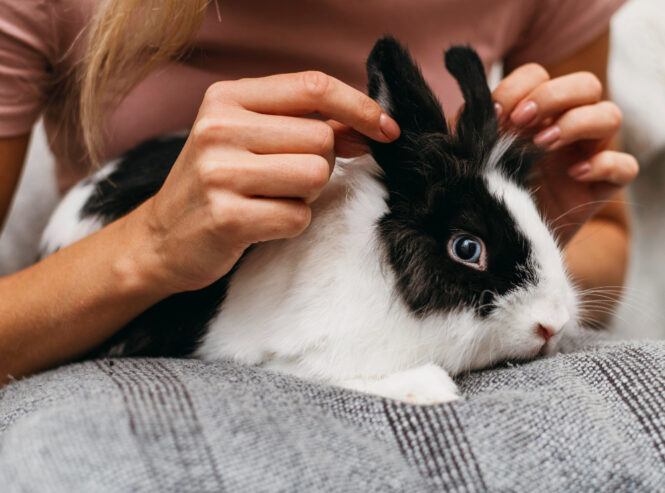
Rabbits are gentle, intelligent, and affectionate animals, but caring for them properly requires more than just food and a cage. Whether you’re a first-time bunny owner or looking to sharpen your knowledge, understanding proper rabbit care tips will help your furry friend live a long, healthy, and happy life. In this post, you’ll learn how to create the best environment, diet, grooming routine, and care habits for your rabbit, straight from proven, vet-approved practices.
1. Provide a Proper Living Space
One of the most important rabbit care tips is ensuring your bunny has a safe, spacious, and comfortable living environment. Many people underestimate how much space rabbits need. These are active, hopping animals that require room to stretch, explore, and exercise.
What a Good Rabbit Home Should Include:
- A large indoor pen, x-pen, or rabbit-proofed room
- Soft, safe bedding such as paper bedding or fleece
- Multiple hiding spots (tunnels, hide boxes, etc.)
- Fresh hay, water, and litter box access at all times
Wire-bottom cages should be avoided because they can injure your rabbit’s feet. A rabbit’s home must feel like a sanctuary: clean, cozy, and safe.
2. Feed a Proper Rabbit Diet
Diet is at the core of all good rabbit care tips you must know. What your bunny eats directly affects their digestive health, teeth, and overall well-being.
The Ideal Rabbit Diet Includes:
- Hay (80%): Timothy or orchard grass should be available 24/7
- Fresh vegetables (10–15%): Romaine, kale, cilantro, parsley, basil, etc.
- Pellets (5–10%): High-quality, plain pellets with no seeds or colored bits
- Fresh water daily
Foods to Avoid or limit given your rabbit:
- Carrots (only occasional treat)
- Iceberg lettuce
- Seeds, nuts, and grains
- Avocado, chocolate, or anything sugary
Giving them a balanced diet is essential to prevent obesity, gut stasis, and dental issues, and you should always serve them well with a balanced diet.
3. Understand Rabbit Behavior
Understanding how rabbits communicate is one of the most underrated rabbit care tips. Rabbits use body language, subtle movements, and sounds to express their emotions.
Common Behaviors and Meaning:
- Chinning: Marking territory
- Thumping – Fear or alert
- Zoomies & binkies – Extreme happiness
- Hiding – Stress or illness
- Grinding teeth loudly, Pain
The more you observe your rabbit, the better you’ll understand their personality and needs.
4. Groom Your Rabbit Regularly
Rabbits are clean animals, but they still need help staying well-groomed. Proper grooming prevents fur blockages, skin problems, overheating, and discomfort.
Essential Grooming Tasks:
- Brushing (especially during shedding seasons)
- Trimming nails every 4–6 weeks
- Checking ears for wax buildup or mites
- Inspecting teeth for overgrowth
- Cleaning scent glands if needed
Avoid giving rabbits baths, as this can cause shock and stress.
5. Litter Train Your Rabbit
Litter training is one of the most practical rabbit care tips, and the good news is that rabbits are naturally clean animals and can learn fast.
How to Litter Train a Rabbit:
- Place a litter box in their main bathroom corner
- Use paper-based or wood-based litter
- Put hay near or inside the litter box (rabbits poop while eating)
- Reward your rabbit with treats when they use the box
Never use clay or clumping litter for your bunny; they’re dangerous if ingested into their system.
6. Provide Daily Exercise
Rabbits need physical activity like hopping, slow movements, and others to maintain a healthy weight, strong muscles, and a happy mind.
Daily Exercise Tips:
- Provide at least 2–4 hours of free roam time
- Create obstacles, tunnels, and hideouts
- Let your rabbit explore safely under supervision
- Offer enrichment toys to reduce boredom
If rabbits don’t exercise as described above, they may become obese, have digestive issues, or experience depression.
7. Keep Your Rabbit Mentally Stimulated
Mental health is just as important as physical health and must be taken note of and acted upon. One of the most overlooked rabbit care tips is providing enrichment activities to keep your bunny from becoming bored or destructive.
Great Enrichment Ideas:
- Treat-dispensing toys
- Hay-filled toilet paper rolls
- Foraging boxes
- Digging boxes
- Cardboard hideouts
- Chew toys
Bored rabbits who do not get mental stimulation may chew furniture, dig carpets, or develop behavior issues.
8. Take Your Rabbit for Regular Vet Checkups
Rabbits are prey animals; they hide illness extremely well if something seems wrong with them. This is why vet care is a critical part of proper rabbit care tips, and you should always be notified when a health issue pops up.
Essential Rabbit Health Checks Include:
- Annual wellness exams
- Dental checks
- Vaccinations (depending on your country)
- Emergency visits if your rabbit stops eating
- Parasite prevention
Common rabbit illnesses like GI stasis, ear infections, or dental disease must be treated immediately.
9. Socialize and Spend Time with Your Rabbit
Rabbits thrive on companionship, either from their human or a bonded rabbit pair. Without social interaction, rabbits may become lonely or depressed, which can negatively impact their health.
How to Socialize with Your Rabbit:
- Sit quietly near them
- Offer treats from your hand
- Talk softly to them
- Respect their space when they feel nervous
- Let them approach you at their own pace
Bonding takes time, but once trust is built, rabbits become affectionate companions.
10. Keep Your Rabbit Safe Indoors
Indoor living is one of the safest recommendations included in all rabbit care tips. Outdoor rabbits face several dangers from:
- Predators
- Heatstroke
- Toxic plants
- Parasites
- Theft or escape
- Harsh weather
Rabbits live longer, safer, and happier lives indoors than when allowed outside all the time.
Conclusion
These 10 essential rabbit care tips will help you build a healthy, safe, and loving environment for your bunny. Rabbits are sensitive but rewarding pets, and with the right care, they can live 8–12 years or more. Focus on proper diet, housing, health checks, grooming, enrichment, and trust-building; your rabbit will thank you with companionship, personality, and endless affection.
