

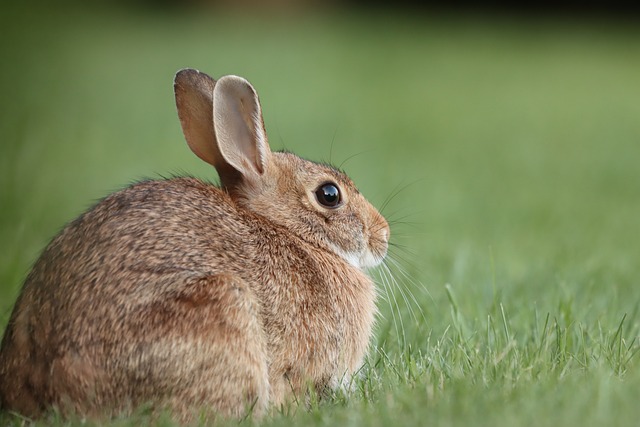
Small rabbits are popular because of their compact bodies, attractive appearance and wide variety of coat types.
However, choosing a small rabbit should never be based on size alone.
Some dwarf and miniature rabbits need additional care because of features such as:
- Shortened skulls
- Lop ears
- Woolly coats
- Very small body size
A tiny rabbit also does not need a tiny cage. Every rabbit needs enough permanent space to run, stretch, stand upright, explore and behave naturally.
This guide compares 10 popular dwarf and small rabbit breeds, including their adult size, appearance, temperament tendencies and important care considerations.
Are All Small Rabbits Dwarf Rabbits?
Not technically.
The term dwarf rabbit is often used loosely for very small rabbits.
Some breeds, such as the Netherland Dwarf and Dwarf Hotot, are clearly recognised as dwarf breeds.
Others, such as the Mini Rex, Polish and Mini Satin, are better described as small or miniature breeds.
For someone searching for “dwarf rabbit breeds,” however, these breeds are still useful to compare because they occupy a similar small-size category.
ARBA recognises all 10 breeds discussed below.
| Breed | ARBA maximum show weight | Main feature |
|---|---|---|
| Netherland Dwarf | 2.5 lb / 1.13 kg | Extremely small, upright ears |
| Holland Lop | 4 lb / 1.81 kg | Compact body, lop ears |
| Dwarf Hotot | 3 lb / 1.36 kg | White coat with dark eye bands |
| Mini Rex | 4.5 lb / 2.04 kg | Velvety Rex coat |
| Lionhead | 3.75 lb / 1.70 kg | Distinctive mane |
| Jersey Wooly | 3.5 lb / 1.59 kg | Small rabbit with wool coat |
| American Fuzzy Lop | 4 lb / 1.81 kg | Lop ears and wool coat |
| Polish | 3.5 lb / 1.59 kg | Compact, short-coated rabbit |
| Britannia Petite | 2.5 lb / 1.13 kg | Very small and energetic |
| Mini Satin | 4.75 lb / 2.15 kg | Small rabbit with shiny coat |
These are breed-standard maximum weights, not promises that every pet rabbit will weigh exactly this amount. Crossbred rabbits and pet individuals may fall outside show standards.
1. Netherland Dwarf
The Netherland Dwarf is one of the smallest recognised domestic rabbit breeds.
ARBA gives it a maximum show weight of 2.5 pounds, or approximately 1.13 kg. The breed is known for its very compact body, short upright ears and rounded head.
Netherland Dwarfs can be energetic, alert and curious.
Some individuals are confident and sociable, while others may initially be cautious around people.
Personality should therefore be judged individually rather than assuming every Netherland Dwarf will behave the same way.
Important Health Consideration
The breed has a shortened or brachycephalic head shape.
RSPCA specifically identifies Netherland Dwarfs among rabbit breeds where shortened skull shape may contribute to problems involving the teeth, eyes or tear ducts.
Watch for:
Drooling, difficulty eating hay, eye discharge, facial swelling or changes in food preference.
A hay- and grass-based diet and routine veterinary dental assessment remain important.
Care Tip
Do not reduce living space because the rabbit is tiny.
Netherland Dwarfs are active and still require plenty of room to run and explore.
2. Holland Lop
The Holland Lop was specifically developed as a smaller lop-eared breed.
ARBA lists its maximum weight as 4 pounds, or approximately 1.81 kg.
The breed is characterised by:
A compact body, broad head and ears that hang down at the sides.
Holland Lops are often kept as companion rabbits, but their personality varies considerably between individuals.
Lop-Ear Health Considerations
The attractive floppy ears require additional health monitoring.
RSPCA notes that lop-eared rabbits have an increased risk of ear disease because their ear structure reduces normal ventilation and drainage. Research cited by RSPCA found ear conditions in about 25% of lops compared with around 10% of erect-eared rabbits.
Watch for:
Head shaking, ear scratching, swelling around the ear base, discharge or head tilt.
Do not routinely pour ear-cleaning products into the ears without veterinary advice.
Care Tip
Have the ears checked during veterinary examinations even when the rabbit appears healthy.
3. Dwarf Hotot
The Dwarf Hotot is a genuinely small dwarf breed recognised by ARBA.
Its most recognisable appearance is a white coat combined with dark markings around the eyes, earning it the traditional nickname “Eye of the Fancy.”
ARBA gives the breed a maximum weight of 3 pounds, or approximately 1.36 kg.
Individual personalities vary, but the small size means careful handling is particularly important.
Care Tip
Monitor teeth, eyes and weight throughout life.
Like other dwarf-type rabbits, extreme compactness should not be mistaken for a reason to provide smaller housing or less exercise.
4. Mini Rex
The Mini Rex is slightly larger than the smallest dwarf breeds but remains a compact rabbit.
ARBA lists a maximum weight of 4.5 pounds, or approximately 2.04 kg.
The breed’s defining characteristic is its unusually soft, plush Rex coat.
The fur feels different because Rex rabbits have a coat structure in which the guard hairs do not extend normally above the undercoat.
Foot-Care Consideration
RWAF notes that Rex rabbits have less protective guard hair and may have an increased risk of pododermatitis or sore hocks.
Provide:
Comfortable solid flooring, dry resting areas and regular checks underneath the hind feet.
Grooming Tip
Mini Rex rabbits do not require aggressive brushing.
Handle the unusual coat gently and increase loose-fur removal when necessary during moulting.
5. Lionhead
Lionheads are easy to recognise because of the longer wool forming a mane around the head and neck.
ARBA lists a maximum show weight of 3.75 pounds, or approximately 1.7 kg.
Some Lionheads have relatively light manes, while others have much more extensive wool.
Grooming Requirement
The coat is the major breed-specific consideration.
Longer fur can:
Mat, trap dirt, hide skin problems and collect urine or faeces around the rear.
RSPCA warns that excessive coats in breeds such as Lionheads can create welfare problems when they are not properly maintained.
Care Tip
Check and groom the mane several times per week and more frequently during heavy shedding.
You already have a dedicated Lionhead Rabbit Care article, so this section should link to that page rather than repeating the entire care guide.
6. Jersey Wooly
The Jersey Wooly combines a small body with a wool coat.
ARBA lists its maximum weight as 3.5 pounds, approximately 1.59 kg. The breed was originally developed with the goal of producing a small wool-coated rabbit whose coat was comparatively manageable.
The breed is sometimes informally called the “no-kick rabbit,” but I would not use that nickname to promise a particular temperament.
Any frightened rabbit may struggle.
Coat Care
Although the wool may be easier to manage than some heavier wool breeds, it still needs regular inspection.
Pay attention to:
Behind the ears, under the chin, armpits, belly and rear.
Care Tip
Begin gentle grooming while the rabbit is young so regular coat maintenance becomes familiar.
Never pull tight mats away from delicate rabbit skin.
7. American Fuzzy Lop
The American Fuzzy Lop combines two features that require additional care:
Lop ears and a wool coat.
ARBA recognises the breed with a maximum weight of 4 pounds, approximately 1.81 kg.
That means owners need to monitor both:
Ear health and coat condition.
Grooming
Regularly inspect the wool for matting.
Pay particular attention to areas where friction encourages tangles.
Ear Checks
Check for:
Excessive wax, discharge, unusual smell, repeated scratching or swelling at the ear base.
Care Tip
Do not choose this breed merely because you like the look of a fluffy Holland Lop.
The wool requires a real time commitment.
8. Polish Rabbit
Despite the name, the Polish rabbit’s historical development is not as simple as the name suggests.
It is a compact small breed with upright ears.
ARBA lists a maximum weight of 3.5 pounds, approximately 1.59 kg.
Its short coat generally requires less grooming than Lionheads, Jersey Woolies or American Fuzzy Lops.
Care Tip
Like all rabbits, Polish rabbits need continuous access to suitable hay or grass.
Chew toys provide enrichment, but they should not be presented as the main method of preventing dental disease.
Long periods of eating grass and hay are more important for normal dental wear.
9. Britannia Petite
The Britannia Petite is one of the smallest ARBA-recognised breeds.
Its maximum show weight is only 2.5 pounds, approximately 1.13 kg.
However, tiny does not mean calm.
ARBA describes the Britannia Petite as active, energetic and more high-strung than many breeds.
For that reason, this may not be the best choice for someone who specifically wants a rabbit that enjoys frequent handling.
Care Tip
Provide a secure, spacious enclosure with opportunities for:
Running, exploring, hiding and foraging.
Handle calmly and support the entire body.
10. Mini Satin
The Mini Satin is a small breed recognised for its unusual shiny coat.
ARBA currently lists a maximum show weight of 4.75 pounds, approximately 2.15 kg.
That makes it larger than several rabbits on this list, which is one reason it is better described as a small or miniature breed rather than assuming every “Mini” rabbit is a true dwarf.
The coat typically requires less maintenance than wool breeds.
Care Tip
Provide a good diet, adequate exercise and environmental enrichment rather than attempting to make a young Mini Satin “grow faster.”
Healthy growth is the goal.
Which Dwarf Rabbit Is the Smallest?
Among the breeds in this article, the Netherland Dwarf and Britannia Petite both have ARBA maximum show weights of 2.5 pounds.
However, adult size varies.
Do not deliberately underfeed a rabbit in an attempt to keep it unusually small.
Likewise, avoid sellers marketing extremely tiny rabbits using terms such as:
“Teacup,” “micro rabbit” or other unofficial size labels.
Health is more important than extreme miniature appearance.
Do Dwarf Rabbits Stay Small?
Yes, genuinely small breeds remain considerably smaller than large breeds such as the Flemish Giant.
However, baby rabbits still grow.
Do not assume that a very young rabbit sold as a “dwarf” will remain exactly the size it was when purchased.
If breed and eventual size matter to you, obtain reliable information about:
Parents, pedigree where relevant and expected adult size.
Are Dwarf Rabbits Easier to Care For?
Not necessarily.
A smaller rabbit does not automatically mean:
Less work, less space, lower veterinary costs or fewer health problems.
RSPCA notes that dwarf, miniature, lop and other selectively bred rabbits may have particular inherited or conformational health concerns, including dental, ear and eye conditions.
Small rabbits still require the same fundamental welfare provisions as larger rabbits.
Do Dwarf Rabbits Need Smaller Cages?
No.
Body size may influence some dimensions, but a rabbit still needs enough permanent living space to:
Run, hop repeatedly, stretch fully, stand upright, explore, forage and rest.
Do not buy a tiny commercial cage simply because the label says it is for dwarf rabbits.
A spacious exercise pen or appropriately designed rabbit area is much better than confinement to a small cage.
What Should Dwarf Rabbits Eat?
Their small size does not require a fundamentally different type of food.
For most healthy adult pet rabbits, diet should be based primarily on:
Suitable hay and/or grass, appropriate leafy greens, measured rabbit pellets and continuous fresh water.
Exact pellet amounts should be adjusted for:
Weight, body condition, life stage, health and the particular feed.
Fruit and sugary treats should remain occasional.
Feeding Growing Dwarf Rabbits
Young rabbits should not simply be given a restricted adult diet because the owner wants them to stay tiny.
Growing rabbits have different nutritional requirements.
Provide age-appropriate nutrition and allow normal healthy development.
Our How to Raise Rabbits from Birth to Adulthood guide explains growth in more detail.
Watch Weight Carefully
Because small rabbits weigh relatively little, weight changes that look minor numerically can still be significant.
A useful habit is to weigh the rabbit regularly on the same scale.
Monitor the trend rather than obsessing over one measurement.
Unexpected weight loss can occur with:
Dental disease, digestive illness, chronic disease or inadequate feeding.
Dental Health in Dwarf Rabbits
Dental disease can affect any rabbit.
Some small or shortened-head breeds may also have anatomical characteristics associated with dental problems, although current research suggests diet remains one of the most important overall risk factors for rabbit dental disease.
Warning signs include:
Drooling, dropping food, reduced hay consumption, weight loss, facial swelling and eye discharge.
Do not clip overgrown rabbit teeth at home.
Lop Rabbits Need Additional Ear Monitoring
This applies particularly to the:
Holland Lop and American Fuzzy Lop.
Lop-eared rabbits are more prone to ear disease because the ear canal does not ventilate and drain in the same way as an upright ear.
Routine veterinary ear examinations are worthwhile.
Wool Breeds Need Additional Grooming
The highest grooming commitment among this group generally comes from breeds such as:
Lionhead, Jersey Wooly and American Fuzzy Lop.
Regularly check for:
Mats, urine contamination, dirty rear fur and hidden skin problems.
Do not buy a wool breed unless you are willing to maintain the coat throughout its life.
Which Dwarf Rabbit Breed Is Best for Beginners?
There is no single breed that is automatically best for every beginner.
A better question is:
Which individual rabbit fits your household and what health or grooming requirements are you prepared to manage?
Consider:
Temperament, coat maintenance, ear type, veterinary needs, available space and whether the rabbit already has a compatible bonded companion.
An adult rescue rabbit may actually be easier to choose than a baby because its:
Size, temperament and coat requirements are already clearer.
Dwarf Rabbits and Children
Do not select a small rabbit because you assume it will be easier for a child to carry.
Rabbits generally prefer interaction at ground level.
A tiny rabbit may be particularly vulnerable to injury if dropped.
Adults should remain responsible for:
Feeding, housing, cleaning, veterinary care and safe handling.
Small Rabbits in Ghana
Owners in Ghana should think beyond breed appearance.
Before obtaining an uncommon dwarf breed, consider whether you can provide:
A rabbit-experienced veterinarian, appropriate feed and forage, heat-safe housing and any necessary grooming.
Heat is especially important for wool-coated breeds such as:
Lionheads, Jersey Woolies and American Fuzzy Lops.
Provide permanent shade, good airflow and reliable clean water.
A small rabbit can still suffer serious heat stress.
Choosing a Healthy Dwarf Rabbit
Do not choose only by colour, tiny size or cuteness.
Look for a rabbit with:
Bright clean eyes, clean nose, normal breathing, clean rear, healthy coat and skin, normal movement and good body condition.
Ask about:
Age, diet, health history, dental problems, parents where relevant and whether the rabbit is already bonded.
Adoption from a rabbit rescue is also worth considering.
Frequently Asked Questions
What Is the Smallest Rabbit Breed?
The Netherland Dwarf is one of the smallest widely recognised rabbit breeds, with an ARBA maximum show weight of 2.5 pounds.
The Britannia Petite has the same ARBA maximum.
Is a Holland Lop a Dwarf Rabbit?
The Holland Lop was developed as a dwarfed lop breed and remains very small, with an ARBA maximum weight of 4 pounds.
How Big Does a Dwarf Hotot Get?
ARBA sets its maximum show weight at 3 pounds.
How Big Does a Lionhead Rabbit Get?
The ARBA maximum show weight is 3.75 pounds. Individual pet and mixed-breed Lionheads can vary.
Is a Mini Rex a Dwarf Rabbit?
It is better described as a small or miniature rabbit breed. ARBA gives the Mini Rex a maximum weight of 4.5 pounds.
Do Dwarf Rabbits Need Less Food?
They usually require less total food than a much larger rabbit, but feeding must still meet their individual nutritional needs.
Do not restrict food simply to keep the rabbit small.
Do Dwarf Rabbits Need Less Space?
No.
They still need substantial permanent exercise and living space.
Are Dwarf Rabbits Good Pets?
They can make excellent companion rabbits when their needs are understood.
Breed does not guarantee temperament.
Are Dwarf Rabbits More Likely to Have Dental Problems?
Dental disease can affect all rabbits. Some dwarf and short-faced breeds can have conformational concerns, while poor diet remains a major overall contributor to dental disease.
Final Thoughts
There are many attractive dwarf and small rabbit breeds, but size should never be the only reason for choosing one.
The 10 breeds covered here are:
Netherland Dwarf, Holland Lop, Dwarf Hotot, Mini Rex, Lionhead, Jersey Wooly, American Fuzzy Lop, Polish, Britannia Petite and Mini Satin.
They differ in more than appearance.
Some have:
Wool coats requiring regular grooming, lop ears requiring additional monitoring, Rex coats that need careful foot management or very compact skull shapes that deserve closer dental and eye checks.
Whatever breed you choose, healthy growth depends on the same foundations:
Plenty of suitable hay or grass, fresh water, appropriate feeding, spacious housing, exercise, companionship, veterinary care and daily observation.
Do not try to make a young rabbit stay tiny or “grow faster.”
Allow it to develop normally and monitor body condition rather than chasing a particular number on the scale.
A rabbit’s welfare matters much more than whether it meets a perfect show weight.
