

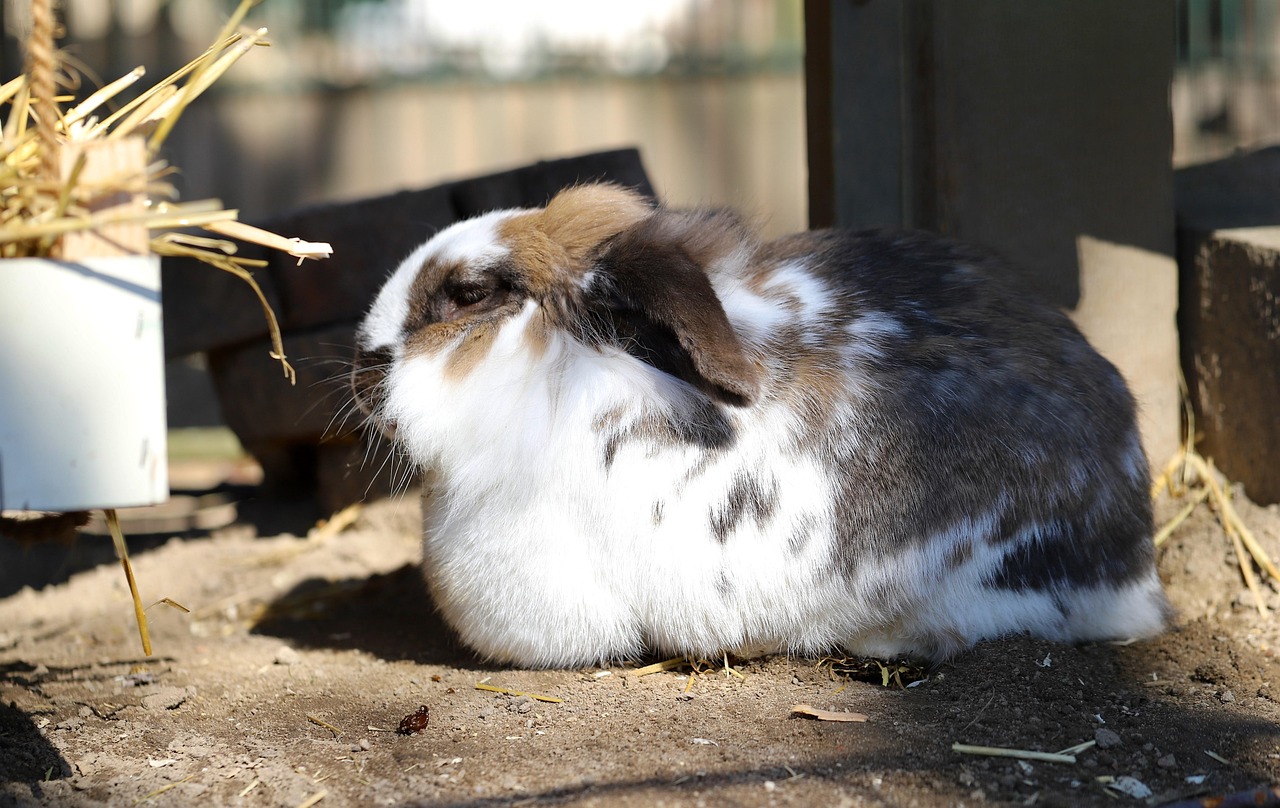
Rabbits are gentle, intelligent animals that require specific care to live healthy and comfortable lives. While much attention is often given to diet, housing, and exercise, one of the most important aspects of rabbit care is sometimes overlooked: water. Proper hydration is essential for a rabbit’s digestion, kidney function, and overall well-being. This article explains why water is vital for rabbits, how much they need, and the best ways to provide it safely.
Why Water Is Important for Rabbits
Water supports nearly every function in a rabbit’s body. Without enough water, rabbits can quickly develop serious health problems.
Supports Digestion
Rabbits rely on a constantly moving digestive system to stay healthy. Water helps soften food in the stomach and intestines, allowing it to move smoothly through the gut. Insufficient water intake can slow digestion and increase the risk of gastrointestinal problems.
Maintains Kidney and Bladder Health
Rabbits process calcium differently from many other animals, excreting excess calcium through their urine. Adequate water intake helps dilute urine and supports healthy kidney and bladder function, reducing the risk of urinary issues.
CHECK ALSO: The Complete Guide to Socializing Your Rabbit
Regulates Body Temperature
Rabbits cannot sweat, so water plays an important role in helping them regulate body temperature, especially in warm climates. Dehydration can make rabbits more vulnerable to heat stress.
How Much Water Do Rabbits Need?
The amount of water a rabbit drinks varies depending on size, diet, activity level, and environmental temperature. On average, a rabbit may drink 50–150 milliliters of water per kilogram of body weight per day.
Rabbits that eat a lot of fresh vegetables may drink slightly less water, while those eating mostly hay and pellets will usually drink more. Regardless of diet, rabbits should always have unlimited access to fresh, clean water.
Best Ways to Provide Water
Water Bowls
Water bowls allow rabbits to drink in a natural position and often encourage higher water intake. Heavy ceramic bowls are recommended because they are difficult to tip over and easy to clean.
Water Bottles
Water bottles are less likely to spill and can keep water cleaner for longer periods. However, they must be checked regularly to ensure they are working properly and not blocked.
Recommended Approach
Providing both a bowl and a bottle is often the best solution. This gives rabbits a choice and ensures they always have access to water if one source becomes unavailable.
Keeping Water Clean and Fresh
Clean water is just as important as access to water. To maintain good hygiene:
- Change water daily
- Wash bowls and bottles regularly with warm, soapy water
- Place water containers away from litter areas to avoid contamination
Fresh, clean water encourages rabbits to drink more and helps prevent illness.
Signs of Dehydration in Rabbits
Rabbit owners should watch closely for signs that may indicate dehydration, including:
- Reduced appetite
- Small or infrequent droppings
- Lethargy or reduced activity
- Dark or thick urine
If any of these signs are noticed, a veterinarian should be consulted promptly.
Conclusion
Water is a fundamental part of responsible rabbit care. It supports digestion, protects kidney health, and helps regulate body temperature. By ensuring constant access to clean, fresh water and monitoring your rabbit’s drinking habits, you can significantly improve their quality of life. Proper hydration is simple, but its impact on a rabbit’s health is profound.
