

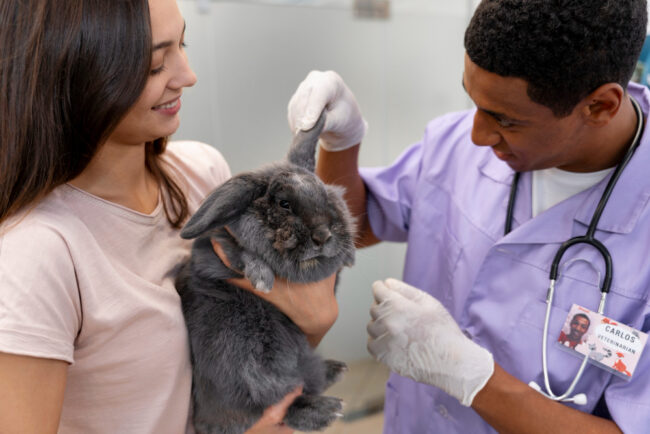
Rabbits are adorable, gentle, and intelligent pets, but like all animals, they are vulnerable to a range of rabbit health problems that can become serious if not detected early. Because rabbits are prey animals, they naturally hide pain and illness, which means many conditions go unnoticed until they become emergencies. Understanding the most common rabbit health problems and recognizing early warning signs can help you protect your bunny’s health, comfort, and quality of life.
In this complete guide, we’ll explore the top 12 rabbit health problems, their symptoms and causes, and when to seek veterinary care. If you are a rabbit owner or planning to adopt one, learning this information is one of the most important steps in responsible pet care. Keep reading and note down the important points to help you in the rabbit care business.
1. Gastrointestinal Stasis (GI Stasis)
GI stasis is one of the most dangerous rabbit health problems, and it occurs when the digestive system of the rabbit slows down or stops completely. This condition can become life-threatening within hours if not detected early or treated with emergency care.
Early Symptoms of GI Stasis
- Little or no poop from the rabbit
- Loss of appetite, no matter the hay you give
- Lethargy
- A swollen or hard stomach when you touch its belly
- Hunched sitting posture with less focus
Causes of this health problem
- Low-fiber diet
- Stress
- Pain or dental problems
- Dehydration
Prevention of GI Stasis
Provide unlimited hay and fresh water, and reduce stress among them. Seek immediate veterinary care if symptoms appear; GI stasis is always an emergency. Treat it with high priority because it kills faster.
2. Dental Disease
Rabbit teeth grow continuously, making dental disease one of the most common rabbit health problems you will ever find. Misaligned or overgrown teeth cause pain and difficulty eating when not taken care of.
Symptoms to Watch For
- Drooling or wet chin
- Weight loss
- Difficulty chewing
- Reduced appetite
- Eye discharge (caused by tooth-root pressure)
Prevention
Give your rabbits enough hay; a rich diet keeps teeth naturally worn down. Regular dental exams with your vet officer are essential to prevent serious complications as a result of the dental issues.
3. Respiratory Infections (“Snuffles”)
Respiratory infections are among the most overlooked rabbit health problems. They are often caused by bacteria such as Pasteurella multocida. These infections can quickly deteriorate the health of your rabbit if you don’t take serious action by involving your vet officer.
Warning Signs
- Sneezing or coughing
- Nasal discharge
- Runny eyes
- Noisy breathing
Respiratory infections can spread quickly and require veterinary treatment, usually antibiotics approved for rabbits.
4. Ear Mites and Ear Infections
Ear mites are tiny parasites that cause irritation, itching, and severe discomfort to rabbits who are affected. When these diseases are left untreated, they can lead to serious ear infections and even cause mortalities.
Common Symptoms
- Constant head shaking
- Scratching ears
- Crusty build-up inside the ear
- Loss of balance (in severe cases)
Avoid home remedies; always consult a rabbit-experienced vet to handle it as soon as possible.
5. Uterine Cancer (in Unspayed Females)
This disease, called uterine cancer, is one of the most serious rabbit health problems affecting female rabbits. Studies show that up to 80% of unspayed females may develop it by age four. The good news is that it can be contained when adhering to the vet officer’s direction with prompt action.
Symptoms
- Blood in urine
- Behavioral changes
- Lethargy
- Weight loss
Prevention
Spaying is the safest and most effective solution to avoid it spreading across the body or even killing your rabbit.
6. Parasites and Fleas
External parasites are uncomfortable and can lead to skin infections or anemia. How many times do you clean the cage of your rabbits? Routine hygiene can help you prevent all parasite infections.
Signs Include
- Excessive scratching
- Bald patches
- Visible fleas or dandruff flakes
Never use flea products made for dogs or cats on your rabbits, since many are toxic to rabbits.
7 Flystrike (Myiasis)
Flystrike, or myiasis disease, occurs when flies lay eggs on a rabbit’s fur, leading to maggots burrowing into the skin. It is one of the most painful and deadly rabbit health problems you may witness as a rabbit farmer. Maintain proper hygiene and constantly inspect your rabbit cage for dirt to avoid this.
Risk Factors
- Dirty or damp fur
- Obesity
- Diarrhea or mobility issues
Symptoms
- Strong odor
- Restlessness
- Visible maggots
This is a medical emergency requiring immediate treatment.
8. Head Tilt (E. Cuniculi or Ear Infection)
Head tilt, also called wry neck, occurs when a rabbit’s head turns sideways. Since the rabbit cannot easily get food or use litter, keep them clean, comfortable, fed, and hydrated.
Possible Causes
- Inner ear infections
- E. Cuniculi parasite
- Stroke or trauma
Symptoms
- Loss of balance
- Rolling or staggering
- Nystagmus (rapid eye movement)
Early intervention improves the likelihood of recovery and shields all of the rabbits in the cages from serious harm.
9 Obesity
Obesity is a growing concern in many pet rabbits and can lead to multiple rabbit health problems, such as arthritis, heart strain, and mobility loss.
Causes
- Too many pellets or treats
- Lack of exercise
- Low-fiber diet
Prevention
Encourage free-roaming playtime and prioritize hay-based nutrition.
10. Sore Hocks (Pododermatitis)
Sore hocks occur when the fur on the bottom of a rabbit’s feet wears down, causing painful sores. It is a painful pressure sore condition on a rabbit’s feet (hocks) caused by continuous pressure, friction, and subpar housing. It can be treated with environmental changes (soft bedding, non-wire floors), hygiene, weight management, and veterinary care (antibiotics, pain relief, wound care), but severe cases with bone/tendon damage may be irreversible.
Symptoms
- Red or inflamed foot pads
- Reluctance to move
- Limping
Causes
- Wire flooring
- Obesity
- Poor hygiene
Provide soft flooring, clean bedding, and proper weight management.
11. Skin Infections and Abscesses
Because rabbits have delicate skin, small wounds can quickly turn into abscesses if untreated.
Watch For
- Lumps under the skin
- Swelling or redness
- Pus drainage
- Sensitivity to touch
Abscesses require veterinary drainage and medication.
12. Digestive Upset and Diarrhea
Digestive imbalances are common rabbit health problems and can result from sudden diet changes or unsafe foods.
Symptoms
- Soft stools or diarrhea
- Strong odor
- Reduced appetite
- Dehydration
Introduce new foods slowly and avoid sugary treats or high-carb snacks.
How to Prevent Rabbit Health Problems
While not every illness is avoidable, many rabbit health problems can be prevented with proper care:
- Provide unlimited hay and a balanced diet
- Ensure clean, safe housing
- Allow daily exercise and enrichment
- Keep your rabbit indoors
- Schedule regular vet checkups
- Monitor behavior and appetite closely
Rabbits thrive best in calm, stable environments with consistent routines.
Conclusion
Understanding common rabbit health problems is one of the most important responsibilities of every rabbit owner. You can shield your rabbit from discomfort, stress, and even fatal illnesses by learning to see early signs and acting quickly when something appears off.
Always keep in mind that if your rabbit stops eating, becomes unusually silent, or exhibits abrupt behavioral changes, you should consider it an emergency and get in touch with a veterinarian who specializes in rabbits right away.
Early awareness is essential to maintaining a healthy rabbit’s lively, inquisitive, and joyful companionship.
