

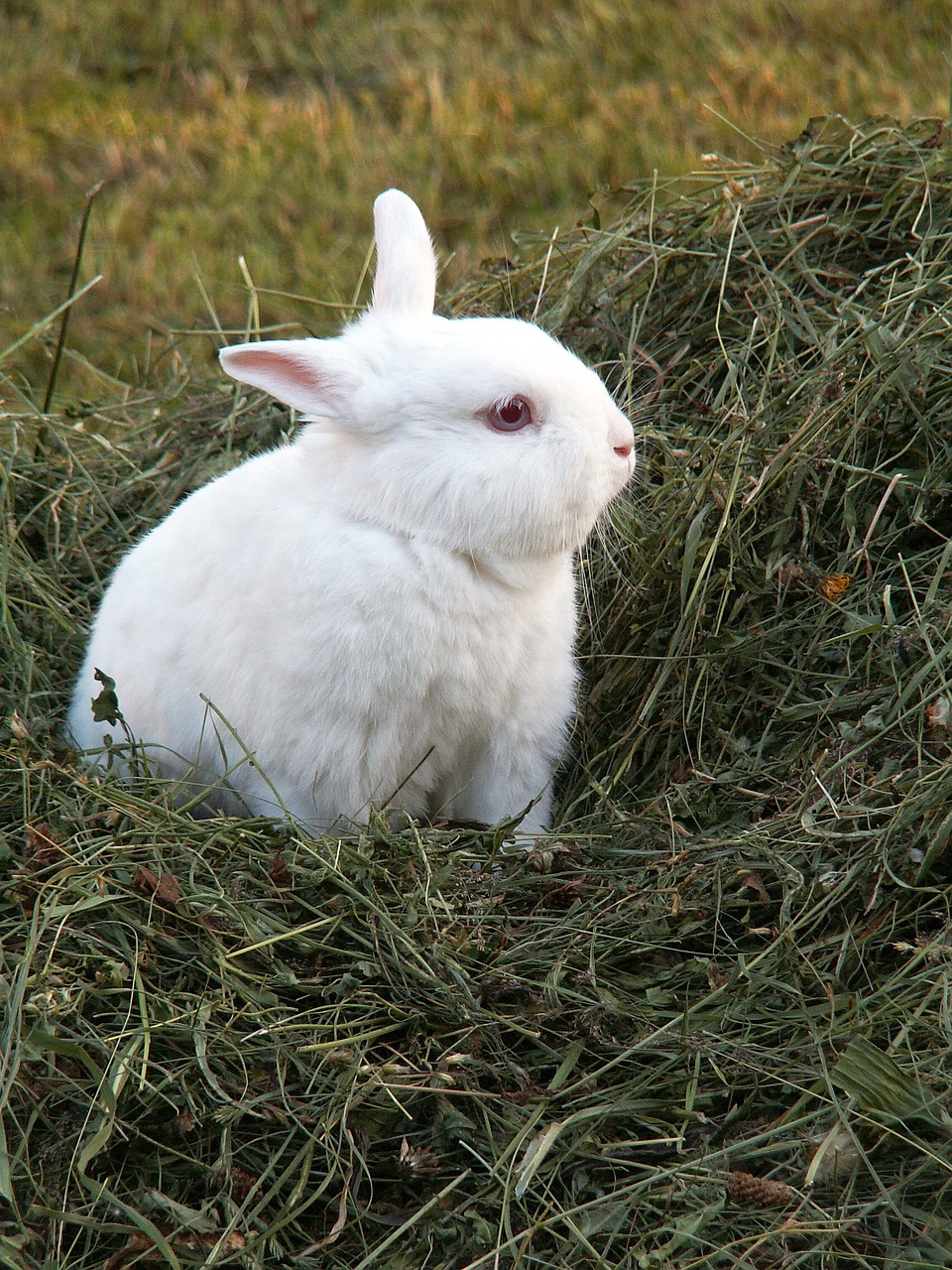
Rabbits are intelligent, gentle animals that form strong bonds with their owners. One of the most common ways people show affection to their rabbits is by offering treats. While treats can be useful for bonding, enrichment, and training, they can also negatively affect a rabbit’s health if given incorrectly. Understanding how treats impact your rabbit’s body is essential for ensuring a long, healthy, and comfortable life.
Unlike many other pets, rabbits have a highly specialized digestive system designed to process large amounts of fiber. Any imbalance in their diet—especially excess sugar or starch—can lead to serious health complications. This is why treats should always be chosen carefully and offered in moderation.
Why Treats Should Be Limited
Treats are not a nutritional requirement for rabbits. Their primary purpose is enrichment and positive reinforcement. However, rabbits do not naturally regulate their intake of sweet or rich foods. When treats are overfed, several problems can occur:
- Reduced hay consumption, leading to poor digestion
- Weight gain and obesity
- Dental problems caused by insufficient chewing
- Digestive upset, including gas and diarrhea
- Increased risk of gastrointestinal stasis, a potentially life-threatening condition
Because hay is the foundation of a rabbit’s diet, anything that reduces hay intake directly affects overall health.
Healthy Treat Options for Rabbits
Safe treats for rabbits are plant-based, low in sugar, and high in moisture or fiber. These should always be given in small portions and rotated to avoid overconsumption of any single food.
Fresh Fruits (Occasional Treats)
Fruits contain natural sugars and should only be given occasionally and in very small amounts. Suitable options include:
- Apples (without seeds)
- Strawberries, blueberries, and raspberries
- Pears and melons
- Mango and papaya
A piece the size of your thumb is more than enough for one serving.
Fresh Vegetables
Vegetables are generally healthier than fruits and can be offered more frequently. Examples include:
- Bell peppers
- Cucumber
- Zucchini
- Celery (cut into small pieces)
- Broccoli leaves and stems
Vegetables should be washed thoroughly and introduced gradually.
Leafy Greens and Herbs
Leafy greens and herbs are excellent treat choices because they are low in sugar and rich in nutrients. These include:
- Romaine lettuce
- Kale and spinach (in rotation)
- Dandelion greens
- Cilantro, parsley, basil, and mint
These can be mixed with your rabbit’s daily greens for variety and enrichment.
Hay-Based Treats
Natural hay-based treats or dried herbs are among the safest commercial options. They encourage chewing and help support dental health. Always check ingredient labels and avoid products that contain grains, seeds, honey, or added sugars.
Foods That Are Dangerous for Rabbits
Some foods can cause severe digestive distress or toxicity in rabbits and should never be offered, even in small amounts.
Avoid the following completely:
- Sugary or processed human foods
- Chocolate, candy, and baked goods
- Dairy products and meat
- Nuts, seeds, grains, and legumes
- Avocado, onions, garlic, and rhubarb
- Yogurt drops and sweetened commercial snacks
Many products marketed as “rabbit treats” are unsuitable and can disrupt the delicate balance of bacteria in a rabbit’s gut.
How Much Is Too Much?
Treats should make up no more than 5–10% of a rabbit’s daily diet. For most adult rabbits, this means:
- One or two small fruit pieces per day at most
- A small handful of safe vegetables or herbs
- Unlimited access to hay at all times
Young rabbits under seven months should avoid sugary treats entirely, as their digestive systems are still developing.
Introducing New Treats Safely
Whenever a new treat is introduced:
- Start with a very small amount
- Observe your rabbit for 24–48 hours
- Check for changes in appetite, stool size, or behavior
If soft stool, bloating, or lethargy occurs, stop the treat immediately.
Gradual introduction helps prevent digestive upset and allows the gut to adapt safely.
Smarter Ways to Use Treats
Instead of feeding treats freely, consider using them strategically:
- Hide treats inside hay to encourage foraging
- Use treats for litter training or bonding sessions
- Offer herbs instead of fruit for daily rewards
These methods support mental stimulation while maintaining a healthy diet.
Conclusion
Treats can be a valuable part of a rabbit’s life when used responsibly. The key is moderation, variety, and understanding your rabbit’s nutritional needs. A diet centered on high-quality hay, supplemented with fresh greens and occasional treats, promotes proper digestion, healthy teeth, and overall well-being.
By choosing safe treats, limiting portions, and avoiding harmful foods, we can enjoy rewarding our rabbits without compromising their health. A healthy rabbit is an active, curious, and happy companion—and proper feeding plays a vital role in achieving that.

2 Comments
Pingback: How to Keep Your Rabbit’s Cage Clean - SimpleTipsGH.com
Pingback: Why You Should Never Trance a Rabbit: A Complete Guide for Responsible Rabbit Owners - SimpleTipsGH.com