

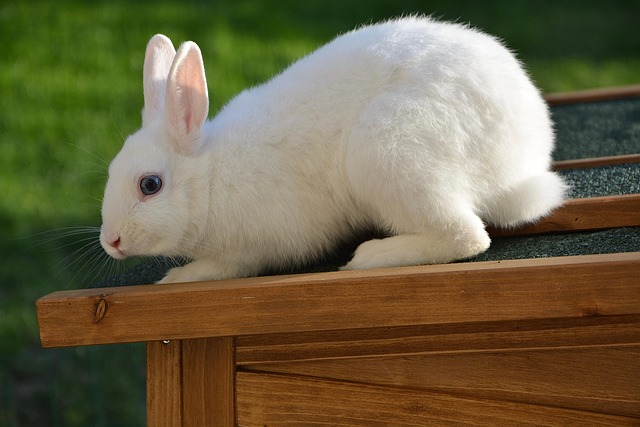
Rabbits are gentle, intelligent, and highly sensitive animals that rely heavily on proper care to stay healthy. One of the most common health concerns in rabbits involves the skin and coat, which often act as early warning systems for underlying problems. Skin diseases in rabbits can range from mild hair loss to serious infections that affect overall health if left untreated.
Understanding the causes, symptoms, and preventive measures associated with rabbit skin conditions is essential for every rabbit owner. This guide provides a comprehensive overview to help you recognize potential problems early and take appropriate action.
Why Skin Health Is Important in Rabbits
A rabbit’s skin performs several critical functions. It protects against bacteria and parasites, helps regulate body temperature, and supports sensory awareness. Healthy skin is typically smooth, clean, and covered with a dense, glossy coat.
Changes in the skin or fur—such as hair loss, redness, scabs, flaking, or swelling—are often signs that something is wrong. Because rabbits are prey animals and tend to hide illness, skin problems may be one of the first visible indicators of health issues.
Common Skin Diseases and Conditions in Rabbits
1. Hair Loss (Alopecia)
Hair loss in rabbits is relatively common and does not always indicate disease. Some normal causes include seasonal shedding and hormonal changes. However, abnormal hair loss may be caused by:
- Excessive grooming or fur pulling
- Stress or boredom
- Social dominance behavior (barbering)
- Poor nutrition
- Parasites or skin infections
Hair loss without redness or sores is often behavioral or hormonal, while hair loss with inflamed or scaly skin usually requires veterinary evaluation.
2. External Parasites
Fur Mites
Fur mites are microscopic parasites that live on the skin and fur. They can cause flaky skin, dandruff-like debris, uneven fur texture, and hair loss. Some rabbits experience itching, while others show no obvious discomfort.
Ear Mites
Ear mites affect the ear canals and commonly cause thick crusts, head shaking, and ear sensitivity. These infections can become painful if untreated.
Fleas
Although less common than in cats or dogs, rabbits can get fleas, especially if they live with other pets. Fleas may cause itching, skin irritation, scabs, and hair thinning.
Parasitic conditions are highly treatable when diagnosed early, but improper home treatment can be harmful. Professional guidance is strongly recommended.
3. Bacterial Skin Infections
Bacterial infections often occur when the skin is damaged, persistently damp, or weakened. Common contributing factors include urine scald, poor hygiene, obesity, and underlying medical conditions.
Symptoms may include:
- Red or inflamed skin
- Oozing sores
- Matted or discolored fur
- Unpleasant odor
These infections can worsen rapidly and may spread if not treated promptly.
4. Moist Dermatitis (Skin Inflammation from Moisture)
Moist dermatitis develops when the skin remains wet for extended periods. This often affects the hindquarters and chin area. Causes include drooling from dental issues, urine leakage, or damp living conditions.
Affected areas may appear raw, sore, or discolored, and secondary infections are common if moisture is not controlled.
5. Sore Hocks (Pododermatitis)
Sore hocks are painful lesions that develop on the bottoms of a rabbit’s feet, especially the back legs. They are commonly caused by:
- Hard or wire flooring
- Obesity
- Limited movement
- Thin fur on the feet
Early signs include redness and hair loss, while advanced cases may involve open wounds or infection.
6. Fungal Skin Infections
Fungal infections can cause circular patches of hair loss, scaling, or crusting skin. These conditions are generally manageable but may spread to other animals if not addressed.
Maintaining cleanliness and avoiding overcrowding can significantly reduce the risk of fungal issues.
7. Abscesses and Skin Lumps
Rabbits are prone to abscess formation due to their unique immune response. These may appear as firm swellings beneath the skin and can occur anywhere on the body.
Not all lumps are abscesses—some may be cysts, benign growths, or tumors. Any unexplained lump should be evaluated by a professional to determine the cause and appropriate treatment.
Preventing Skin Diseases in Rabbits
Prevention is one of the most effective ways to protect your rabbit’s skin health. Key preventive measures include:
- Keeping living areas clean, dry, and well-ventilated
- Providing soft, non-abrasive flooring
- Feeding a balanced, fiber-rich diet
- Regular grooming and health checks
- Managing weight and encouraging movement
- Monitoring for early signs of skin changes
Routine observation allows problems to be addressed before they become serious.
When to Seek Help
You should seek professional advice if your rabbit shows:
- Persistent hair loss
- Red, swollen, or scabby skin
- Signs of pain or discomfort
- Unusual lumps or sores
- Changes in grooming behavior
Early intervention significantly improves outcomes and reduces long-term complications.
Conclusion
Skin diseases in rabbits are common but often preventable and manageable with proper care. By understanding the different types of skin conditions, recognizing early warning signs, and maintaining good hygiene and nutrition, rabbit owners can ensure their pets live comfortable and healthy lives.
Regular monitoring and timely action are essential. Healthy skin is not just about appearance—it is a vital indicator of your rabbit’s overall wellbeing.
