

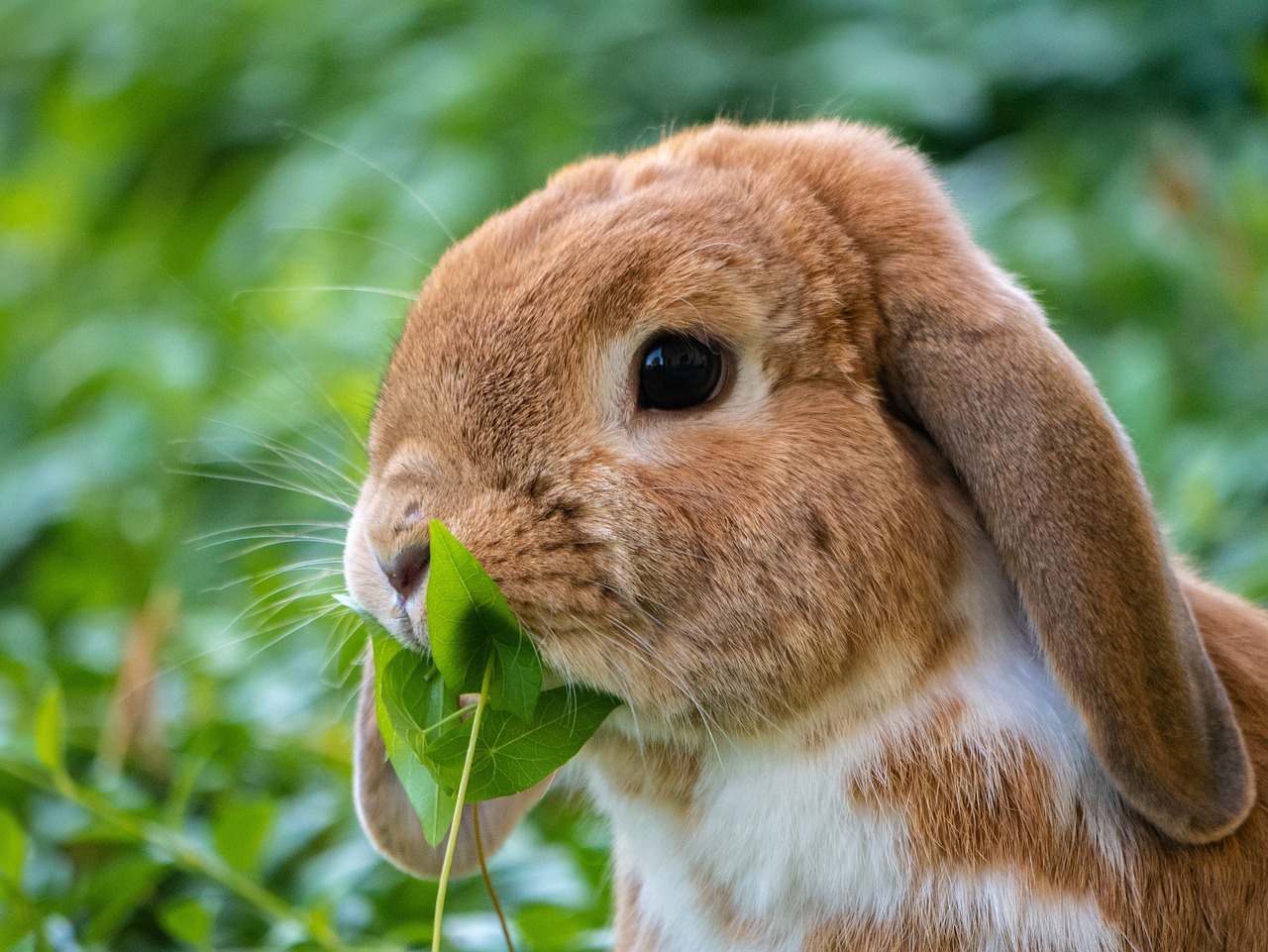
Maintaining a healthy body weight is one of the most important aspects of rabbit care. Rabbits are delicate animals with highly specialized digestive systems, and even small weight imbalances can quickly lead to serious health complications. Both overweight and underweight rabbits face increased risks that can significantly reduce their quality of life and lifespan.
This comprehensive guide explains how to identify weight problems in rabbits, understand the underlying causes, and implement safe, effective care strategies to restore and maintain optimal health.
Understanding a Healthy Rabbit Body Condition
A healthy rabbit should have a lean, streamlined body that allows free movement, grooming, and normal behavior. When gently handled, the ribs should be easily felt under a light layer of muscle but not visibly protruding. The spine should be smooth and well-covered, and the rabbit should be active, alert, and able to groom all areas of its body.
Weight issues often develop gradually and may go unnoticed until secondary health problems arise. Regular physical assessment and observation are essential for early detection.
Overweight Rabbits: Causes, Risks, and Management
What Defines an Overweight Rabbit?
An overweight rabbit carries excess fat that interferes with normal movement and bodily functions. Unlike dogs or cats, rabbits are not built to support extra weight, and obesity can rapidly trigger medical complications.
Common Signs of an Overweight Rabbit
-
Rounded or bulky body shape with little waist definition
-
Difficulty hopping, climbing, or standing upright
-
Inability to groom properly, especially around the hindquarters
-
Matted or soiled fur due to trapped urine or feces
-
Reduced activity levels and lethargy
-
Skin folds that trap moisture and bacteria
These issues are not merely cosmetic. They directly affect the rabbit’s hygiene, comfort, and overall health.
Health Risks Associated With Obesity
Overweight rabbits are at increased risk of:
-
Joint and spinal strain, leading to chronic pain
-
Heart and circulatory stress
-
Digestive slowdown and gastrointestinal stasis
-
Liver disorders related to fat accumulation
-
Urinary problems and infections
-
Skin infections caused by trapped moisture
Left unmanaged, obesity can shorten a rabbit’s lifespan and significantly reduce mobility and comfort.
Primary Causes of Weight Gain in Rabbits
The most common contributors include:
-
Diets too high in pellets, grains, or sugary treats
-
Limited access to exercise or confined living spaces
-
Excessive feeding without portion control
-
Age-related metabolism changes
-
Reduced activity due to pain or undiagnosed illness
In many cases, obesity results from well-intentioned overfeeding combined with insufficient movement.
Safe Weight Reduction for Overweight Rabbits
Weight loss in rabbits must be slow and carefully managed. Rapid weight loss can lead to life-threatening liver complications.
Dietary Adjustments
-
Unlimited access to high-quality grass hay should form the foundation of the diet
-
Pellets should be carefully measured and reduced gradually, never eliminated suddenly
-
Treats should be minimized or removed entirely
-
Fresh leafy vegetables can be offered in moderation as part of a balanced plan
Encouraging Physical Activity
-
Provide daily opportunities for free movement in a safe, enclosed area
-
Use tunnels, toys, and enrichment activities to stimulate natural behavior
-
Rearranging the environment can encourage exploration and movement
Veterinary Monitoring
A veterinarian experienced with rabbits should supervise any weight-loss plan to ensure nutritional needs are met and to identify underlying health concerns that may limit mobility.
Underweight Rabbits: Causes, Warning Signs, and Care
What Does It Mean When a Rabbit Is Underweight?
An underweight rabbit lacks sufficient muscle mass and fat reserves to support normal bodily functions. This condition is often more urgent than obesity, as rabbits cannot tolerate reduced food intake for extended periods.
Signs of an Underweight Rabbit
-
Prominent spine, hips, or ribs
-
Sunken abdomen or hollow appearance
-
Dull, brittle, or thinning fur
-
Low energy levels and weakness
-
Small, dry, or reduced droppings
-
Hunched posture or signs of discomfort
Any noticeable weight loss should be treated as a warning sign requiring prompt attention.
Common Causes of Weight Loss
Underweight rabbits often suffer from underlying medical or environmental issues, such as:
-
Dental problems that make chewing painful
-
Digestive disorders that reduce nutrient absorption
-
Chronic infections or systemic illness
-
Stress caused by environmental changes or dominance issues
-
Inadequate or imbalanced diet
-
Competition for food in multi-rabbit households
Because rabbits instinctively hide illness, weight loss is often one of the first visible signs of a serious problem.
Supporting an Underweight Rabbit
Veterinary Evaluation Is Essential
An underweight rabbit should be examined promptly to identify the root cause. Dental exams, physical assessments, and diagnostic tests may be required to determine whether pain, infection, or organ dysfunction is present.
Nutritional Support and Recovery
-
Ensure constant access to fresh hay and clean water
-
Provide a calm, stress-free feeding environment
-
Offer nutritionally balanced pellets as advised by a veterinarian
-
Monitor food intake closely to ensure the rabbit is eating consistently
In severe cases, assisted feeding with specialized recovery diets may be necessary until normal appetite returns.
Preventing Weight Problems in Rabbits
Prevention is always preferable to treatment. Long-term weight management depends on consistency and observation.
Best Practices for Maintaining Healthy Weight
-
Make hay the primary component of the diet
-
Measure pellet portions carefully
-
Limit treats and avoid sugary or starchy foods
-
Provide daily exercise and mental stimulation
-
Observe eating habits and droppings regularly
-
Schedule routine veterinary checkups
Small adjustments made early can prevent serious health issues later.
Final Thoughts
A rabbit’s weight is a direct reflection of its overall health and quality of care. Both overweight and underweight conditions can lead to severe medical problems if ignored. By understanding the signs, causes, and proper management strategies, rabbit owners can take proactive steps to ensure their pets live long, comfortable, and active lives.
Regular observation, proper nutrition, adequate exercise, and timely veterinary care are the foundation of responsible rabbit ownership. If a rabbit’s weight changes unexpectedly, prompt action can make the difference between a minor adjustment and a serious health emergency.
