

Rabbits are gentle, intelligent animals that require specialized care to stay healthy. While many veterinary clinics are well-equipped for cats and dogs, rabbit health needs are different. Their diet, digestion, dental structure, and response to medication all require a veterinarian who understands small herbivores.
This guide explains how to identify a rabbit-savvy veterinarian, what questions to ask, and how to build a long-term relationship with the right clinic.
Why Rabbits Need Specialized Veterinary Care
Rabbits are considered exotic companion animals in veterinary medicine. This means general practitioners may not see them frequently enough to build expertise in areas such as digestion, dental health, anesthesia, and safe medication options.
A rabbit-experienced veterinarian is more likely to:
• Recognize early signs of illness
• Avoid medications that are unsafe for rabbits
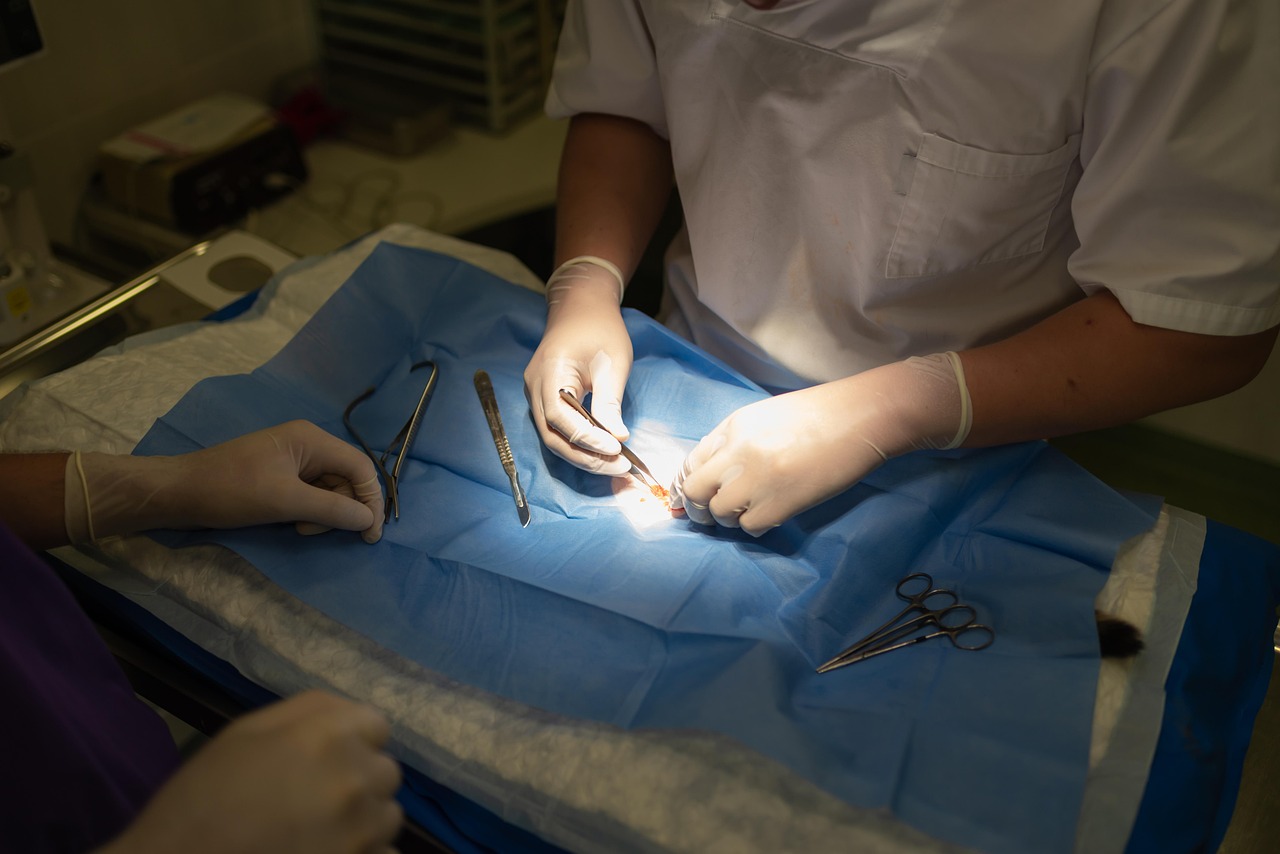
• Provide proper anesthesia protocols
• Manage common conditions such as digestive issues and dental overgrowth
• Advise on diet, housing, and preventive care
Choosing the right vet supports better long-term health and gives you confidence if an emergency occurs.
Start Your Search With Verified Resources
Rabbit-focused websites, rescue groups, and small-animal associations often maintain lists of recommended veterinarians. These directories can help you identify clinics in your region that routinely treat rabbits.
While these lists are a helpful starting point, it’s still important to evaluate the clinic yourself. The goal is to make sure the vet has real, hands-on experience with rabbits and stays informed about current best practices.
Ask Local Clinics for Referrals
If you cannot find a specialist through online directories, try contacting general veterinary clinics in your area. Ask them which doctor they refer rabbit patients to.
When multiple clinics mention the same name, it’s usually a sign that the veterinarian is trusted for rabbit-related cases.
CHECK ALSO: How to Litter-Train a Rabbit: A Complete Guide for New Rabbit Owners
Call the Clinic Before Booking an Appointment
Before scheduling a visit, contact the clinic to confirm whether they routinely treat rabbits. If possible, request a short call with the veterinarian or a trained staff member.
Here are effective questions that can help you assess their experience:
1. How often do you treat rabbits?
A clinic that regularly handles rabbit cases is more likely to stay familiar with their needs.
2. Do you perform rabbit spay and neuter surgeries?
Routine surgical experience is a strong indicator of confidence with anesthesia and rabbit physiology.
3. What medications do you commonly prescribe for common rabbit conditions?
This helps you understand whether they use rabbit-safe options.
4. Should rabbits fast before surgery?
Correct answer: No. Rabbits should not be fasted because they cannot vomit and need a functioning digestive system.
5. How do you recommend preventing digestive problems?
Their response gives you insight into their knowledge of diet, fiber needs, and gut health.
A knowledgeable professional should respond clearly and demonstrate familiarity with rabbit-specific care guidelines.
Avoid Choosing a Clinic Based Solely on Location
Quality rabbit care may require traveling a bit farther. A nearby clinic that rarely sees rabbits may not offer the level of support your pet needs. Many rabbit owners travel to ensure they receive knowledgeable care, especially for surgery or complex health issues.
Be Cautious With “Exotic” Labels
Some veterinarians describe themselves as exotic pet specialists but may focus mainly on reptiles or birds. Always verify how much of their exotic-pet practice involves rabbits. The goal is to work with someone who handles rabbits frequently and confidently.
Understand the Difference Between Companion and Livestock Care
Veterinarians who primarily treat farm animals or show rabbits may use approaches that differ from the needs of indoor companion rabbits. This does not mean they lack skill, but their focus may not align with household pet care, senior rabbit health, or long-term wellness.
Schedule a Wellness Visit Before an Emergency
Once you identify a promising clinic, book a routine check-up. This gives the veterinarian an opportunity to examine your rabbit, create a medical record, and advise you on preventive care.
Establishing this relationship early is important because rabbits often hide signs of illness. When a clinic already knows your rabbit, they can provide support more efficiently during urgent situations.
If No Local Rabbit Vet Is Available
You may still be able to access support through:
• Rabbit rescue organizations
• Online educational groups run by trained volunteers
• Clinics that offer remote consultations or vet-to-vet collaboration
These resources should never replace in-person examinations but can help guide you while you continue searching for a qualified veterinarian.
Final Thoughts
Finding a rabbit-savvy veterinarian is one of the most important steps in responsible rabbit care. Take time to research, ask questions, and observe how a clinic communicates. The right veterinarian will provide safe treatment options, reliable guidance, and support throughout your rabbit’s life.
