

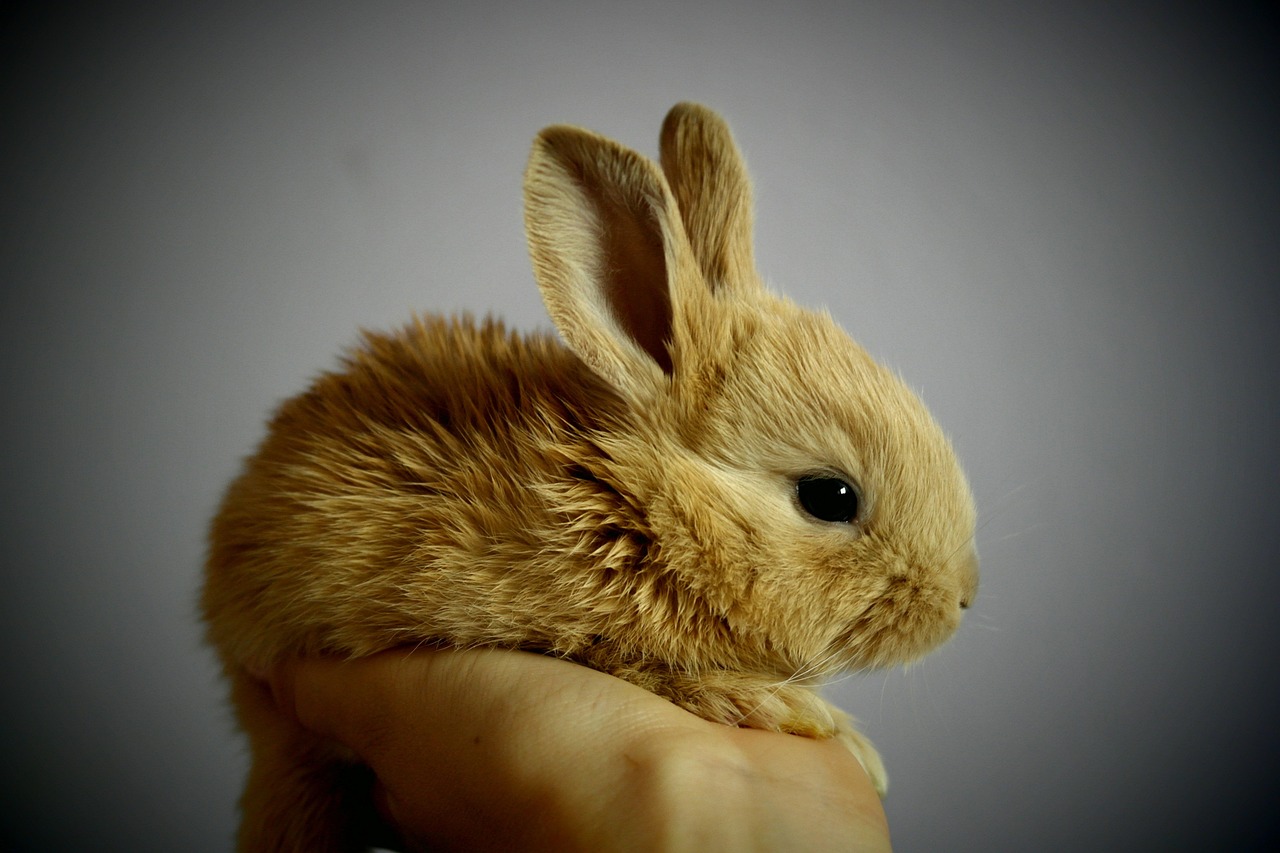
Rabbits are affectionate, intelligent, and gentle animals that make excellent companions when properly cared for. Despite their popularity as pets, rabbits are often misunderstood and treated like low-maintenance animals, which can lead to health and welfare problems. In reality, rabbits have specific dietary, housing, and medical needs that must be met to ensure they live long, comfortable, and happy lives.
This guide covers everything every rabbit owner should know — whether you are caring for a rabbit for the first time or looking to improve your current care routine.
Understanding Rabbit Behaviour and Needs
Rabbits are prey animals, which means they naturally hide signs of pain or illness. Because of this, health problems can progress quickly if not noticed early. Owners should observe their rabbits daily for changes in appetite, movement, posture, or behaviour. Early detection and preventive care play a major role in keeping rabbits healthy.
Rabbits are also social creatures that thrive on interaction, mental stimulation, and routine.
Proper Housing and Living Environment
A rabbit’s living space should allow freedom of movement and comfort. Small cages are unsuitable for long-term housing.
- Adequate space: Rabbits need enough room to hop, stretch out fully, and stand on their hind legs without restriction.
- Exercise area: In addition to their enclosure, rabbits should have daily access to a safe, enclosed space for exercise.
- Clean and dry bedding: Bedding should be absorbent, dust-free, and changed regularly to prevent respiratory issues and infections.
- Temperature control: Rabbits are sensitive to extreme heat and cold, so their environment should be well-ventilated and sheltered.
Providing the right housing helps prevent stress, obesity, and behavioural problems.
Feeding Your Rabbit the Right Diet
Diet is one of the most important factors in rabbit health.
- Hay and grass: These should make up the majority of a rabbit’s diet. Constant access to hay supports digestion and keeps teeth worn down naturally.
- Fresh vegetables: Leafy greens should be offered daily in appropriate portions. Introduce new vegetables gradually to avoid digestive upset.
- Pellets in moderation: High-quality pellets can supplement the diet but should not replace hay.
- Fresh water: Clean water must always be available, preferably in a heavy bowl to encourage natural drinking behaviour.
Avoid sugary foods, processed treats, and excessive fruit, as these can cause digestive problems.
CHECK ALSO: The Role of Fiber in a Healthy Rabbit Diet
Health Care and Veterinary Attention
Rabbits require regular veterinary care, even when they appear healthy.
- Routine health checks help identify hidden issues early.
- Vaccinations protect rabbits from serious and potentially fatal diseases.
- Neutering improves behaviour, prevents unwanted litters, and reduces health risks, especially in female rabbits.
- Parasite prevention and hygiene are essential to avoid conditions such as flystrike and skin infections.
Always seek a veterinarian experienced with rabbits, as their medical needs differ from other small animals.
Socialisation and Companionship
Rabbits are highly social and do best with companionship. Keeping bonded pairs can reduce loneliness and stress while encouraging natural behaviours such as grooming and play. If introducing rabbits, bonding should be done carefully and gradually to ensure compatibility.
Human interaction is also important. Gentle handling and regular engagement help build trust and confidence.
Exercise and Mental Stimulation
Daily exercise keeps rabbits physically fit and mentally healthy.
- Allow time outside the enclosure every day.
- Provide tunnels, chew toys, and puzzle feeders to prevent boredom.
- Encourage natural behaviours such as digging, chewing, and exploring.
A stimulated rabbit is less likely to develop destructive or anxious behaviours.
Safe Handling and Care
Rabbits should always be handled gently and correctly. Supporting the body and hind legs is essential to prevent injury. Loud noises, sudden movements, or improper lifting can cause stress or panic.
Teaching children and visitors how to interact safely with rabbits helps protect both the animal and the handler.
Final Thoughts
Rabbits are rewarding pets when given the care and attention they deserve. Providing proper housing, a balanced diet, regular veterinary care, and daily interaction ensures a high quality of life for your bunny. With the right knowledge and commitment, rabbits can live happy, healthy lives as valued members of the family.
