

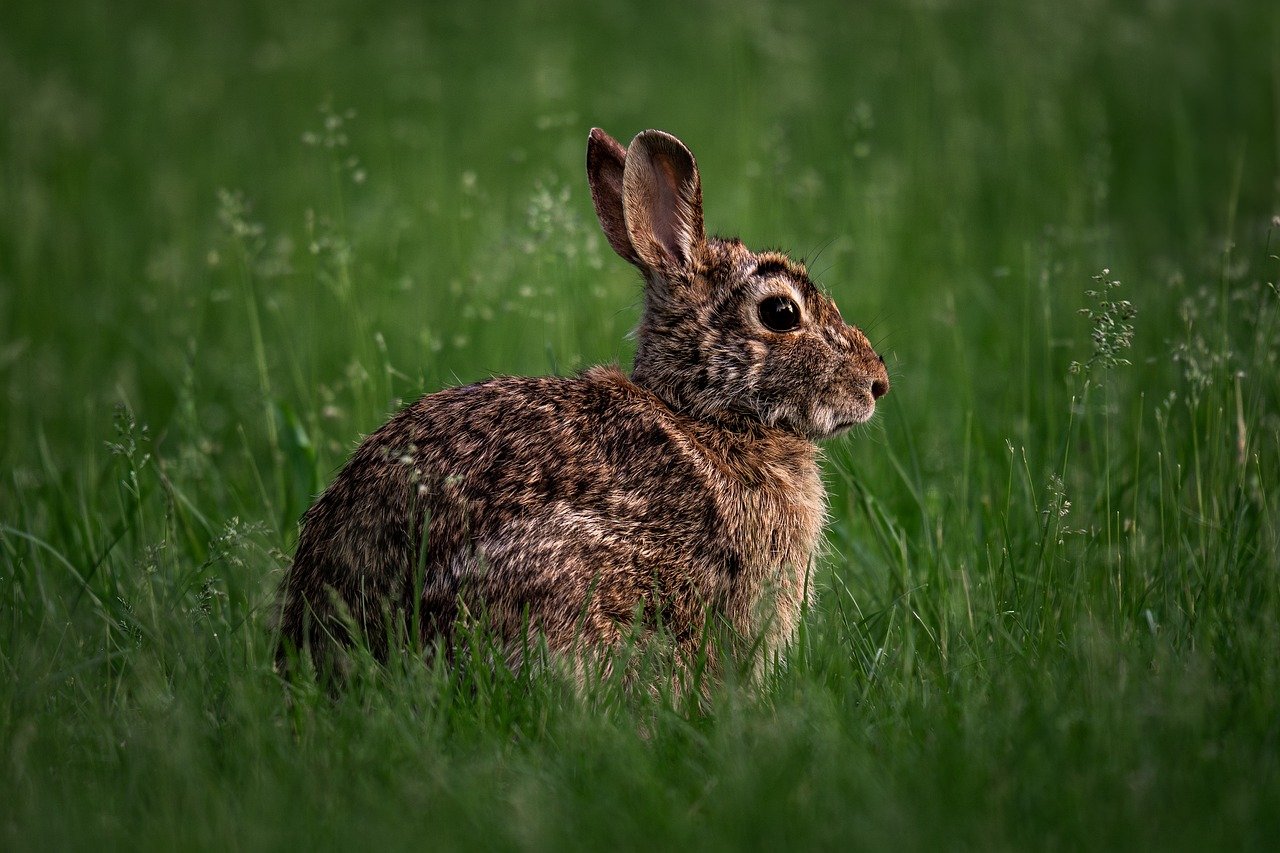
A healthy rabbit starts with a healthy diet. Rabbits have an extremely sensitive digestive system, and the quality of food they eat directly affects their overall wellbeing, energy levels, and even their lifespan.
Many new rabbit owners assume that a simple bowl of pellets or a few carrots are enough, but a rabbit’s nutritional needs are much more specific. Feeding your rabbit correctly every day becomes simple once you understand the foundational principles.
Below is a clear, detailed, and easy-to-follow guide to help you provide your rabbit with an optimal, fiber-rich diet.
Understanding the Basics of Rabbit Nutrition
Rabbits need a diet that is extremely high in fiber. Their digestive system is designed for food to move constantly, and this continuous movement can only happen when they consume a large amount of roughage.
Fiber is crucial because it prevents digestive blockages, supports healthy gut bacteria, and naturally wears down their teeth, which grow throughout their life.
The ideal daily diet is built around three main components: hay, fresh vegetables, and high-fiber pellets. Fruits and treats are optional and should only be offered occasionally.
Hay: The Unrestricted Foundation of Your Rabbit’s Diet
Hay is the foundation of every rabbit’s meal. It should make up about 80–90 percent of what they eat each day. A healthy adult rabbit must have access to fresh, good-quality hay at all times.
Choosing the Best Hay for Adult Rabbits
For healthy adult rabbits over seven months old, grass hays are the best options. Timothy, orchard, and oat hay are all excellent choices. They are rich in fiber but low in calories and sugar, making them ideal for maintaining a healthy weight and proper gut function.
Alfalfa Hay: When to Use It
Alfalfa hay is richer and higher in calcium and calories. It is not recommended as the main hay for healthy adult rabbits because it can cause weight gain and digestive issues. It is better suited for young rabbits, underweight rabbits, or those recovering from illness.
Dental Health Note: The grinding motion required to chew hay naturally wears down a rabbit’s continuously growing teeth, preventing painful dental overgrowth.
Fresh Vegetables and Leafy Greens
Fresh vegetables add essential vitamins and minerals to your rabbit’s diet, along with variety. Leafy greens should be offered daily as part of their regular feeding routine.
Portion Guidelines
Offer one to two cups of fresh vegetables for every four pounds of your rabbit’s body weight. This ensures they receive enough nutrients without overwhelming their digestive system.
The Importance of Variety
It is best to offer at least three different types of greens each day. Variety helps balance nutrients and keeps your rabbit interested in their meals.
| Give Daily | Give in Moderation |
| Romaine lettuce | Spinach |
| Cilantro, mint, parsley | Kale |
| Basil, dill | Carrot tops |
| Green pepper | Broccoli stems or leaves |
Important: Introduce new vegetables slowly. Start with a small amount and watch for digestive issues such as soft stool within 24 hours.
Pellets: A Supplement, Not a Main Course
Pellets should complement the diet, not replace hay. Overfeeding pellets is one of the leading causes of obesity in pet rabbits.
What to Look For in Rabbit Pellets
Choose plain, uniform, high-fiber pellets, preferably timothy-based. Avoid colorful mixes containing seeds, nuts, dried fruits, or other fillers, as these can be harmful and disrupt digestion.
Feeding Quantity
Healthy adult rabbits need only a small, measured portion of pellets each day. Stick to a consistent amount and follow your veterinarian’s recommendations.
Fruits and Treats: Occasional Rewards Only
Rabbits enjoy sweet foods, but their digestive system cannot handle large amounts of sugar. Fruits such as apples, bananas, and grapes should be given rarely and in very small amounts.
A few tiny pieces once or twice a week is enough to keep your rabbit happy without affecting their digestion.
Foods You Must Never Feed Your Rabbit
Avoid foods that are high in starch, fat, or sugar, as well as processed human foods. These can disrupt digestion and lead to serious health problems.
- Bread, crackers, cookies, cereal
- Pasta, rice, oatmeal
- Nuts and seeds
- Dairy-based treats such as yogurt drops
- Chocolate or candy
A Simple Daily Feeding Routine Example
A balanced daily routine for an adult rabbit may include:
- Unlimited hay: Always keep a fresh supply of grass hay available.
- Morning pellets: Provide a small, measured portion along with fresh water.
- Evening greens: Offer a mix of at least three varieties of leafy greens.
- Water: Ensure clean water is available at all times.
- Treats: Offer fruit or other treats occasionally, not daily.
Final Thoughts
Feeding your rabbit properly is simple once you understand the basics. Prioritize hay, add balanced vegetables, limit pellets, and use treats sparingly. With a consistent routine, your rabbit will enjoy a longer, healthier, and happier life.

1 Comment
Pingback: Is a Rabbit the Right Pet for You? Six Important Truths Every New Owner Should Know - SimpleTipsGH.com