

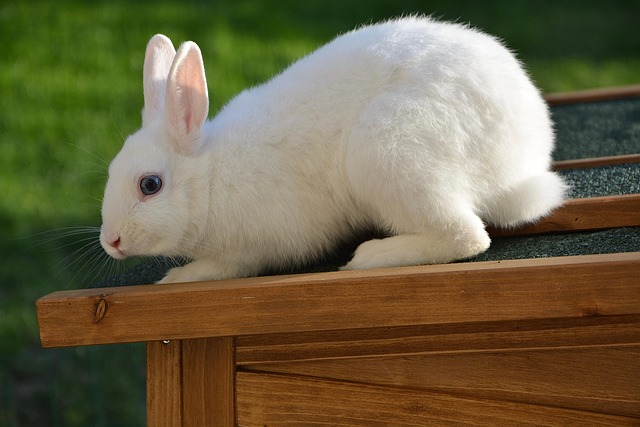
A rabbit’s coat can hide skin problems surprisingly well. By the time an owner notices bald patches, crusting, redness or an unusual smell, the problem may have been developing underneath the fur for some time.
Skin diseases in rabbits can have many causes. Parasites, fungal infections, bacteria, damp conditions, urine exposure, pressure on the feet and underlying health problems can all affect the skin and coat.
Some conditions are relatively mild when identified early, while others can become painful, spread to deeper tissues or even require urgent veterinary treatment.
This guide explains some of the most important skin diseases in rabbits, the warning signs to watch for, possible causes and how owners can reduce the risk of future problems.
What Does Healthy Rabbit Skin Look Like?
Healthy rabbit skin is generally clean and free from:
- Persistent redness
- Open wounds
- Heavy scaling
- Thick crusts
- Swelling
- Unusual discharge
- Strong unpleasant odour
The coat should normally cover most of the body evenly, although its thickness and appearance vary considerably by breed.
Rabbits also moult naturally, so finding loose fur does not automatically mean that the rabbit has a skin disease.
The important thing is to notice changes that are unusual for your rabbit.
Regular grooming gives you an opportunity to look beneath the coat and identify small problems early.
Signs of Skin Problems in Rabbits
Possible warning signs include:
- Unusual hair loss
- Bald patches
- Flaky or dandruff-like skin
- Redness
- Crusts or scabs
- Persistent scratching
- Repeated biting or licking of the skin
- Swelling
- Lumps
- Wet or irritated skin
- Sores on the feet
- Unpleasant smell
- Discharge from a wound
- Matted fur
- Fly eggs or maggots
Several different conditions can produce the same signs.
For example, a bald and flaky area could potentially be associated with mites, fungal disease or another skin problem.
That is why appearance alone should not be used to decide which medication a rabbit needs.
1. Hair Loss in Rabbits
Hair loss is known medically as alopecia.
Not every case of hair loss means that a rabbit is sick.
Rabbits naturally shed their coats, and moulting can sometimes make the fur look uneven.
Female rabbits may also pull fur from the chest or abdomen when preparing a nest during pregnancy or pseudopregnancy.
However, unexplained or persistent bald areas deserve attention.
Possible causes include:
- Mites
- Ringworm
- Excessive grooming
- Fur pulling by another rabbit
- Skin infection
- Irritation
- Poor ability to groom
- Hormonal or reproductive behaviour
- Other underlying health problems
Look closely at the exposed skin.
Hair loss accompanied by redness, heavy scaling, wounds, itching or crusting is more concerning than normal seasonal shedding.
If you cannot explain the hair loss or the skin looks abnormal, arrange a veterinary examination.
2. Fur Mites and “Walking Dandruff”
One important external parasite in rabbits is Cheyletiella, commonly associated with the term “walking dandruff.”
Affected rabbits may develop:
- Large flakes of skin
- Excessive dandruff
- Hair loss
- Mild to significant itching
- Changes in coat quality
Flaking is often noticeable along the back, shoulders or hindquarters.
Some rabbits can carry mites with relatively few signs, particularly early in an infestation.
Older rabbits, rabbits with dental problems, long-haired rabbits or rabbits unable to groom properly may be more likely to develop noticeable problems.
How Are Fur Mites Diagnosed?
A veterinarian may examine the coat and skin and use techniques such as skin scraping or microscopic examination to look for parasites.
Because other conditions can resemble a mite infestation, correct diagnosis is useful before treatment.
Some rabbit mites can also temporarily irritate human skin, making hygiene and environmental treatment important.
3. Ear Mites
Ear mites are another important parasitic condition.
The rabbit ear mite Psoroptes cuniculi can cause significant irritation inside the ears.
Possible signs include:
- Head shaking
- Scratching the ears
- Thick brown crusts
- Ear sensitivity
- Inflammation
- Head tilt in severe cases
One important warning: do not pull thick ear-mite crusts off yourself.
Veterinary guidance notes that removing these crusts from an awake rabbit can be extremely painful and may cause additional damage. The crusts generally loosen as appropriate treatment begins working.
Seek veterinary treatment rather than attempting to clean a heavily crusted ear at home.
4. Fleas in Rabbits
Rabbits can get fleas, particularly when they live with dogs or cats or have access to outdoor environments.
Possible signs include:
- Scratching
- Irritated skin
- Small scabs
- Hair thinning
- Fleas or flea dirt within the coat
However, flea treatment in rabbits requires care.
Do not automatically use a flea treatment intended for dogs or cats.
Some products that are suitable for other pets can be dangerous to rabbits.
In particular, veterinary references warn that fipronil-containing flea products should not be used on rabbits because of toxicity risk.
Ask a rabbit-experienced veterinarian which product is appropriate.
If other pets in the household also have fleas, they may need treatment as part of controlling the overall infestation.
5. Ringworm in Rabbits
Despite its name, ringworm is not caused by a worm.
It is a fungal infection of the skin, also known as dermatophytosis.
In rabbits, it may cause:
- Patchy hair loss
- Flaky skin
- Redness
- Crusts
- Circular or irregular skin lesions
Lesions often begin around the head and can spread to other areas.
However, ringworm cannot always be diagnosed simply by looking at the skin.
Other conditions, including mites, can produce similar appearances.
A veterinarian may use appropriate testing when fungal infection is suspected.
Can Rabbit Ringworm Spread to Humans?
Yes.
Ringworm in rabbits can be zoonotic, meaning it can spread between animals and people.
It can also spread through contaminated objects such as grooming equipment or other materials.
If ringworm is diagnosed, follow veterinary advice regarding treatment, cleaning and management of other animals.
Wash your hands after handling an affected rabbit and avoid sharing grooming tools between animals.
Anyone who develops suspicious skin lesions after exposure should seek appropriate medical advice.
6. Moist Dermatitis
Rabbit skin can become inflamed when it remains persistently wet.
This is sometimes known as moist dermatitis.
A common location is beneath the chin or dewlap.
Possible causes include:
- Persistent drooling
- Dental disease
- Drinking habits that continually wet the fur
- Damp bedding
- Poorly maintained housing
The affected skin may become:
- Red
- Sore
- Hairless
- Moist
- Infected
The important point is that simply drying the skin may not solve the underlying problem.
For example, if drooling is caused by dental disease, the dental problem also needs treatment.
Persistent wetness beneath the chin should therefore be investigated rather than treated only as a skin problem.
7. Urine Scald or Hutch Burn
Urine scald occurs when skin is repeatedly exposed to urine.
It commonly affects the area around the rear and genital region.
Possible signs include:
- Wet fur
- Hair loss
- Red or painful skin
- Crusting
- Bad smell
- Secondary infection
Dirty flooring can contribute, but urine scald is not always simply a hygiene problem.
A rabbit may remain wet because of an underlying condition such as:
- Urinary disease
- Bladder problems
- Arthritis
- Reduced mobility
- Obesity
- Difficulty grooming
Veterinary guidance notes that persistent urine exposure can progress to significant dermatitis and secondary infection.
If a rabbit repeatedly develops a wet bottom, investigate why rather than simply washing the rabbit more often.
8. Sore Hocks or Pododermatitis
“Sore hocks” is the common name for pododermatitis, an inflammatory condition affecting the underside of a rabbit’s feet.
Despite the name, the problem primarily involves the weight-bearing skin underneath the hind feet rather than simply the ankle joint.
Early signs may include:
- Thinning fur
- Redness
- Tender skin
More advanced disease can involve:
- Open sores
- Ulcers
- Swelling
- Infection
- Pain
- Reluctance to move
In severe cases, infection can extend into deeper tissues and even bone.
What Causes Sore Hocks?
Several factors can contribute, including:
- Hard flooring
- Wire flooring
- Wet or dirty surfaces
- Obesity
- Reduced mobility
- Repeated pressure
- Breed and coat characteristics
Some large breeds and rabbits with thinner protective fur on their feet may be more vulnerable.
Preventive care includes appropriate flooring, clean and dry housing, weight management and opportunities for normal movement.
Rabbits should have comfortable solid resting areas rather than being forced to remain permanently on exposed wire flooring.
9. Bacterial Skin Infections
Bacteria can infect rabbit skin, particularly when the normal protective barrier has been damaged.
Potential starting points include:
- Cuts
- Bite wounds
- Urine scald
- Sore hocks
- Moist dermatitis
- Scratching caused by parasites
Possible signs of infection include:
- Swelling
- Redness
- Discharge
- Heat
- Pain
- Bad smell
- Worsening wounds
A veterinarian may need to determine which organism is involved and whether antimicrobial treatment is required.
Do not use leftover antibiotics or human skin creams without veterinary advice.
Some medications that are routinely used in people, cats or dogs may not be appropriate for rabbits.
10. Abscesses and Lumps
Rabbits can develop abscesses beneath the skin.
An abscess is a pocket of infection containing pus.
Rabbit abscesses can be challenging because the pus is often unusually thick and the infection may be surrounded by a substantial capsule.
Simply puncturing or squeezing an abscess at home is not appropriate treatment.
Depending on its location and cause, veterinary management may involve surgery, cleaning of affected tissues, diagnostic testing and appropriate medication.
Facial or jaw abscesses can sometimes be connected to dental disease.
Importantly, not every lump is an abscess.
A swelling could potentially be:
- An abscess
- A cyst
- A tumour
- An inflammatory reaction
- Another type of mass
Any unexplained lump should be examined.
11. Flystrike and Skin Problems
Flystrike deserves special attention, particularly for outdoor rabbits and rabbits kept in warm climates.
Flies may lay eggs on dirty, wet or damaged fur. When the eggs hatch, maggots can rapidly cause severe tissue damage.
This is a veterinary emergency.
Risk can increase when a rabbit:
- Has urine scald
- Has diarrhoea or faeces stuck to the fur
- Cannot groom itself
- Is overweight
- Has mobility problems
- Lives in dirty housing
- Has an untreated wound
Rabbit owners should regularly check underneath the tail and around any wet or damaged skin.
If you see fly eggs or maggots on a rabbit, seek veterinary treatment immediately.
How Do Veterinarians Diagnose Rabbit Skin Disease?
The appearance of the skin provides useful clues, but it often does not provide a complete diagnosis.
Depending on the problem, a veterinarian may perform:
- Physical examination
- Skin scraping
- Microscopic examination
- Hair examination
- Fungal testing or culture
- Bacterial culture
- Examination of ear material
- Biopsy
- Other tests when an underlying disease is suspected
Many skin diseases can look alike, so a systematic veterinary assessment may be necessary.
Why You Should Avoid Random Home Treatments
One of the biggest mistakes rabbit owners can make is treating a skin problem based only on photographs found online.
For example, flaky skin could be associated with mites, fungal infection or another condition.
Using the wrong medication can delay proper treatment and, in some cases, harm the rabbit.
Avoid applying:
- Dog flea medication
- Cat flea medication without veterinary approval
- Human skin creams
- Essential oils
- Strong disinfectants
- Agricultural pesticides
- Random antifungal products
directly to a rabbit without appropriate professional guidance.
Rabbit skin and metabolism are different from those of humans, dogs and cats.
How to Prevent Skin Problems in Rabbits
Not every skin condition can be prevented, but good husbandry can substantially reduce several important risk factors.
Keep Housing Clean and Dry
Remove wet bedding and accumulated waste regularly.
Persistent dampness encourages skin irritation and creates poor conditions for rabbits.
Pay particular attention to toilet areas and spaces underneath drinking containers.
Provide Suitable Flooring
Give rabbits a comfortable, dry, solid surface where they can rest.
Avoid flooring that repeatedly damages or puts excessive pressure on the feet.
Maintain a Healthy Body Condition
Overweight rabbits may struggle to groom their rear properly and can place greater pressure on their feet.
Underweight or sick rabbits may also have poorer coat condition.
Monitor body weight and condition regularly.
Groom Regularly
Brushing gives you an opportunity to examine the skin beneath the coat.
This is particularly useful for:
- Long-haired breeds
- Older rabbits
- Rabbits with mobility problems
- Rabbits that are moulting heavily
Do not simply brush the surface of a long coat. Gently inspect underneath for matting, moisture or skin changes.
Check the Rear Every Day
The area underneath the tail should remain clean and dry.
A persistently dirty rear is not normal and may point to an underlying dietary, dental, urinary, mobility or weight problem.
Quarantine New Rabbits
Some skin conditions, including mites and ringworm, can spread between rabbits.
New rabbits should be observed carefully before being introduced into an established group.
This is especially important on rabbit farms or in homes with several animals.
Do Not Share Grooming Equipment During an Outbreak
Brushes, combs, carriers, bedding and other equipment can potentially help spread some infectious skin conditions.
Clean equipment appropriately and separate items used for affected rabbits where necessary.
Skin Health on Rabbit Farms
Skin problems can spread more easily where many rabbits are housed close together.
Rabbit farmers should monitor animals for:
- Hair loss
- Scaling
- Ear crusts
- Foot sores
- Abscesses
- Wet rear ends
- Wounds
Poor sanitation, overcrowding and failure to isolate affected animals can allow some conditions to spread.
Farmers should also avoid repeatedly treating entire groups of rabbits with pesticides or medication without identifying the cause.
Accurate diagnosis is safer and supports responsible medication use.
Rabbit Skin Care in Ghana and Other Tropical Climates
Warm and humid conditions can create additional skin-management challenges.
Rabbit keepers in Ghana and similar tropical environments should pay particular attention to:
- Damp housing during the rainy season
- Fly control
- Ventilation
- Urine accumulation
- Wet bedding
- Parasites
- Wounds
- Feed and housing hygiene
Outdoor rabbits should be checked regularly for flies and maggots, particularly when they have dirty fur, diarrhoea, wounds or urinary problems.
Good drainage and ventilation can help keep the rabbitry dry during periods of heavy rainfall.
Heat and humidity also make regular health checks particularly important.
When Should You Contact a Veterinarian?
Arrange veterinary assessment if your rabbit develops:
- Persistent or unexplained hair loss
- Heavy dandruff
- Severe itching
- Ear crusts
- Red or inflamed skin
- Persistent wetness
- Open wounds
- Foot sores
- Unexplained lumps
- Discharge
- Bad-smelling skin
- Pain
- Changes in appetite or behaviour associated with a skin problem
Seek urgent veterinary attention if you discover:
- Maggots
- A rapidly worsening wound
- Severe swelling
- Heavy bleeding
- Severe weakness
- A rabbit that stops eating
- Signs of serious pain or systemic illness
Skin disease can sometimes be part of a larger health problem.
Frequently Asked Questions
Why Is My Rabbit Losing Fur?
Hair loss can result from normal moulting, nesting behaviour, over-grooming, mites, fungal infection, barbering by another rabbit or other medical problems.
Persistent bald areas should be investigated if the cause is unclear.
What Does Walking Dandruff Look Like?
Cheyletiella mites can produce noticeable white flakes or dandruff within the coat, often along the back.
However, other skin diseases can also cause scaling, so veterinary confirmation is useful.
Can Rabbit Skin Disease Spread to Humans?
Some conditions can.
Ringworm is zoonotic, and certain mites can also cause temporary skin problems in people.
Good hygiene is particularly important when handling rabbits with suspected infectious skin disease.
Can I Use Dog Flea Treatment on My Rabbit?
Do not use a flea product simply because it is safe for a dog or cat.
Some products can be dangerous to rabbits. Fipronil-containing flea products in particular should not be used.
Ask a veterinarian for a rabbit-appropriate treatment.
Should I Remove Ear-Mite Crusts?
No.
Do not pull the crusts off an affected rabbit’s ears. This can be extremely painful.
Seek veterinary treatment and allow the damaged tissue to heal appropriately.
Are Sore Hocks Caused Only by Wire Floors?
No.
Wire or hard flooring can contribute, but obesity, poor mobility, damp or dirty flooring, repeated pressure and breed characteristics can also play a role.
Can I Treat a Rabbit Abscess at Home?
A rabbit abscess should be professionally assessed.
Because rabbit abscesses often contain thick material and may involve deeper tissues, simple home drainage is usually not an adequate treatment.
Final Thoughts
Skin diseases in rabbits can range from relatively minor irritation to painful infections requiring significant veterinary treatment.
Hair loss, flakes, redness and crusting may seem easy to identify, but several different conditions can look very similar.
That is why diagnosis matters.
Common problems include fur mites, ear mites, fleas, ringworm, moist dermatitis, urine scald, sore hocks, bacterial infections and abscesses.
Regular grooming and hands-on health checks help owners detect changes before they become severe.
Good housing also plays a major role. Keep the rabbit’s environment clean, dry and well ventilated, provide comfortable flooring and maintain an appropriate body condition.
Most importantly, avoid experimenting with medications designed for humans, cats or dogs.
If a rabbit develops persistent skin problems, severe itching, painful wounds, ear crusts, unusual lumps or other significant changes, seek advice from a rabbit-experienced veterinarian.
Early diagnosis gives you a much better chance of treating the real cause rather than simply covering up the symptoms.
Sources and Further Reading
For further rabbit skin-health information, readers can consult:
- MSD/Merck Veterinary Manual — Skin Disorders of Rabbits
- MSD Veterinary Manual — Parasitic Diseases of Rabbits
- MSD Veterinary Manual — Bacterial and Mycotic Diseases of Rabbits
- VCA Animal Hospitals — Rabbit diseases and external parasites
This article provides general educational information and does not replace veterinary examination, diagnosis or treatment.
