

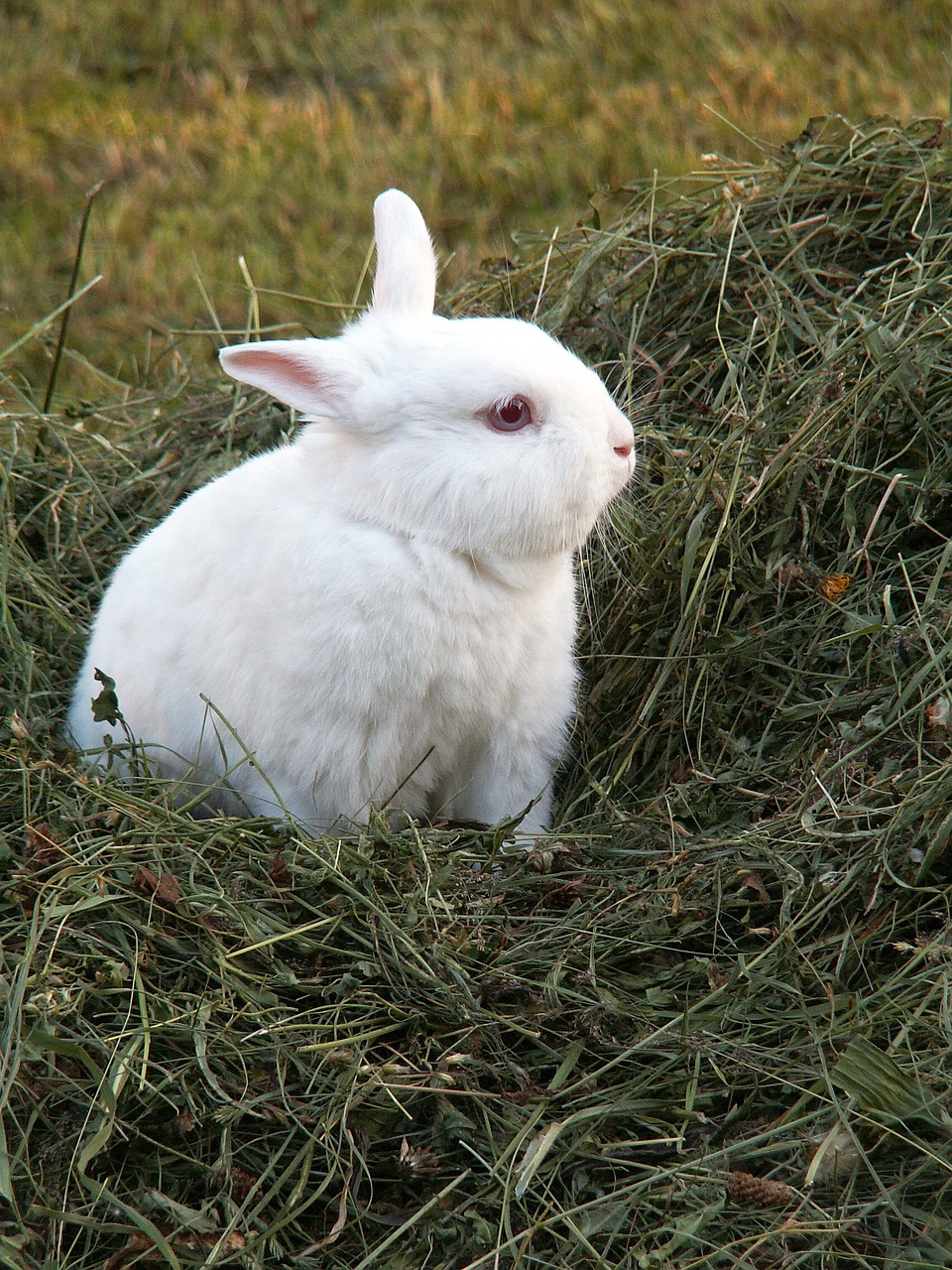
Giving your rabbit a treat can be a useful way to build trust, encourage natural foraging and reward positive behaviour.
However, treats should never replace the foods rabbits actually need for good health.
A rabbit’s digestive system is designed for a diet rich in fibre. For most healthy adult pet rabbits, good-quality hay and/or grass should form the main part of the diet and remain available throughout the day.
Leafy greens can also form part of the normal daily diet, while a measured amount of suitable rabbit pellets may be provided according to the rabbit’s individual needs.
Foods such as fruit and root vegetables are different. Because they can contain considerably more sugar, they are better offered in small amounts as occasional treats.
This guide explains which rabbit treats are better choices, which foods should be avoided, how treats can affect health and how to reward your rabbit without disturbing its normal diet.
What Should a Rabbit Normally Eat?
Before choosing treats, it helps to understand what a rabbit’s main diet should look like.
For most healthy adult pet rabbits, the foundation should include:
- Plenty of good-quality hay and/or grass
- Appropriate leafy greens and herbs
- A small measured amount of suitable rabbit pellets
- Continuous access to fresh drinking water
The exact feeding plan can vary according to:
- Age
- Weight
- Body condition
- Health
- Breed
- Activity
- Pregnancy or lactation
Growing, pregnant, nursing, underweight or medically affected rabbits may have different nutritional needs.
This is why general feeding advice should not replace individual veterinary guidance when a rabbit has a health problem.
Why Is Hay So Important?
Hay and grass provide the fibre rabbits need for normal digestive function.
Rabbits also spend long periods chewing fibrous plants, which supports the natural wear of their continuously growing teeth.
A rabbit that fills up on calorie-rich treats may begin eating less hay.
That is one of the main reasons treats should remain a small addition rather than becoming an important part of the diet.
If your rabbit consistently ignores hay in favour of pellets and treats, simply buying more exciting snacks is not the answer.
A rabbit that suddenly becomes reluctant to eat hay may also have dental disease or another health problem and should be assessed if the change persists.
Do Rabbits Need Treats?
No.
Rabbits do not require fruit, biscuits, commercial snack bars or other treats to remain healthy.
Treats are mainly useful for:
- Training
- Bonding
- Foraging activities
- Encouraging interaction
- Adding occasional variety
You can also reward a rabbit using foods that already form part of its normal diet.
For example, a favourite herb can work perfectly well as a reward.
A treat does not have to be sugary.
Are Leafy Greens Rabbit Treats?
Not necessarily.
One of the problems with many rabbit treat guides is that they describe all vegetables and herbs as treats.
Appropriate leafy greens can form part of a rabbit’s normal daily diet.
Examples may include:
- Romaine lettuce
- Coriander/cilantro
- Basil
- Mint
- Parsley
- Dandelion leaves
- Kale
- Broccoli leaves
- Other rabbit-safe leafy plants
Variety is useful, but unfamiliar greens should be introduced gradually.
Not every wild or garden plant is safe for rabbits, so make sure you can correctly identify any plant before feeding it.
Fruit Should Be an Occasional Treat
Fruit can be very appealing to rabbits because of its natural sugar.
That does not mean it should be given freely.
Small amounts of suitable fruit can be offered occasionally.
Examples include:
- Apple flesh
- Strawberry
- Blueberry
- Raspberry
- Pear
- Melon
- Mango
- Papaya
- Banana
The appropriate amount depends on the rabbit’s size, weight, existing diet and health.
Think of fruit as a small reward, not a bowl of food.
Do not allow fruit to replace hay or leafy greens.
Remove Apple Seeds
If giving apple, remove the seeds and core.
Apple flesh can be offered occasionally, but apple seeds should not be deliberately fed to rabbits.
What About Carrots?
Carrots are often associated with rabbits, but they should not make up a major part of the diet.
The root contains more sugar than leafy vegetables and is better offered in small amounts as an occasional treat.
Carrot tops may be used differently and can form part of an appropriate selection of leafy greens when clean and safe.
The idea that rabbits should eat whole carrots every day is largely a popular stereotype rather than good rabbit nutrition.
Healthier Ways to Reward a Rabbit
If you want to reward your rabbit frequently during training or bonding, using tiny portions of a normal healthy food is usually better than repeatedly giving fruit.
Possible rewards include:
- Fresh herbs
- Small pieces of approved leafy greens
- A few pellets taken from the rabbit’s normal daily ration
- Small amounts of dried rabbit-safe herbs
- Hay-based enrichment
This allows you to reward the rabbit without adding large amounts of extra sugar or calories.
Commercial Rabbit Treats: Read the Ingredients
A packet showing a rabbit on the front does not automatically mean the product is ideal.
Some commercial rabbit snacks contain ingredients that are unnecessary in a healthy adult rabbit’s diet.
Look carefully at products containing:
- Added sugar
- Honey
- Large quantities of cereals
- Seeds
- Nuts
- Colourful sweetened pieces
- Yogurt-style coatings
- Molasses-heavy mixtures
For most pet rabbits, simple foods are usually easier to evaluate.
Hay-based products without unnecessary sugary ingredients can be a better option when an additional commercial treat is wanted.
Rabbit Muesli Is Not Recommended
Muesli-style rabbit foods usually contain a mixture of flakes, grains, pellets, peas, seeds and other ingredients.
They are not recommended as the main diet for pet rabbits.
One problem is selective feeding.
A rabbit may choose the sweeter or more calorie-dense pieces and leave the more nutritious components behind.
This can contribute to an unbalanced diet and may reduce hay intake.
If your rabbit is currently eating muesli as its main food, do not abruptly remove it overnight.
Diet changes should be made gradually to reduce the risk of digestive problems.
Foods Rabbits Should Not Be Given as Treats
Some foods have no place in a rabbit’s normal diet.
Avoid giving rabbits human snack foods such as:
- Chocolate
- Sweets
- Cake
- Biscuits
- Crisps
- Sugary breakfast cereals
- Ice cream
- Dairy products
- Meat
Rabbits are herbivores and do not need meat or dairy foods.
Chocolate in particular is unsafe and should not be given.
Be Careful With Plants and Human Foods
It is misleading to say that every grain, seed or legume is automatically poisonous to rabbits.
The more useful rule is that foods outside a normal rabbit diet should not be offered casually simply because a rabbit is willing to eat them.
Some plants and foods are genuinely toxic or unsafe.
Examples of things that should not be intentionally fed include:
- Chocolate
- Rhubarb leaves
- Raw beans
- Apple seeds
- Toxic garden plants
- Green or sprouting parts of potatoes
Plant identification is particularly important when collecting forage.
Never feed an unknown leaf simply because it grows naturally nearby.
Can Rabbits Eat Avocado?
Avocado should not be used as a rabbit treat.
There are plenty of safer foods available, so there is no nutritional reason to experiment with avocado.
When there is uncertainty about a food, the safest approach is simple:
If in doubt, leave it out.
Why Too Many Treats Can Cause Problems
The biggest danger of treats is often not one tiny piece of fruit.
It is what repeated treats do to the overall diet.
A rabbit offered many calorie-rich foods may:
- Eat less hay
- Consume too many calories
- Gain excessive weight
- Become selective about food
- Develop an unbalanced diet
A low-fibre diet can also interfere with normal digestive function.
The goal is therefore not to create a list of foods that are either completely “good” or “bad.”
The goal is to keep the overall diet appropriate.
Treats and Overweight Rabbits
An overweight rabbit may need fruit and other calorie-rich treats reduced significantly or removed during a veterinary weight-management programme.
Do not assume that a tiny rabbit snack contains too few calories to matter.
Several small treats throughout the day can add up.
If you are training an overweight rabbit, use part of its normal measured pellet allowance or suitable greens as rewards instead of adding extra calories.
Our guide on overweight and underweight rabbits explains body-condition management in greater detail.
Treats and Dental Health
Rabbit teeth grow continuously.
Chewing hay and grass plays an important role in maintaining normal dental wear.
Sweet treats do not provide the same prolonged chewing activity.
The main dental concern with too many treats is therefore not simply that “sugar causes cavities” in the same way people commonly discuss human teeth.
A bigger concern is that calorie-rich foods can displace the hay and grass rabbits need to chew regularly.
This is another reason hay should remain the foundation of the diet.
Treats and Digestive Health
Rabbits have a specialised hindgut digestive system with a large population of microorganisms in the caecum.
Dietary fibre plays an important role in normal intestinal movement.
Very low-fibre diets and inappropriate dietary changes can contribute to digestive problems.
Suddenly introducing large quantities of unfamiliar food can also upset the digestive system.
For this reason, new foods should be introduced gradually.
If a rabbit develops a major appetite change, significantly fewer droppings, diarrhoea, severe lethargy or abdominal discomfort, stop experimenting with new foods and contact a rabbit-experienced veterinarian.
How to Introduce a New Rabbit Treat
Introduce unfamiliar food slowly.
Start with a very small amount.
Then observe:
- Appetite
- Droppings
- Activity
- General behaviour
If everything remains normal, you can continue offering the food occasionally where appropriate.
Do not introduce several unfamiliar foods at once.
If a problem develops, introducing foods one at a time makes it easier to identify which change may be responsible.
How Much Fruit Should a Rabbit Have?
There is no useful single percentage that applies perfectly to every rabbit.
Instead of saying that treats must make up exactly 5% or 10% of every rabbit’s diet, use the more practical rule:
Fruit and other sugary treats should remain occasional and small.
A tiny piece is generally enough for a reward.
The rabbit’s main daily food should remain hay or grass, appropriate greens and any measured pellets required for that individual.
If your rabbit is overweight, diabetic, recovering from digestive disease or has another medical condition, ask a veterinarian whether fruit should be offered at all.
Can Baby Rabbits Have Treats?
Young rabbits have different nutritional requirements from healthy adult rabbits.
Their diets also change as they grow and transition from milk and juvenile foods toward an adult feeding pattern.
Rather than using a universal rule such as “all rabbits under seven months must never have fruit,” it is better to keep a young rabbit’s diet simple and introduce new foods carefully according to its age, development and existing diet.
Avoid unnecessary sugary treats while a rabbit is young.
If you are unsure when to introduce greens or other foods, ask a rabbit-experienced veterinarian or reputable rabbit welfare source.
Use Treats for Training
Small rewards can be very useful for rabbit training.
A rabbit can learn to:
- Enter a carrier
- Come when called
- Return to its enclosure
- Stand in a particular location
- Cooperate with simple health checks
The reward does not need to be large.
In fact, tiny rewards are better when several repetitions are required.
You can break a small suitable food item into several pieces or use individual pellets from the normal daily allowance.
Use Food for Enrichment
Instead of placing every food item into a bowl, encourage natural foraging behaviour.
You can:
- Scatter some greens around the enclosure
- Hide herbs inside hay
- Place hay inside cardboard tubes
- Use safe forage boxes
- Scatter measured pellets
- Hang suitable leafy greens where rabbits can reach them safely
This gives the rabbit an activity as well as food.
Foraging can help make the environment more interesting and encourages natural behaviours.
Treats Should Not Replace Attention
Food is useful for bonding, but your relationship with your rabbit should not depend entirely on treats.
Spend time at the rabbit’s level.
Allow it to approach voluntarily.
Provide:
- Safe hiding places
- Exercise
- Enrichment
- Appropriate companionship
- Gentle interaction
- A predictable routine
A healthy relationship involves much more than handing over fruit every time the rabbit approaches.
Rabbit Treats in Ghana and Other African Countries
Rabbit owners in Ghana may have access to fruits, vegetables, herbs and plants that are different from foods commonly discussed in European or North American rabbit guides.
The same principle applies:
Do not assume a locally available plant is safe simply because other livestock eat it.
Correct plant identification matters.
Avoid collecting forage:
- Beside busy roads
- Where pesticides are used
- From chemically treated areas
- Where other animals frequently toilet
- From areas contaminated with waste
Wash suitable fresh foods properly before feeding.
SimpleTipsGH will continue expanding its information about locally available rabbit-safe foods in Ghana and other tropical environments.
Watch for Changes After Feeding
Whenever you introduce a new food, monitor your rabbit.
Contact a veterinarian if the rabbit develops significant symptoms such as:
- Refusing food
- Producing very few or no droppings
- Severe lethargy
- Persistent diarrhoea
- Signs of abdominal pain
- Severe weakness
Do not assume every digestive problem is simply caused by “too many treats.”
Dental disease, infection, pain, intestinal obstruction and other illnesses can also affect appetite and digestion.
A Simple Rabbit Treat Checklist
Before giving a treat, ask yourself:
- Is this food known to be safe for rabbits?
- Is it necessary?
- Is the portion small?
- Has my rabbit eaten it before?
- Could I use a healthier herb or part of the daily pellet ration instead?
- Is my rabbit at a healthy weight?
- Is the treat reducing hay consumption?
- Does my rabbit have any medical dietary restrictions?
If you are unsure whether a food is safe, do not feed it until you have checked a reliable source.
Frequently Asked Questions
What Is the Best Treat for a Rabbit?
There is no single best treat.
For frequent rewards, suitable herbs, leafy greens or a few pellets from the normal daily allowance can be better choices than sugary fruit.
Can Rabbits Eat Fruit Every Day?
Fruit is generally better treated as an occasional food because of its sugar content.
Small amounts may be appropriate for healthy rabbits, but it should never replace hay, grass or appropriate greens.
Are Carrots Healthy for Rabbits?
Carrot root contains natural sugar and should be offered in small amounts rather than as a main food.
Can Rabbits Eat Banana?
Small amounts of banana can be offered occasionally to a healthy rabbit, but it is sugary and should not be given freely.
Are Yogurt Drops Good for Rabbits?
They are unnecessary.
Rabbits do not need dairy-based or sugary commercial snacks. Healthier rewards are available.
Can I Give My Rabbit Human Biscuits?
No.
Biscuits, sweets, cakes and similar processed human foods are not appropriate rabbit treats.
Are Leafy Greens Treats?
Appropriate leafy greens and herbs can form part of a rabbit’s normal daily diet rather than being considered occasional treats.
Can I Give a Rabbit Apple?
Small amounts of apple flesh can be given occasionally.
Remove the seeds.
What If My Rabbit Stops Eating After Trying a New Food?
Loss of appetite in rabbits can become serious.
If your rabbit stops eating or produces very few or no droppings, contact a rabbit-experienced veterinarian promptly.
Final Thoughts
Rabbit treats can be useful for bonding, enrichment and training, but they should remain a small addition to a healthy diet.
The most important foods are not the exciting ones.
For most healthy adult pet rabbits, hay and/or grass should form the majority of the diet, supported by appropriate leafy greens, a measured amount of suitable pellets and continuous access to clean water.
Fruit, carrots and other sweeter foods should be occasional treats rather than daily staples.
Avoid assuming that every commercial product marketed for rabbits is healthy. Read ingredient lists and avoid allowing sugary snacks, muesli-style foods or processed human foods to replace proper rabbit nutrition.
You can also reward your rabbit without using fruit.
Fresh herbs, appropriate greens and small amounts of the rabbit’s normal pellet ration can work well for training and bonding.
The best treat is one that your rabbit enjoys without pushing the rest of its diet out of balance.
Sources and Further Reading
For additional rabbit nutrition guidance, readers can consult:
- RSPCA — A Healthy Diet for Your Pet Rabbit
- MSD Veterinary Manual — Nutrition of Rabbits
- Rabbit Welfare Association & Fund — Rabbit Feeding and Diet Guidance
This article provides general educational information and does not replace individual veterinary or nutritional advice.
