

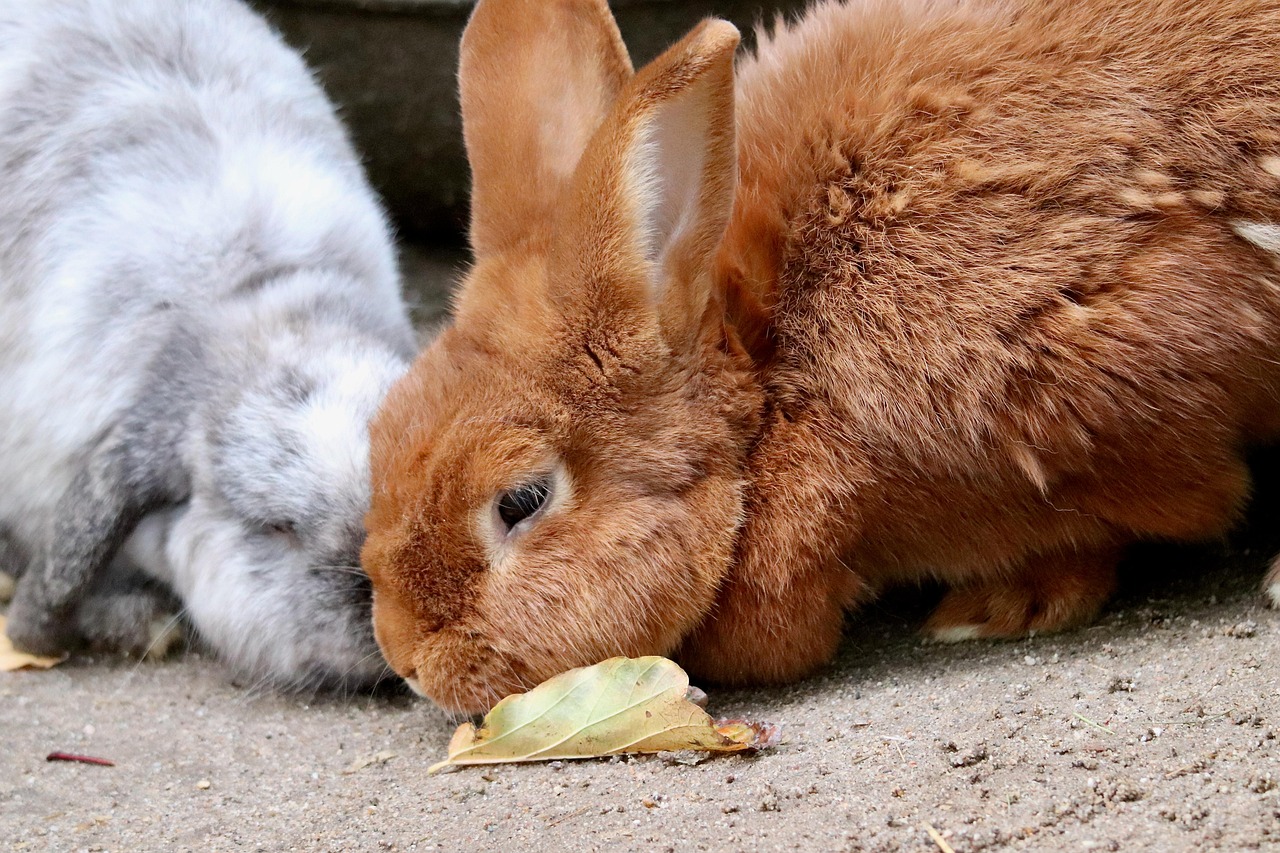
Socialising a rabbit is not about forcing it to enjoy being touched or picked up.
Good socialisation helps a rabbit feel safe around people, become comfortable with normal household routines and, where appropriate, develop a stable bond with another compatible rabbit.
Rabbits are social animals, but they are also prey animals. This combination means they often enjoy companionship while still being naturally cautious about unfamiliar people, sudden movements and being lifted from the ground.
Some rabbits become confident very quickly. Others may need much more time.
The goal is therefore not to rush your rabbit into becoming affectionate. It is to create safe and positive experiences that allow trust to develop naturally.
This guide explains how to socialize a rabbit with people, how to introduce rabbits to each other safely, which behaviours indicate that bonding is progressing well and when fear or aggression may require professional help.
What Does Socialising a Rabbit Mean?
Rabbit socialisation can describe two related but different processes.
The first is helping a rabbit become comfortable with humans.
This can involve getting used to your presence, voice, touch, normal household activity, grooming, health checks and necessary handling.
The second is rabbit-to-rabbit bonding.
This involves carefully introducing two unfamiliar rabbits so they can develop a stable social relationship and eventually live together safely.
Both require patience.
However, the methods are different, so they should not be treated as exactly the same process.
Why Is Socialisation Important?
Rabbits benefit from being able to interact safely with their environment and the individuals around them.
A rabbit that trusts its caregiver may be easier to:
- Observe
- Groom
- Move into a carrier
- Check for health problems
- Transport to a veterinarian
- Care for during everyday routines
Socialisation also allows the rabbit to interact without constantly feeling threatened.
For rabbits living together, a compatible companion provides opportunities for natural social behaviour such as resting together, eating near each other and mutual grooming.
Human companionship can also be valuable, but people should not automatically be considered a complete substitute for another compatible rabbit.
Rabbits Are Prey Animals
Understanding prey behaviour makes rabbit socialisation much easier.
A rabbit may naturally become nervous when:
- Someone reaches down from above
- It is chased
- It is cornered
- It is suddenly picked up
- Loud noises occur
- Unfamiliar animals appear nearby
- It cannot find somewhere to hide
This does not mean that the rabbit dislikes you.
It may simply be responding instinctively to something that feels threatening.
When possible, interact with rabbits at ground level rather than repeatedly lifting them.
Letting the rabbit control some of the interaction can make trust easier to establish.
Part One: Socialising Your Rabbit With People
Start by Letting the Rabbit Settle
A rabbit arriving in a new home is experiencing unfamiliar:
- Smells
- Sounds
- People
- Housing
- Feeding routines
- Objects
Do not expect immediate affection.
Give the rabbit access to food, water, appropriate hay, comfortable housing and secure hiding places.
Allow it time to explore its surroundings.
A rabbit that knows it has somewhere safe to retreat is often more confident about exploring.
Do not remove hiding places in an attempt to make a shy rabbit interact with you.
Spend Time at Floor Level
One of the simplest ways to build trust is to sit quietly near your rabbit.
Instead of repeatedly reaching for it, allow the rabbit to investigate you.
You might sit on the floor and read, use your phone or simply remain still.
The rabbit may initially ignore you.
Later, it may:
- Approach
- Sniff you
- Walk around you
- Place its front feet on you
- Sit nearby
These small interactions are useful.
You do not have to touch the rabbit every time it approaches.
Allowing it to investigate without immediately being grabbed teaches the rabbit that approaching you is safe.
Move Slowly and Speak Calmly
Fast movements can startle rabbits.
When approaching your rabbit:
- Move calmly
- Avoid suddenly reaching from above
- Speak quietly
- Allow the rabbit to see you coming
Try to make your everyday behaviour predictable.
A rabbit that understands your routine may become increasingly comfortable around you.
Let the Rabbit Approach First
A common mistake is believing that bonding requires constantly touching the rabbit.
Sometimes doing less works better.
Place your hand nearby and let the rabbit sniff it.
If the rabbit appears comfortable, try gently stroking the forehead or cheeks.
If it moves away, allow it to leave.
Do not immediately chase after it.
The rabbit learns that it has some control over social interaction, which can help build confidence.
Use Food Carefully to Build Positive Associations
Food can help with training and trust.
You can offer a small amount of an appropriate food when your rabbit approaches calmly.
However, socialisation should not become an excuse for feeding large quantities of fruit or commercial treats.
Suitable rewards might include:
- A favourite herb
- An appropriate leafy green
- A small portion of pellets taken from the rabbit’s normal daily allowance
Use tiny rewards, particularly when training repeatedly.
The rabbit should still consume an appropriate high-fibre diet based mainly on hay and/or grass.
Learn Where Your Rabbit Likes to Be Touched
Individual preferences vary.
Many rabbits enjoy gentle strokes around areas such as the:
- Forehead
- Cheeks
- Base of the ears
Some are less comfortable being touched around their feet, abdomen, rear or tail.
Observe your rabbit’s response.
A comfortable rabbit may remain in position, lower its head for more attention or show a relaxed posture.
If the rabbit repeatedly moves away, becomes tense or turns defensively, stop and give it space.
Avoid Picking Your Rabbit Up Unnecessarily
Many rabbits dislike being lifted even when they trust their owners.
For a prey animal, having all four feet suddenly leave the ground can feel unsafe.
This does not mean you should never pick up a rabbit.
Handling is sometimes necessary for:
- Veterinary visits
- Transport
- Emergencies
- Health checks
- Certain grooming tasks
But affection does not have to involve carrying the rabbit around.
Spend more social time with your rabbit at ground level.
When lifting is necessary, properly support the rabbit’s body and hindquarters.
Never lift a rabbit by its ears.
Never Punish a Frightened Rabbit
Do not punish rabbits for:
- Running away
- Hiding
- Thumping
- Growling
- Scratching
- Defensive behaviour
Shouting, hitting or frightening a rabbit does not teach it to trust you.
Instead, try to understand why the behaviour occurred.
Was the rabbit cornered?
Was it startled?
Did you reach into a territorial area?
Was it protecting food?
Could it be experiencing pain?
Finding the cause is more useful than punishment.
Use Positive Training
Rabbits can learn simple behaviours using positive reinforcement.
You can teach a rabbit to:
- Come when called
- Enter a carrier
- Return to its enclosure
- Approach a particular location
- Cooperate with simple routines
Reward the behaviour you want rather than punishing mistakes.
Carrier training can be especially useful because it can reduce stress when veterinary visits become necessary.
Part Two: Socialising and Bonding Two Rabbits
Human socialisation and rabbit bonding are different.
Introducing two unfamiliar rabbits requires careful planning because rabbits can be territorial.
Two rabbits should not simply be placed into the same enclosure and expected to become friends.
Fighting can cause serious injuries.
Make Sure Both Rabbits Are Healthy First
Before beginning introductions, both rabbits should ideally receive appropriate health assessment.
Introducing an unhealthy rabbit can create several problems.
Illness may affect behaviour, and some diseases or parasites can potentially spread between rabbits.
New rabbits may also require a quarantine period before being introduced to existing animals, particularly when their health history is uncertain.
Ask a rabbit-experienced veterinarian about appropriate health checks, parasite control and vaccinations available or recommended in your country.
Neutering Usually Makes Bonding Safer
For pet rabbits that are not intended for breeding, neutering is an important part of preparing compatible rabbits to live together.
Hormones can contribute to:
- Territorial behaviour
- Mounting
- Urine spraying
- Fighting
A commonly recommended combination is a neutered male and neutered female.
Both rabbits should have recovered properly from surgery before direct bonding begins.
Remember that a male rabbit can remain fertile for several weeks after neutering, so recently neutered males should not immediately be placed with an unspayed female.
Discuss timing with your veterinarian.
Start With Separate but Nearby Enclosures
A gradual introduction can begin with rabbits housed separately where they can become familiar with each other’s presence.
A secure barrier should prevent fighting while allowing safe visual and scent contact.
Each rabbit still needs its own:
- Food
- Water
- Hay
- Toilet area
- Hiding place
- Comfortable resting space
Most importantly, each rabbit should be able to move away and hide if it does not want to see the other rabbit.
Do not force them to remain face-to-face all day.
Introduce Scent Gradually
Once the rabbits appear reasonably comfortable around each other’s presence, scent exchange may help increase familiarity.
This may involve exchanging small amounts of nesting material or using another controlled method of transferring scent.
Watch both rabbits.
If scent swapping creates obvious distress or repeated territorial reactions, slow the process down.
Use Neutral Territory for Direct Introductions
The first direct meetings should take place somewhere neither rabbit considers established personal territory.
This is known as neutral territory.
Using one rabbit’s normal enclosure can immediately provoke territorial behaviour.
The introduction space should be:
- Secure
- Non-slip
- Free from dangerous objects
- Easy to supervise
- Free from places where one rabbit can trap another
Remain present throughout early sessions.
Do not leave unfamiliar rabbits together unsupervised.
What Does Successful Rabbit Bonding Look Like?
Positive behaviour can include rabbits:
- Resting near each other
- Eating comfortably near each other
- Grooming themselves normally
- Grooming each other
- Seeking each other’s company
- Lying together
- Behaving normally in each other’s presence
Sometimes simply ignoring each other calmly is a good early sign.
They do not have to immediately groom or cuddle.
Peaceful coexistence can be progress.
Is Mounting Normal During Rabbit Bonding?
Some mounting can occur while rabbits establish their social relationship.
It does not automatically mean bonding has failed.
However, interactions need supervision.
Persistent aggressive mounting, mounting directed at the other rabbit’s head, severe chasing or escalating conflict can create an injury risk and may require separation.
Do not allow aggressive behaviour to continue just because someone has told you that rabbits need to “fight it out.”
They do not.
When Should You Separate Rabbits?
Intervene if behaviour develops into dangerous or persistent aggression.
Concerning behaviour can include:
- Serious fighting
- Repeated aggressive chasing
- Biting
- Fur pulling that escalates
- One rabbit repeatedly trapping the other
- Aggressive head mounting
Protect yourself when separating fighting rabbits.
Do not place bare hands directly between animals engaged in a serious fight.
A towel or another safe barrier may help separate them while reducing your risk of being bitten.
If introductions repeatedly result in serious aggression, get advice from a veterinarian, rabbit rescue experienced in bonding or qualified animal behaviour professional.
Don’t Rush the Bonding Process
There is no universal number of days required to bond two rabbits.
Some compatible rabbits develop a relationship relatively quickly.
Others may require weeks or longer.
The process should be based on behaviour rather than a deadline.
Gradually increase supervised time together as interactions become consistently calm.
Do not move rabbits permanently into the same living space simply because they managed one peaceful meeting.
Not Every Pair Is Compatible
Sometimes two rabbits simply do not form a safe relationship despite careful introductions.
That does not mean either rabbit is bad.
Individual personalities matter.
If serious conflict continues after careful bonding attempts, professional advice may help determine whether the introduction method needs changing or whether another companion would be more suitable.
Never force two rabbits to permanently share an enclosure when one is continually frightened, injured or bullied.
After Rabbits Are Bonded
Successfully bonding two rabbits is not the end of social management.
Their shared living environment must support both animals.
Provide enough:
- Space
- Hay
- Food access
- Water
- Hiding places
- Toileting areas
- Resting areas
- Enrichment
One rabbit should not be able to control every important resource.
Each rabbit also needs the ability to move away and rest separately when desired.
Avoid Unnecessary Separation of Bonded Rabbits
Once rabbits have developed a stable bond, unnecessary separation can disrupt their relationship.
Where practical, bonded rabbits should remain together during normal routines.
This can even include veterinary travel when appropriate.
If one rabbit must be hospitalised or separated for medical reasons, ask the veterinarian how best to manage the pair and reintroduction afterwards.
Watch for Sudden Relationship Changes
A previously bonded pair suddenly fighting deserves attention.
Possible triggers can include:
- Illness
- Pain
- Changes in smell after veterinary treatment
- Environmental changes
- Hormonal influences
- Resource competition
If a normally peaceful rabbit suddenly becomes aggressive toward its companion, veterinary assessment can be useful because behaviour changes sometimes occur when an animal is unwell.
Can a Rabbit Live Alone?
Rabbit-welfare organisations generally recommend compatible rabbit companionship unless a veterinarian or qualified behaviour professional advises that an individual rabbit should be kept alone.
Human attention is still important, but humans cannot reproduce every form of rabbit-to-rabbit communication.
Bonded rabbits can:
- Groom each other
- Rest together
- Communicate through rabbit body language
- Eat together
- Seek reassurance from each other
If a rabbit genuinely must live alone for health or behavioural reasons, provide regular human interaction, enrichment and opportunities for natural behaviour.
Follow professional guidance for that individual rabbit.
Can Rabbits Socialize With Dogs and Cats?
Some rabbits may become accustomed to other household animals, but dogs and cats are predators from a rabbit’s natural perspective.
Even a friendly dog or cat can frighten or accidentally injure a rabbit.
A cat or dog should therefore not be considered a substitute for another compatible rabbit.
Introductions must be carefully supervised.
Never leave rabbits alone with dogs or cats simply because the animals have previously appeared friendly together.
Socialising a Rescue or Very Shy Rabbit
A rabbit with an unknown history may need additional patience.
Past rough handling, poor housing or limited contact with people can influence behaviour.
Start slowly.
Provide a predictable routine and allow the rabbit to observe you without pressure.
Use food and gentle interactions to build positive associations.
Progress may involve very small changes, such as the rabbit:
- Remaining outside its hiding place while you enter
- Eating while you are nearby
- Approaching your hand
- Allowing a brief stroke
Do not compare one rabbit’s progress with another’s.
Confidence develops at different rates.
What If My Rabbit Suddenly Becomes Aggressive?
A sudden behavioural change should not automatically be treated as a socialisation problem.
Pain and illness can change rabbit behaviour.
A normally calm rabbit may become defensive because of:
- Dental pain
- Arthritis
- Injury
- Digestive discomfort
- Skin disease
- Urinary problems
- Other illness
If aggression appears suddenly or is accompanied by changes in appetite, droppings, movement or general activity, arrange veterinary assessment.
Common Rabbit Socialisation Mistakes
Rabbit socialisation is more likely to succeed when owners avoid several common mistakes:
- Chasing rabbits to pick them up
- Forcing physical affection
- Removing all hiding places
- Punishing fear or defensive behaviour
- Introducing unfamiliar rabbits directly into one rabbit’s territory
- Leaving new rabbits together unsupervised
- Allowing severe fighting to continue
- Bonding intact rabbits without considering hormones and pregnancy
- Providing too few resources for a bonded pair
- Assuming a dog or cat replaces rabbit companionship
- Rushing the process because of an arbitrary timetable
Patience and observation are more useful than force.
Frequently Asked Questions
How Long Does It Take to Socialize a Rabbit?
There is no fixed timetable.
A rabbit may become comfortable with a person quickly or need weeks or longer.
Rabbit-to-rabbit bonding can also vary considerably depending on the animals.
Judge progress by behaviour rather than time.
How Do I Get My Rabbit to Trust Me?
Spend time at floor level, move calmly, allow the rabbit to approach voluntarily, provide positive experiences and avoid unnecessary grabbing or chasing.
Consistency is important.
Should I Pick Up My Rabbit to Bond With It?
Not necessarily.
Many rabbits prefer social interaction while keeping their feet on the ground.
Frequent lifting can make some rabbits more nervous rather than more affectionate.
Do Rabbits Need Another Rabbit?
Rabbits are highly social animals, and current welfare guidance generally recommends keeping them with at least one compatible rabbit unless professional advice indicates otherwise.
Should Rabbits Be Neutered Before Bonding?
For ordinary pet rabbits not intended for breeding, neutering is generally recommended before bonding because it reduces hormone-related territorial behaviour and prevents unintended pregnancy.
Allow appropriate recovery time after surgery and follow your veterinarian’s advice.
Can Two Male Rabbits Live Together?
Some neutered same-sex rabbits can live successfully together.
Compatibility matters, however, and introductions should still be carefully managed.
Can Two Female Rabbits Live Together?
Yes, some neutered female pairs form stable bonds.
Again, individual compatibility and proper introductions are important.
Is Chasing Normal During Bonding?
A small amount can occur during introductions, but persistent or aggressive chasing should not be allowed to escalate into fighting or injury.
How Do I Know When Rabbits Are Bonded?
Strong signs include consistently relaxed behaviour together, resting beside each other, eating normally near each other, seeking each other’s company and grooming.
The relationship should be stable rather than based on one successful meeting.
Can I Force Rabbits to Become Friends?
No.
You can create conditions that support successful introductions, but you cannot guarantee that two particular rabbits will become compatible.
Final Thoughts
Learning how to socialize a rabbit requires patience rather than force.
When building trust with people, allow the rabbit to approach at its own pace, interact at ground level, move calmly and use positive reinforcement.
Remember that a rabbit does not have to enjoy being picked up to have a strong relationship with its owner.
Rabbit-to-rabbit socialisation requires a different process.
Both rabbits should be healthy, introductions should be gradual, and direct meetings should take place in neutral territory under supervision.
Watch for positive behaviours such as relaxed resting, eating together and mutual grooming while preventing serious aggression from escalating.
Once a compatible pair has formed a stable bond, provide enough space and resources for both rabbits and avoid unnecessary separation.
Most importantly, respect individual behaviour.
Socialisation is not about turning every rabbit into an animal that enjoys constant touching.
It is about helping rabbits feel safe enough to interact naturally with people and compatible companions.
Sources and Further Reading
For further information about rabbit social behaviour and bonding, readers can consult:
- RSPCA — How to Introduce Rabbits to Each Other
- RSPCA — Rabbit Companionship and Handling
- Rabbit Welfare Association & Fund — Pairing Up Rabbits
- Rabbit Welfare Association & Fund — Rabbit Behaviour and Welfare
This guide provides general educational information. Seek advice from a rabbit-experienced veterinarian or qualified animal behaviour professional if rabbits show persistent aggression, severe fear or sudden behavioural changes.
