

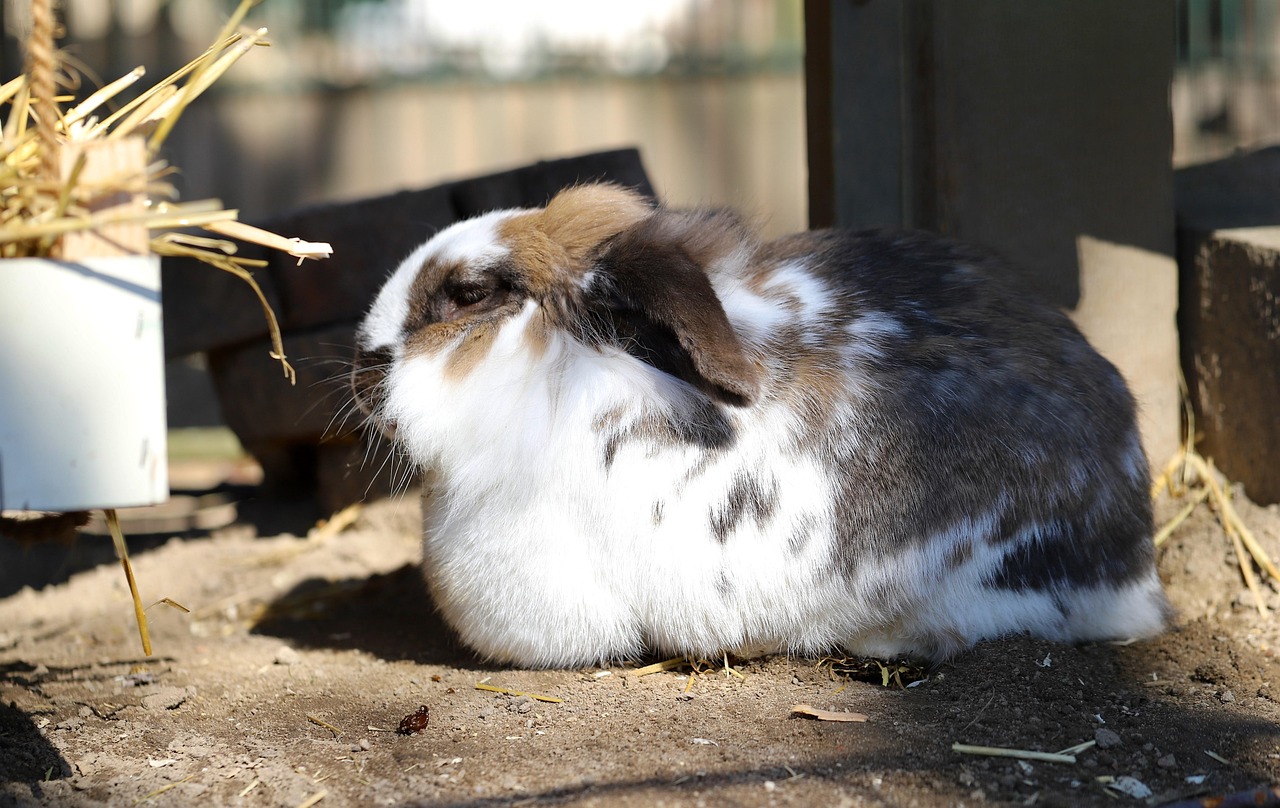
Fresh drinking water is one of the most important parts of rabbit care.
Rabbits need continuous access to water for normal digestion, circulation, kidney and urinary function, temperature regulation and many other processes within the body.
Although feeding often receives more attention, a rabbit without enough water can quickly become unwell.
Water requirements are not exactly the same for every rabbit. A rabbit eating large quantities of fresh grass and leafy vegetables may obtain more moisture from food and therefore drink less from its bowl than a rabbit eating mainly dry hay and pellets.
Weather also matters.
During hot conditions, particularly in Ghana and other tropical environments, rabbits may need to drink more to maintain hydration.
For this reason, owners should focus less on making a rabbit drink an exact number of millilitres and more on providing continuous access to fresh water while learning what is normal for the individual rabbit.
This guide explains how much water rabbits may drink, whether bowls or bottles are better, signs that drinking habits may have changed, and how to keep rabbits properly hydrated.
Why Do Rabbits Need Water?
Water is involved in almost every major body system.
For rabbits, adequate hydration is especially important because of their specialised digestive and urinary systems.
Water Supports Normal Digestion
Rabbits are hindgut fermenters with a digestive system designed to process large amounts of fibrous plant material.
Hay and other dry fibrous foods absorb water as they move through the digestive system.
Adequate hydration therefore supports normal gastrointestinal function.
A rabbit that becomes dehydrated may also reduce its food intake.
This can become particularly concerning because rabbits need regular food intake and intestinal movement.
A rabbit that stops eating or producing normal droppings should not simply be encouraged to drink and left at home.
The underlying cause needs investigation.
Water Supports Kidney and Urinary Health
Rabbits handle calcium differently from many other mammals.
Much of the excess calcium absorbed from their diet is excreted through the kidneys and appears in the urine.
This is one reason rabbit urine may sometimes leave a pale or chalky deposit after drying.
Adequate water intake helps maintain urine flow and supports normal urinary function.
However, water alone cannot prevent every urinary problem.
Diet, calcium intake, body weight, activity, genetics and disease can also affect urinary health.
If a rabbit strains to urinate, appears painful, passes obvious blood, repeatedly develops a wet bottom or produces unusually thick urine, veterinary assessment is appropriate.
Water Is Especially Important During Hot Weather
Rabbits are sensitive to excessive heat.
They do not cool themselves in the same way humans do, and their ears play an important role in releasing body heat.
Adequate water helps maintain normal hydration while the rabbit copes with environmental heat.
During hot weather, water containers need to be checked more frequently because:
- Rabbits may drink more
- Bowls may be tipped over
- Water may become warm
- Bottles may empty faster
- Algae can develop
- Water can become contaminated
For rabbit owners and farmers in Ghana, checking drinking systems several times during very hot days is a sensible routine.
Water is important, but it does not replace shade, ventilation and appropriate housing.
A rabbit trapped in an extremely hot enclosure can still develop heatstroke even when water is available.
How Much Water Does a Rabbit Drink?
There is no single amount that every rabbit must drink each day.
Veterinary references give approximate figures around 100–120 millilitres per kilogram of body weight per day under typical conditions, but actual intake can vary substantially.
For example, a 2 kg rabbit might consume somewhere around 200 mL or more in a day under some conditions.
That should not be treated as a strict daily target.
Water intake changes according to:
- Body size
- Temperature
- Humidity
- Diet
- Amount of fresh vegetation eaten
- Pregnancy
- Lactation
- Activity
- Health
- Individual behaviour
A rabbit eating fresh grass and leafy vegetables may drink considerably less water directly because those foods already contain moisture.
A rabbit eating mostly dry hay and pellets will generally obtain less water from food and may drink more.
Don’t Obsess Over an Exact Number
Knowing approximate intake can be useful, but your rabbit does not need to reach an exact daily drinking quota.
More useful questions are:
- Does fresh water remain available?
- Is the drinking system working?
- Has water consumption suddenly changed?
- Is the rabbit eating normally?
- Are normal droppings being produced?
- Is urination normal?
- Is the rabbit behaving normally?
A sudden change from an individual rabbit’s normal drinking pattern can sometimes be more important than the total volume itself.
Water Bowl or Water Bottle: Which Is Better?
Both systems can provide water, but research suggests that rabbits generally drink more naturally from an open bowl.
Studies comparing drinking systems have found rabbits often prefer bowl-style drinking and may consume more water from a bowl than from a sipper bottle.
For many pet rabbits, a large, heavy ceramic bowl is therefore an excellent primary water source.
Advantages of Water Bowls
A suitable water bowl allows the rabbit to drink in a natural position.
Other advantages include:
- Easy access
- Easier drinking
- Easy monitoring of water level
- Easy cleaning
- No mechanical valve that can become blocked
Choose a heavy bowl that the rabbit cannot easily overturn.
Place it somewhere stable and away from areas where large amounts of litter or waste will fall into it.
Disadvantages of Water Bowls
Bowls can become contaminated.
Rabbits may:
- Kick bedding into them
- Drop hay inside
- Step in them
- Tip lightweight bowls
- Soil them
For this reason, bowls need regular inspection.
Heavy ceramic bowls are generally better than lightweight containers.
Are Water Bottles Safe for Rabbits?
Drip-feed bottles can also provide water.
They can be useful because they reduce spilling and may keep some types of debris out of the water.
However, bottles introduce another problem:
The bottle may look full even when the rabbit cannot actually get water from it.
A ball-bearing valve can become:
- Blocked
- Stuck
- Dirty
- Damaged
Every bottle should therefore be checked regularly.
Touch the drinking mechanism and make sure water actually comes out.
Simply looking at the water level is not enough.
Should You Give a Rabbit Both a Bowl and a Bottle?
Providing both can be useful in some situations.
For example, if you are transitioning a rabbit that has always used a bottle to drinking from a bowl, offering both prevents an abrupt change.
A backup source can also provide protection if one container fails.
However, giving every rabbit two drinking systems is not a strict health requirement.
For many pet rabbits, a reliable heavy bowl that is cleaned and checked regularly works well.
The most important requirement is that the rabbit always has dependable access to clean water.
Water Systems for Rabbit Farms
A larger rabbitry needs a different approach from a single pet rabbit.
Checking dozens of individual bowls several times every day may become difficult.
Rabbit farms may therefore use nipple or automatic watering systems.
These systems can work, but they require regular inspection.
Farmers should check for:
- Blocked nipples
- Leaking lines
- Empty tanks
- Low water pressure
- Dirty storage containers
- Algae
- Damage from rodents
- Excessive heating of water pipes
Never assume an automatic system is functioning simply because the storage tank contains water.
Individual drinkers should be tested.
It is also wise to have a backup water plan in case of:
- Water-supply interruption
- Pump failure
- Electricity outage
- Broken pipes
- Empty storage tanks
This becomes particularly important during hot African weather.
How Often Should Rabbit Water Be Changed?
Fresh water should be provided every day.
RSPCA guidance recommends refreshing water and cleaning containers regularly, with water changed at least twice daily under its pet-rabbit guidance.
In practice, water may need refreshing more frequently when:
- The weather is hot
- The bowl becomes dirty
- Food falls into it
- Several rabbits share it
- Algae begins developing
Do not wait until the water looks obviously dirty.
How to Clean Rabbit Water Bowls
Wash bowls regularly using warm water and an appropriate cleaning method.
Remove:
- Food residue
- Slime
- Algae
- Mineral deposits
- Dirt
Rinse thoroughly before refilling.
During hot weather, pay particular attention to algae.
A green colour or slippery surface inside the container indicates that more thorough cleaning is needed.
Clean Water Bottles Too
Bottle systems also require cleaning.
The bottle itself and drinking nozzle can develop:
- Algae
- Biofilm
- Mineral deposits
- Food contamination
Use brushes or equipment suitable for reaching inside the container.
Rinse everything thoroughly.
Inspect bottle seals and drinking mechanisms while cleaning them.
Replace damaged equipment.
Where Should You Put the Water?
Place water somewhere:
- Easy for the rabbit to reach
- Stable
- Shaded
- Away from heavy contamination
- Protected from extreme weather
For outdoor rabbits, avoid leaving water containers where direct sunlight heats them for hours.
On hot days, shaded water generally remains more comfortable.
Can Rabbits Drink Cold Water?
Fresh, cool drinking water is appropriate.
There is no need to make the water extremely cold.
During hot weather, providing comfortably cool fresh water can help maintain intake.
A recent experimental study in heat-stressed rabbits also found benefits from access to cooler drinking water compared with hot ambient-temperature water, although farm-study results should not be treated as a universal prescription for every pet rabbit.
There is generally no need to fill a rabbit’s drinking bowl with ice cubes.
Fresh cool water and good environmental heat management are more important.
Can Rabbits Drink Tap Water?
In general, rabbits can drink water that is safe and suitable for human consumption.
The local water source matters.
If tap water is considered safe for people in your location, it is normally an appropriate starting point for rabbits.
For farms using:
- Borehole water
- Well water
- Tanks
- Stored rainwater
- Other untreated sources
water quality may require additional consideration.
Contaminated water can carry microorganisms or other substances that affect animal health.
Where water safety is uncertain, appropriate testing is preferable to guessing.
Can Rabbits Drink Mineral Water?
Ordinary safe drinking water is usually sufficient.
There is generally no need to buy specialised bottled mineral water for healthy rabbits.
Water with unusual mineral composition may not necessarily provide an advantage.
If a rabbit has urinary or kidney disease and your veterinarian is concerned about water composition, follow individual veterinary guidance.
Should You Add Vitamins to Rabbit Water?
Do not routinely add vitamins, supplements or medications to drinking water unless specifically instructed.
Adding substances can:
- Change the taste
- Reduce water consumption
- Make dose control difficult
- Contaminate the container
A rabbit refusing altered water can become dehydrated.
Medication placed in shared water is also difficult to dose accurately because individual rabbits may drink different amounts.
Use supplements or medication according to professional instructions.
Signs a Rabbit May Be Dehydrated
Possible signs associated with dehydration or inadequate fluid intake may include:
- Reduced appetite
- Lethargy
- Reduced activity
- Reduced urine output
- Small or reduced droppings
- Weakness
However, these signs are not specific to dehydration.
They can also occur with many illnesses.
This is important because owners should not diagnose dehydration solely from one symptom.
Is Dark Rabbit Urine a Sign of Dehydration?
Not necessarily.
Rabbit urine naturally varies considerably in colour.
It may appear:
- Yellow
- Orange
- Brownish
- Reddish
depending on diet, pigments and other factors.
Colour alone does not reliably tell you whether a rabbit is dehydrated.
More concerning urinary signs include:
- Straining
- Obvious discomfort
- Very little urine
- Blood
- Persistent wetness around the rear
- Thick or abnormal urine associated with symptoms
Contact a veterinarian when urinary changes are accompanied by pain, appetite changes or other illness.
What If My Rabbit Suddenly Stops Drinking?
First, make sure the water source actually works.
If using a bottle, test the nozzle.
If using a bowl, make sure it has not become contaminated or inaccessible.
Then observe the rabbit.
Is it:
- Eating normally?
- Producing normal droppings?
- Acting normally?
- Eating large amounts of fresh greens?
A rabbit consuming high-moisture foods may drink less directly.
However, sudden reduced drinking together with reduced appetite or illness is concerning.
Contact a rabbit-experienced veterinarian.
What If My Rabbit Suddenly Drinks Much More?
An unexplained increase in drinking can also deserve attention.
Changes in water consumption may be influenced by:
- Hot weather
- A change from fresh food to dry food
- Increased activity
- Diet changes
But excessive drinking and urination can sometimes occur with medical problems.
If your rabbit suddenly begins drinking much more than usual without an obvious environmental or dietary explanation, arrange veterinary assessment.
Recording water consumption for several days can provide useful information for your veterinarian.
Rabbits Eating Fresh Greens May Drink Less
A rabbit receives water from food as well as from the drinking bowl.
Fresh grass and leafy vegetables contain considerably more moisture than dry hay and pellets.
This means two equally healthy rabbits may drink different amounts from their bowls simply because their diets differ.
Never remove drinking water because a rabbit eats lots of fresh vegetation.
Fresh water should remain available at all times.
Hydration and GI Stasis
Dehydration and gastrointestinal disease can occur together.
A rabbit that stops eating may also become dehydrated, and poor hydration can complicate digestive problems.
However, giving water alone does not treat GI stasis or an intestinal obstruction.
If your rabbit:
- Stops eating
- Produces very few droppings
- Produces no droppings
- Becomes severely lethargic
- Develops obvious abdominal discomfort
seek veterinary attention promptly.
Do not assume that the problem can be solved simply by encouraging additional drinking.
Water During Hot African Weather
Water management deserves extra attention in Ghana and other tropical environments.
During hot periods:
- Check water several times daily
- Keep bowls shaded
- Test automatic drinkers
- Clean containers regularly
- Maintain backup water supplies
- Watch individual rabbits for reduced intake
- Keep rabbit housing properly ventilated
For large farms, a failure in the water system during a very hot afternoon can affect many rabbits at once.
Water infrastructure should therefore be considered part of the rabbitry’s essential equipment rather than an afterthought.
Our guide on how to keep rabbits cool in hot African weather covers tropical housing, ventilation and heat management in more detail.
Hydration for Pregnant and Nursing Rabbits
Pregnant and particularly lactating rabbits may have increased nutritional and water requirements.
A doe producing milk needs dependable access to water.
Do not allow drinking equipment to run dry.
Farmers should monitor both the water system and the doe’s general condition throughout lactation.
If a breeding rabbit suddenly stops drinking or eating, investigate promptly.
Multiple Rabbits Need Enough Drinking Access
When several rabbits live together, make sure all animals can reach water.
A dominant rabbit should not be able to prevent a companion from drinking.
Providing more than one water point can be useful in group housing.
Observe rabbits occasionally while they drink rather than assuming equal access.
Travelling With Rabbits
Water availability still matters during transport.
Plan for:
- Journey length
- Temperature
- Delays
- Suitable drinking equipment
- Safe stopping arrangements
Never leave rabbits inside a hot parked vehicle.
Heat stress can develop rapidly.
For longer journeys, ask a veterinarian about appropriate feeding and hydration arrangements.
Frequently Asked Questions
How Much Water Should a Rabbit Drink Every Day?
Veterinary references commonly give an approximate average around 100–120 mL per kilogram of body weight each day, but actual intake varies considerably with diet, weather, health and life stage.
Use the number as a reference rather than an exact requirement.
Do Rabbits Prefer Bowls or Bottles?
Studies indicate that rabbits often prefer open bowls and may drink more from them than from sipper bottles.
A large, heavy ceramic bowl is therefore a good option for many pet rabbits.
Can Rabbits Drink From Bottles?
Yes.
Water bottles can work, but they should be checked daily for blockages and other failures.
Should Rabbits Have Water All Day?
Yes.
Fresh, clean drinking water should be available continuously.
Why Is My Rabbit Drinking Less Water?
Possible explanations include eating more fresh vegetation, cooler weather or individual variation.
Sudden changes accompanied by reduced appetite, fewer droppings or illness should be investigated.
Why Is My Rabbit Drinking More Water?
Hot weather and dietary changes can increase drinking.
Persistent unexplained excessive thirst or urination deserves veterinary assessment.
Can Rabbits Drink Ice-Cold Water?
There is usually no need to provide extremely cold or ice-filled water.
Fresh, clean, comfortably cool water is sufficient.
Can Rabbits Drink Milk?
No.
After normal weaning, rabbits should not be given cow’s milk as a drink.
Their everyday drink should be clean water.
Can I Put Vitamins in Rabbit Water?
Only when specifically advised.
Adding supplements can change the taste of water and potentially reduce drinking.
Simple Rabbit Hydration Checklist
Every day, make sure:
- Fresh water is available
- The bowl has not tipped over
- Bottle valves work
- Water containers are clean
- Water is not sitting in direct sun
- Every rabbit can reach the water
- Drinking behaviour has not changed significantly
- The rabbit is eating and producing normal droppings
During hot weather, increase how frequently you check.
Final Thoughts
Providing enough water for rabbits is one of the simplest but most important parts of rabbit care.
Rabbits need continuous access to clean drinking water for normal digestive, urinary and overall body function.
There is no exact daily amount that applies to every rabbit.
Diet, body size, temperature, health and life stage can all influence how much a rabbit drinks.
For many pet rabbits, a large heavy ceramic bowl is an excellent option because it allows natural drinking, and research indicates rabbits may consume more water from bowls than from bottles.
Bottles can still be useful, but they need regular testing because blocked valves can prevent access even when the bottle appears full.
Most importantly, learn what is normal for your rabbit.
Sudden changes in drinking can sometimes provide an early warning that something is wrong.
If reduced drinking occurs together with loss of appetite, fewer droppings, weakness or another significant health change, contact a rabbit-experienced veterinarian rather than waiting for the rabbit to become obviously ill.
For rabbit owners and farmers in Ghana, water management deserves even closer attention during hot weather.
Reliable drinking water, proper shade and good ventilation all work together to help rabbits remain healthy in tropical conditions.
Sources and Further Reading
For additional information about rabbit water requirements and nutrition, readers can consult:
- MSD Veterinary Manual — Nutrition of Rabbits
- RSPCA — Healthy Diet for Pet Rabbits
- Rabbit Welfare Association & Fund — Rabbit Diet and Hot Weather Care
- Published veterinary research comparing rabbit drinking bowls and nipple drinkers
This article provides general educational information and does not replace veterinary diagnosis or individual nutritional advice.
