

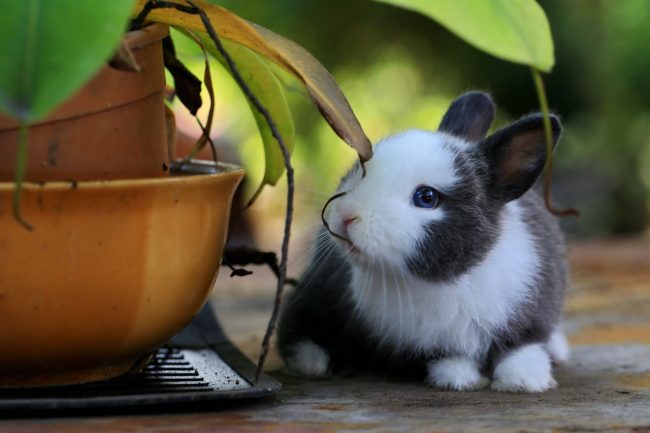
Rabbits can be enjoyable animals to watch, but they can also cause serious damage when they repeatedly enter a vegetable garden or landscaped yard.
Young vegetables, seedlings, flowers and the bark of young trees can all attract hungry rabbits.
The solution does not have to involve harming them.
In most situations, the best way to keep rabbits out of a garden is to physically prevent access, protect vulnerable plants and make the area less attractive as a feeding or hiding place.
This guide explains five humane and practical methods for reducing rabbit damage while keeping your plants protected.
First, Are These Your Pet Rabbits or Wild Rabbits?
This distinction matters.
If the rabbits damaging your garden are your own pets, do not rely on repellents.
Instead, provide a secure rabbit-proof exercise area where they can:
- Run
- Graze safely
- Dig
- Explore
- Rest
without gaining access to valuable plants or poisonous garden species.
A secure exercise pen or enclosed rabbit run is much more appropriate than trying to make your entire property smell unpleasant to your own rabbits.
If the problem involves wild or neighbouring rabbits, garden exclusion methods are more appropriate.
How to Tell Whether Rabbits Are Eating Your Plants
Before installing barriers, make sure rabbits are actually responsible.
Rabbit damage often occurs close to ground level.
Possible signs include:
- Young plants disappearing
- Seedlings cut off
- Leaves eaten
- Flower stems clipped
- Bark gnawed from young trees
- Rabbit droppings nearby
- Tracks or paths through vegetation
UC Integrated Pest Management notes that rabbits often leave stems and twigs with a characteristic clean diagonal cut caused by their incisors.
Other animals can produce similar damage, so identifying the cause before spending money on control measures is useful.
1. Install a Rabbit-Proof Fence
For most gardens, fencing is the best place to start.
Penn State and UC IPM both recommend physical exclusion as one of the most effective ways to prevent rabbit damage.
What Type of Fence Works?
Use small-mesh fencing such as:
- Poultry netting
- Chicken wire
- Hardware cloth
- Similar garden mesh
The openings should generally be 1 inch or smaller if young rabbits also need to be excluded.
Penn State notes that a fence about two feet high can exclude cottontails when the lower edge is secured, while UC IPM recommends taller fencing in situations where larger rabbits or jumping may be an issue.
A practical home-garden fence can therefore be roughly:
60–90 cm or more above ground, depending on the rabbit species and local conditions.
Prevent Rabbits From Digging Under the Fence
Do not protect only the top.
Rabbits may investigate gaps underneath.
UC IPM recommends burying the bottom of rabbit fencing approximately 6–10 inches and notes that turning the lower section outward can make digging underneath more difficult.
Another approach for lighter garden fencing is to keep the bottom tightly secured against the ground.
Check regularly for:
- Gaps
- Soil erosion
- Holes
- Bent wire
- Open gates
A fence is only effective if rabbits cannot find an easy entrance.
2. Protect Individual Plants and Young Trees
You may not need to fence the entire yard.
If rabbits target only a few valuable plants, protect those plants individually.
This is particularly useful for:
- Young fruit trees
- Seedlings
- Newly planted flowers
- Small vegetable beds
- Young shrubs
Use Mesh Around Young Plants
Small wire cages can be placed around vulnerable plants.
Make sure the rabbit cannot simply push its head through the openings and reach the plant.
Keep enough space between the plant and wire that leaves do not grow directly through the mesh.
Protect Young Tree Trunks
Rabbits sometimes gnaw bark from young trees.
Severe bark removal can seriously damage or even kill a tree if enough of the trunk is girdled.
Penn State recommends hardware-cloth cylinders around young trees, while University of Minnesota Extension similarly recommends mesh trunk guards that extend above the height rabbits can reach.
A tree guard should:
- Surround the trunk
- Leave some space between wire and bark
- Reach high enough to prevent access
- Remain secure at ground level
Do not wrap materials so tightly that they damage the growing trunk.
3. Make the Garden Less Attractive to Rabbits
Gardens often provide more than food.
They may also provide safe hiding places.
Rabbits can shelter around:
- Brush piles
- Dense weeds
- Debris
- Materials stored on the ground
- Spaces underneath sheds
UC IPM recommends reducing some of this protective cover when rabbit damage is persistent.
Consider removing or reducing:
- Unnecessary brush piles
- Heavy weeds beside the garden
- Piles of old branches
- Debris that provides hiding places
Where rabbits are sheltering underneath a raised shed or similar structure, secure mesh may help prevent access.
Don’t Remove Every Natural Habitat
Habitat management should still be sensible.
Gardens support many beneficial species.
You do not need to strip the entire yard bare.
Focus on hiding places immediately around the plants that rabbits are repeatedly damaging.
4. Use Rabbit-Resistant Plants as a Supporting Strategy
Some plants are less attractive to rabbits because of characteristics such as:
- Strong aroma
- Tough leaves
- Hairy foliage
- Prickles
- Certain flavours
However, there is an important warning:
There is no completely rabbit-proof plant.
Colorado State University Extension specifically warns that a hungry rabbit may eat plants normally described as rabbit-resistant, and feeding preferences can differ by location.
That means planting lavender or rosemary does not create an invisible rabbit barrier around the garden.
Plants Sometimes Described as Less Attractive
Depending on climate and local conditions, gardeners sometimes have better results with aromatic or tougher plants.
Examples may include:
- Lavender
- Rosemary
- Thyme
- Certain strongly scented herbs
- Some ornamental plants
But results vary.
Do not plant a valuable vegetable bed without fencing simply because herbs have been placed around it.
Be Careful With Toxic Plants
Never deliberately surround pet-rabbit areas with poisonous plants just because rabbits supposedly dislike them.
If you own rabbits, their outdoor areas should contain only plants you have identified as safe or plants that cannot be reached.
5. Use Repellents Only as a Secondary Method
Repellents can sometimes reduce rabbit browsing, but they are not as reliable as physical barriers.
UC IPM notes that certain commercial repellents can reduce damage, but they often require reapplication after:
- Rain
- Irrigation
- Heavy dew
- New plant growth
and their usefulness can be limited in vegetable gardens containing foods rabbits strongly prefer.
This makes them better as a supporting method rather than your main defence.
Choose Products Carefully
Use only a product:
- Labelled for rabbit control
- Suitable for the particular plant
- Legal for use in your area
- Appropriate for edible crops if spraying vegetables
Always follow the label.
Do not assume a repellent advertised for deer is automatically effective or safe for rabbits.
Colorado State Extension notes that many odour repellents are ineffective against rabbits and advises checking whether the product is actually labelled for rabbits.
What About Cayenne Pepper and Homemade Rabbit Sprays?
Many websites recommend mixtures containing:
- Cayenne pepper
- Garlic
- Chilli
- Dish soap
These may create an unpleasant taste or smell, and capsaicin-based repellents have sometimes been used against wildlife.
However, I would not make a homemade chilli spray the main recommendation.
There are several problems:
- Homemade concentration is inconsistent
- Sprays can damage sensitive plants
- Rain quickly reduces effectiveness
- They may irritate pets or people
- They may be inappropriate on foods you intend to eat
Physical fencing has much more predictable results.
If you want to use a repellent, a properly labelled commercial product is generally easier to use safely than guessing at homemade concentrations.
Don’t Use Mothballs to Repel Rabbits
Do not scatter mothballs around vegetable gardens or rabbit areas.
Mothballs are pesticides intended for specific enclosed uses according to their labels.
They are not general wildlife repellents and can present poisoning risks to:
- Pets
- Children
- Wildlife
Use physical barriers instead.
Avoid Poison and Dangerous Traps
For a normal home garden, there is rarely any need to use dangerous or inhumane control methods.
Fencing protects the plants without requiring the rabbit to be injured.
If your property has a severe wildlife problem that cannot be managed through exclusion, contact an appropriate wildlife-control or agricultural professional and check local laws.
Wildlife rules vary according to country and species.
What About Rabbit Repellent Plants Such as Marigolds?
Marigolds are frequently promoted online as natural rabbit repellents.
The problem is that rabbits may still eat them.
Colorado State Extension warns that no plant list is foolproof because feeding preferences vary and hungry rabbits may sample plants normally considered resistant.
So do not depend on marigolds, lavender or any other plant alone.
Think of resistant plants as an additional layer, not the fence itself.
Raised Garden Beds Can Help
Raised beds can make protection easier.
The height itself may discourage some rabbits, and mesh can be attached around the bed more easily than fencing an entire property.
For low beds, you may still need:
- Wire mesh
- Small gates
- Covers over young plants
A rabbit can reach higher than many gardeners expect when standing on its hind legs.
Protect Seedlings First
Young plants are particularly vulnerable.
A mature vegetable may survive minor nibbling.
A rabbit can destroy a new seedling in seconds.
Prioritise fencing or plant cages around:
- Newly transplanted vegetables
- Young flowers
- Tender shoots
Once plants are established, they may tolerate some browsing better, although valuable crops may still need protection.
What If Rabbits Are Digging Into the Garden?
Inspect the fence line.
Look for:
- Loose soil
- Spaces underneath
- Bent wire
- Erosion
- Gaps around gates
Secure the fence to the ground or bury the lower section.
UC IPM recommends burying the bottom approximately 6–10 inches for strong rabbit exclusion systems.
Bending the buried portion outward can make digging around the barrier more difficult.
What If Rabbits Keep Entering Through the Gate?
A strong fence with a badly fitted gate will not work.
Make sure:
- The gate closes completely
- There is no large gap underneath
- The lower portion has small mesh
- The gate remains closed when not in use
Rabbits are good at finding repeated access points.
Once you identify one, repair it promptly.
How to Keep Your Own Pet Rabbits Away From the Garden
If the problem involves your own rabbits, manage their exercise space instead of trying to frighten them away.
Create a secure outdoor run containing:
- Shade
- Water
- Hiding places
- Safe forage
- Space for running
- Digging opportunities
Supervise outdoor exercise where necessary.
Do not allow pet rabbits unrestricted access to a garden containing unidentified or poisonous plants.
Don’t Tether a Rabbit
Do not solve the problem by tying a rabbit to a rope or lead in the garden and leaving it unattended.
Rabbits can:
- Become entangled
- Panic
- Injure themselves
- Be attacked by predators
A secure enclosure is much safer.
Rabbit-Proofing a Vegetable Garden
For a vegetable garden, the most reliable approach is usually:
- Install small-mesh fencing.
- Secure or bury the lower edge.
- Keep the gate tightly closed.
- Protect particularly valuable seedlings individually.
- Remove nearby hiding places where practical.
- Use repellents only if additional protection is needed.
This creates several layers of protection without harming the rabbits.
Rabbit Damage to Trees and Shrubs
Young woody plants can be vulnerable to bark damage.
Look for:
- Gnawed bark
- Cut shoots
- Damaged lower branches
Install mesh guards before serious damage occurs.
Penn State notes that rabbits can seriously damage woody plants when substantial bark is removed.
Tree protection is usually much easier than trying to repair severe girdling later.
How to Keep Rabbits Out of Gardens in Ghana
Much rabbit-control advice online is written for temperate countries where snow affects fence height and seasonal feeding.
In Ghana, the basic principle remains the same:
physically prevent access.
For vegetable gardens and small farms, focus on:
- Secure wire fencing
- Closing ground-level gaps
- Protecting seedlings
- Removing nearby hiding places
- Inspecting boundaries regularly
Heavy rainfall can wash soil away from the bottom of fences, so check barriers after storms.
Vegetation also grows rapidly during the rainy season and can hide holes or damaged fence sections.
Protect Gardens From Domestic Rabbits Too
In areas where rabbits are being raised commercially, escaping farm rabbits can also damage crops.
Inspect rabbit housing for:
- Broken wire
- Loose doors
- Gaps
- Weak latches
It is better to prevent escape at the rabbitry than repeatedly remove rabbits from a garden.
Common Mistakes When Trying to Keep Rabbits Away
Avoid relying on:
- Repellent plants alone
- Homemade sprays alone
- A fence with large openings
- A fence with gaps underneath
- Leaving gates open
- Poison
- Mothballs
- Unlabelled pesticides
- Constant chasing
- Assuming one method works permanently without inspection
Rabbits will often return when food remains accessible.
Long-term protection requires maintaining the barrier.
Frequently Asked Questions
What Is the Best Way to Keep Rabbits Out of a Garden?
A properly installed physical fence is generally the most reliable long-term method.
UC IPM and Penn State both identify exclusion as a primary method for preventing rabbit damage.
How High Should a Rabbit Fence Be?
For many small rabbit species, around two feet may be sufficient, although taller barriers provide additional protection.
UC IPM recommends up to 48-inch wire in its more robust rabbit-exclusion design.
Local rabbit species should be considered.
How Small Should the Fence Holes Be?
Mesh openings of approximately 1 inch or smaller help prevent young rabbits from passing through.
Should Rabbit Fencing Be Buried?
Burying or firmly securing the lower edge helps prevent rabbits from getting underneath.
UC IPM recommends burial of approximately 6–10 inches for strong exclusion.
Do Marigolds Keep Rabbits Away?
Not reliably.
Individual rabbit preferences differ, and even plants described as rabbit-resistant may be eaten.
Does Garlic Keep Rabbits Out of Gardens?
Strong smells may have temporary repellent effects in some circumstances, but they should not be relied upon instead of fencing.
Does Cayenne Pepper Repel Rabbits?
Capsaicin-based repellents may discourage browsing, but effectiveness is temporary and product use should follow label instructions.
Physical exclusion is more dependable.
Do Rabbits Eat Rosemary and Lavender?
They may be less attractive than some tender vegetables, but no plant is completely rabbit-proof.
Hungry rabbits may sample supposedly resistant plants.
How Do I Stop Rabbits From Eating Young Trees?
Use a wire mesh cylinder or suitable tree guard around the trunk.
Keep enough distance between the guard and bark that rabbits cannot chew through the openings.
Should I Trap Rabbits in My Yard?
For ordinary gardens, fencing and plant protection should usually be tried first.
If wildlife removal is genuinely necessary, check local laws and seek qualified wildlife-control advice rather than relocating animals without understanding the legal and welfare implications.
Final Thoughts
Learning how to keep rabbits out of your garden does not require harming them.
The most effective strategy is usually physical exclusion.
Start with:
- A secure small-mesh fence
- Individual plant and tree protection
- Fewer hiding places near valuable plants
- Rabbit-resistant plants as additional protection
- Properly labelled repellents only when needed
Do not depend on marigolds, garlic or homemade pepper sprays as your main defence.
They may provide temporary deterrence, but rabbit feeding preferences vary and repellents can lose effectiveness after rain or as plants produce new growth.
If the rabbits belong to you, create a secure rabbit exercise area rather than trying to repel your pets from their own environment.
A good garden-protection system should protect your plants while allowing rabbits to remain unharmed outside the areas where you do not want them.
Sources and Further Reading
- UC Statewide Integrated Pest Management Program — Rabbits in Home Landscapes
- Penn State Extension — Cottontail Rabbits
- Colorado State University Extension — Rabbit-Resistant Plants
- University of Minnesota Extension — Protecting Trees and Shrubs
This article focuses on humane garden protection. Wildlife-control laws and permitted methods vary by location, so seek local professional guidance before trapping, relocating or otherwise removing wild rabbits.
